靠
kào
to be next to; to lean against
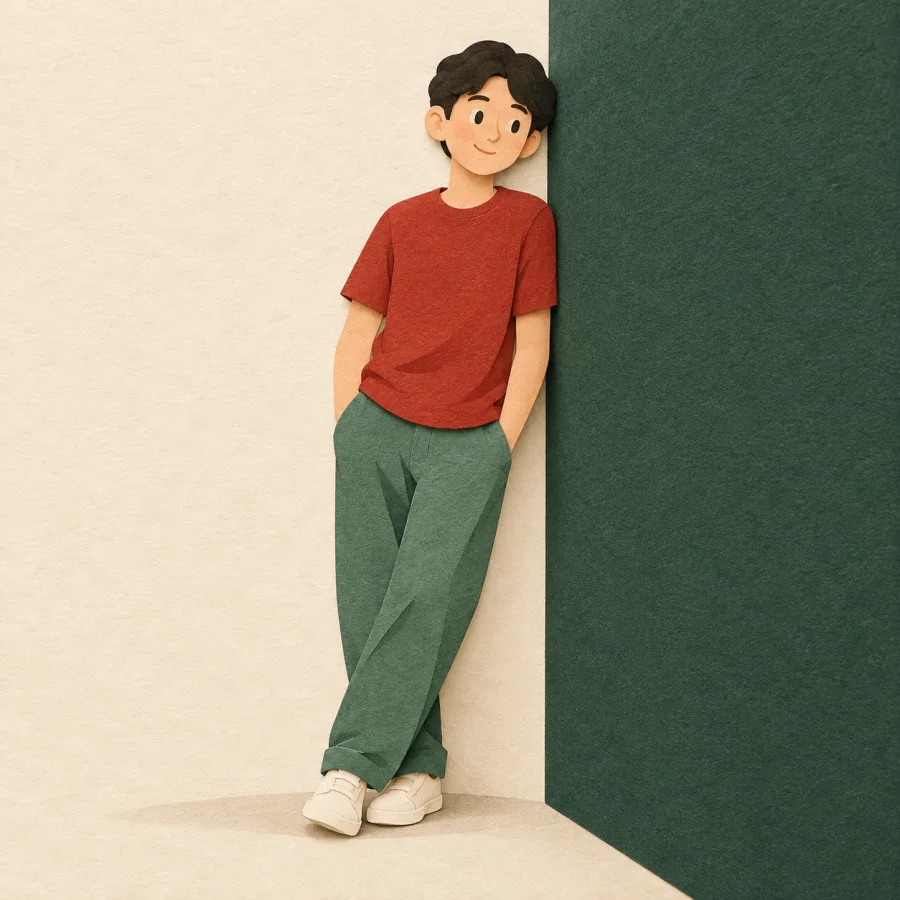
Character
Example phrases
- 我靠窗坐。 Wǒ kào chuāng zuò. I sit by the window.
- 他靠门站。 Tā kào mén zhàn. He stands by the door.
- 别靠太近。 Bié kào tài jìn. Do not get too close.
- 你可以靠着椅子睡。 Nǐ kěyǐ kàozhe yǐzi shuì. You can doze off leaning against the chair.
- 老人靠墙慢慢走。 Lǎorén kào qiáng mànman zǒu. The old man walks slowly, keeping close to the wall.
- 书靠在墙上。 Shū kào zài qiáng shàng. The book is leaning against the wall.
- 别靠在门上,门要关了。 Bié kào zài mén shàng, mén yào guān le. Don't lean against the door; it's about to be closed.
- 我家靠着一个大公园。 Wǒ jiā kàozhe yí gè dà gōngyuán. My home is right next to a big park.
- 椅子靠桌子放着。 Yǐzi kào zhuōzi fàngzhe. The chair is placed next to the table.
- 他靠着桌子睡觉。 Tā kàozhe zhuōzi shuìjiào. He sleeps leaning against the desk.