Skip to content
包
Baozi
HSK Cards
HSK words
Characters
Tools
EN
Español
Português
Deutsch
Français
Bahasa Indonesia
Türkçe
ไทย
Learn in your browser
Home
HSK 3
Adverbs and nuance
前后
qiánhòu
front and back
HSK 3 · Topic “Adverbs and nuance”
Listen
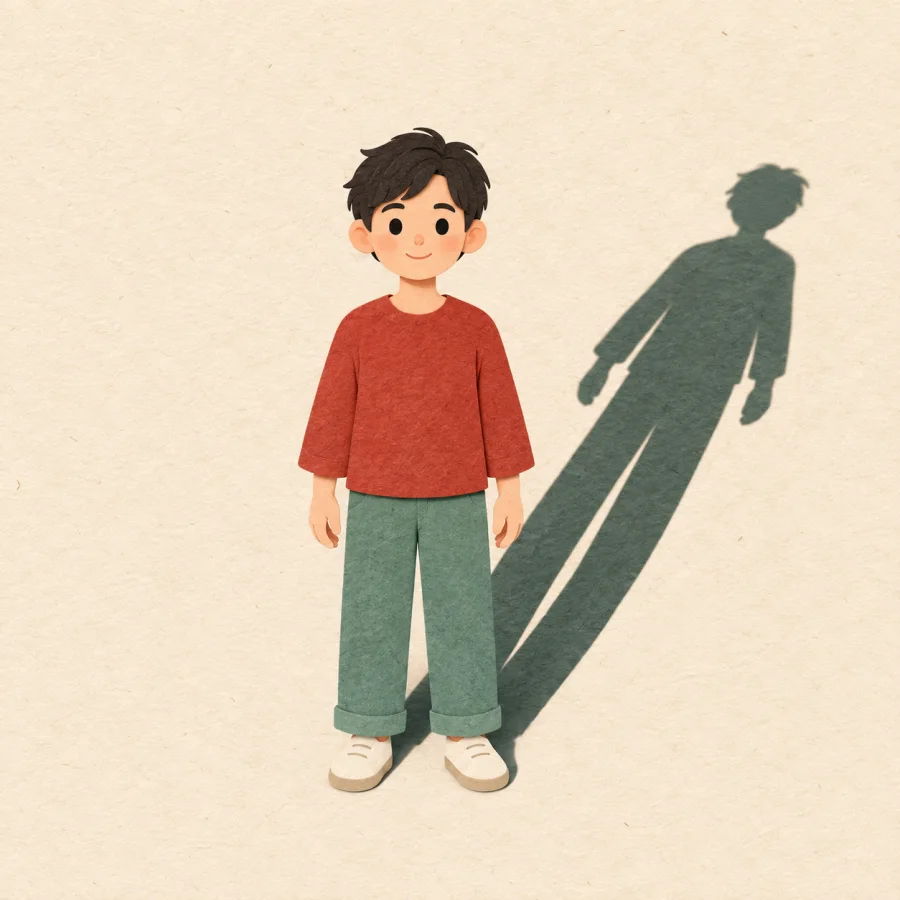
Memory picture
Characters in this word
前
前
qián
Strokes
9
Radical
刂
— knife
Play the animation
后
后
hòu
Strokes
6
Radical
口
— mouth
Play the animation
Example phrases
前后都有车。
Qiánhòu dōu yǒu chē.
There are cars in front and behind.
他前后看了。
Tā qiánhòu kàn le.
He looked in front and behind.
前后都安静。
Qiánhòu dōu ānjìng.
It is quiet in front and behind.
我们前后一共花了三天。
Wǒmen qiánhòu yígòng huāle sān tiān.
Altogether it took us three days from start to finish.
他在这个月五号前后回来吗?
Tā zài zhège yuè wǔ hào qiánhòu huílái ma?
Will he come back around the fifth of this month?
会议在十点前后开始吧。
Huìyì zài shí diǎn qiánhòu kāishǐ ba.
The meeting will probably start around ten o'clock.
请不要在汽车前后跑。
Qǐng búyào zài qìchē qiánhòu pǎo.
Please don't run in front of or behind the car.
那个新家前后都是公园。
Nàge xīn jiā qiánhòu dōu shì gōngyuán.
There are parks both in front of and behind that new home.
你在桌子前后放了什么?
Nǐ zài zhuōzi qiánhòu fàngle shénme?
What did you put in front of and behind the table?
房子的前后都有大树。
Fángzi de qiánhòu dōu yǒu dà shù.
There are big trees in front of and behind the house.
Related words
前
qián
front, before
前边
qiánbian
front, in front
前天
qiántiān
the day before yesterday
面前
miànqián
in front of
前年
qiánnián
the year before last
以前
yǐqián
before; in the past
从前
cóngqián
in the past; long ago
目前
mùqián
now; at present
前进
qiánjìn
to move forward
前面
qiánmiàn
in front; ahead
前往
qiánwǎng
to go to; to head for
提前
tíqián
ahead of time
All HSK 3 words →