1. Home
  2. HSK 3
  3. Danger and trouble

缺点

quēdiǎn

weak point; flaw

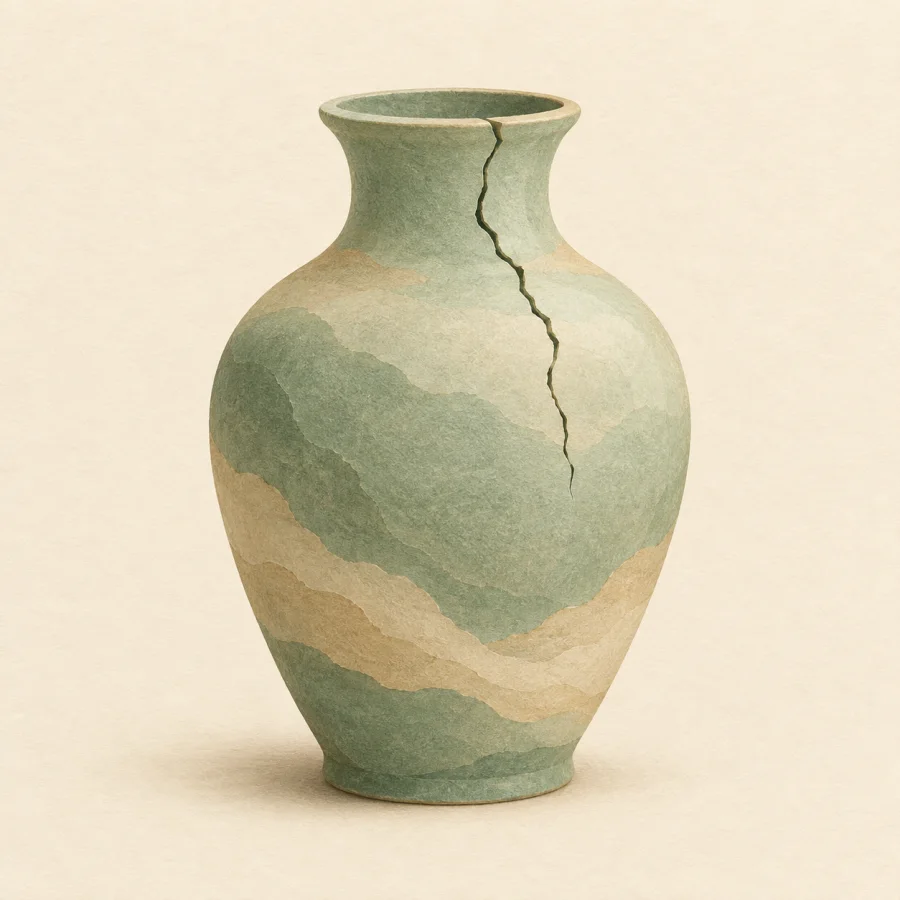
A vase with a crack
Memory picture

Characters in this word

缺 quē

Strokes
10
Radical
缶 — earthen crock or jar
Made of
缶 earthen crock or jar 夬 decisive, certain
How it's built
Phono-semantic — one part hints at the meaning, another at the sound

点 diǎn

Strokes
9
Radical
灬 — fire
Made of
占 to divine 灬 fire
How it's built
Phono-semantic — one part hints at the meaning, another at the sound

Example phrases

  • 他的缺点少。 Tā de quēdiǎn shǎo. He has few weak points.
  • 别只看缺点。 Bié zhǐ kàn quēdiǎn. Do not only look at flaws.
  • 每人有缺点。 Měi rén yǒu quēdiǎn. Everyone has weak points.
  • 这个办法的缺点是什么? Zhège bànfǎ de quēdiǎn shì shénme? What is the drawback of this method?
  • 老师请我们说说自己的缺点。 Lǎoshī qǐng wǒmen shuōshuo zìjǐ de quēdiǎn. The teacher asked us to talk about our own shortcomings.
  • 每个人都有自己的缺点。 Měi ge rén dōu yǒu zìjǐ de quēdiǎn. Everyone has their own shortcomings.
  • 这个手机有缺点吗? Zhège shǒujī yǒu quēdiǎn ma? Does this phone have any flaws?
  • 她知道自己的缺点,也会改。 Tā zhīdào zìjǐ de quēdiǎn, yě huì gǎi. She knows her weaknesses and can work on them.
  • 别因为一个缺点不喜欢他。 Bié yīnwèi yí ge quēdiǎn bù xǐhuan tā. Don't dislike him because of one flaw.
  • 这个房间最大的缺点是太小。 Zhège fángjiān zuì dà de quēdiǎn shì tài xiǎo. The biggest drawback of this room is that it's too small.

Related words

All HSK 3 words →