1. Home
  2. HSK 3
  3. Qualities and states

生

shēng

raw; unfamiliar

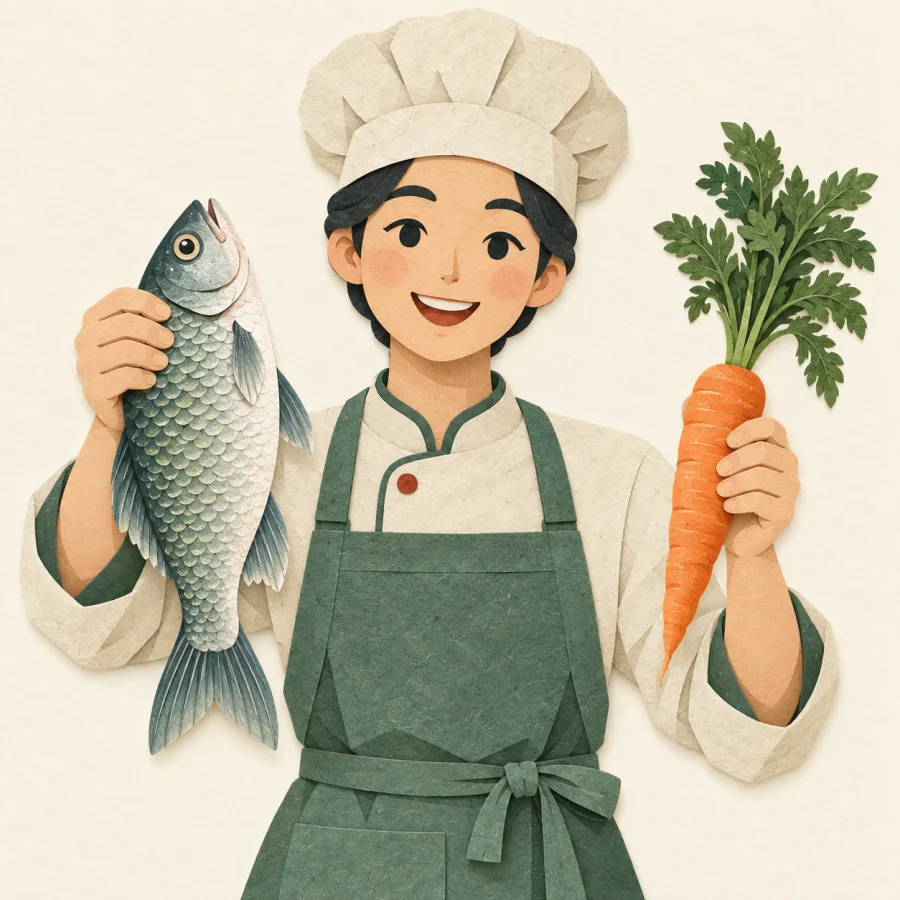
A cook holding an uncooked fish
Memory picture

Character

生 shēng

Strokes
5
Radical
生 — life, lifetime
Made of
𠂉 cap 土 soil, earth
How it's built
Ideograph — the meaning is built from its parts
More about the character 生

Example phrases

  • 这个菜很生。 Zhè ge cài hěn shēng. This dish is very raw.
  • 肉还是生的。 Ròu hái shì shēng de. The meat is still raw.
  • 我怕生人。 Wǒ pà shēng rén. I am afraid of strangers.
  • 鱼还生,不能吃。 Yú hái shēng, bù néng chī. The fish is still raw; you can't eat it.
  • 这块肉没有熟,太生了。 Zhè kuài ròu méiyǒu shú, tài shēng le. This piece of meat isn't cooked; it's too raw.
  • 鸡蛋这样吃有点儿生。 Jīdàn zhèyàng chī yǒudiǎnr shēng. The egg is a little raw when eaten this way.
  • 请把鱼做熟,别吃生鱼。 Qǐng bǎ yú zuò shú, bié chī shēngyú. Please cook the fish; don't eat it raw.
  • 王明不认识生人。 Wáng Míng bú rènshi shēngrén. Wang Ming doesn't know strangers.
  • 菜还生吗?再做一会儿吧。 Cài hái shēng ma? Zài zuò yíhuìr ba. Are the vegetables still raw? Cook them a little longer.
  • 他怕生,不爱说话。 Tā pàshēng, bú ài shuōhuà. He's shy around strangers and doesn't like to talk.

Related words

All HSK 3 words →