1. Home
  2. HSK 3
  3. Feelings and character

主动

zhǔdòng

active; on one's own initiative

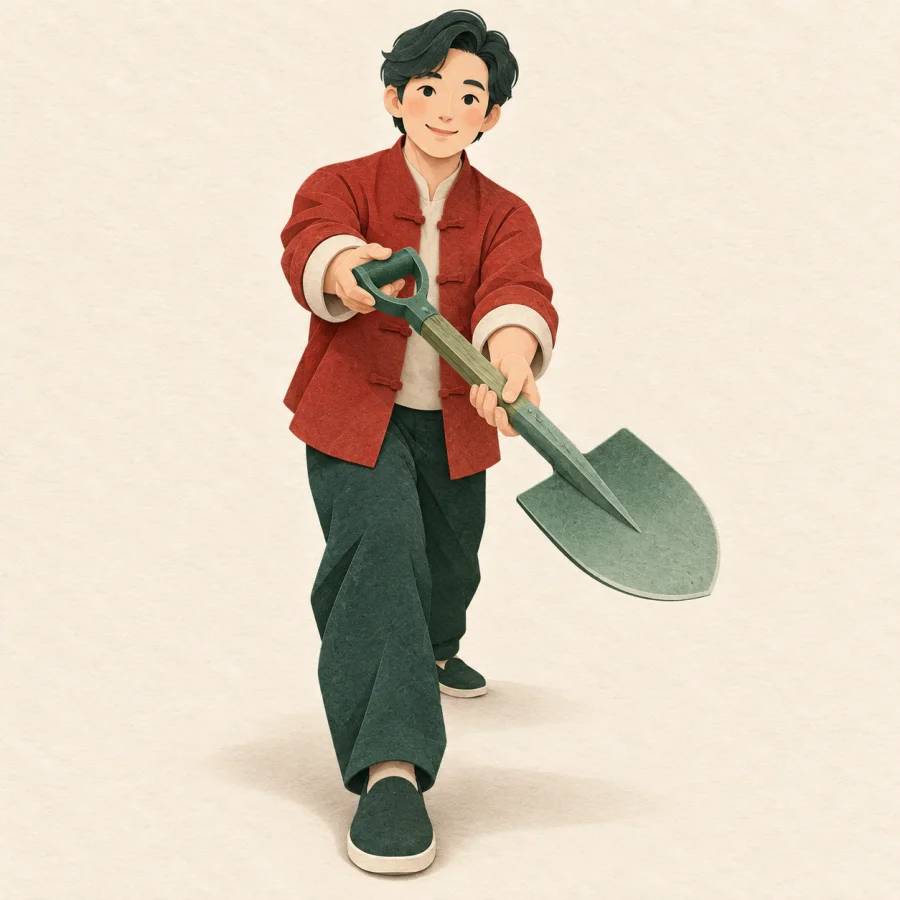
A person stepping forward with a shovel
Memory picture

Characters in this word

主 zhǔ

Strokes
5
Radical
丶 — dot
How it's built
Pictograph — a drawing of the thing
More about the character 主

动 dòng

Strokes
6
Radical
力 — strength, power
Made of
云 cloud 力 strength, power
How it's built
Phono-semantic — one part hints at the meaning, another at the sound

Example phrases

  • 他主动帮我。 Tā zhǔdòng bāng wǒ. He helps me on his own.
  • 请主动说话。 Qǐng zhǔdòng shuōhuà. Please speak up actively.
  • 她很主动。 Tā hěn zhǔdòng. She is very proactive.
  • 小王主动问老师问题。 Xiǎo Wáng zhǔdòng wèn lǎoshī wèntí. Xiao Wang takes the initiative to ask the teacher questions.
  • 她不主动跟同学说话。 Tā bù zhǔdòng gēn tóngxué shuōhuà. She doesn't take the initiative to talk to her classmates.
  • 谁愿意主动回答? Shéi yuànyì zhǔdòng huídá? Who would like to volunteer an answer?
  • 你应该主动认识新同学。 Nǐ yīnggāi zhǔdòng rènshi xīn tóngxué. You should take the initiative to meet your new classmates.
  • 妈妈主动给客人倒水。 Māma zhǔdòng gěi kèrén dào shuǐ. Mom took the initiative to pour water for the guests.
  • 别等别人,你要主动。 Bié děng biérén, nǐ yào zhǔdòng. Don't wait for others; take the initiative.
  • 主动学习以后进步很快。 Zhǔdòng xuéxí yǐhòu jìnbù hěn kuài. When you take charge of your learning, you make progress quickly.

Related words

All HSK 3 words →