1. Home
  2. HSK 4
  3. Character and morals

笨

bèn

stupid; clumsy

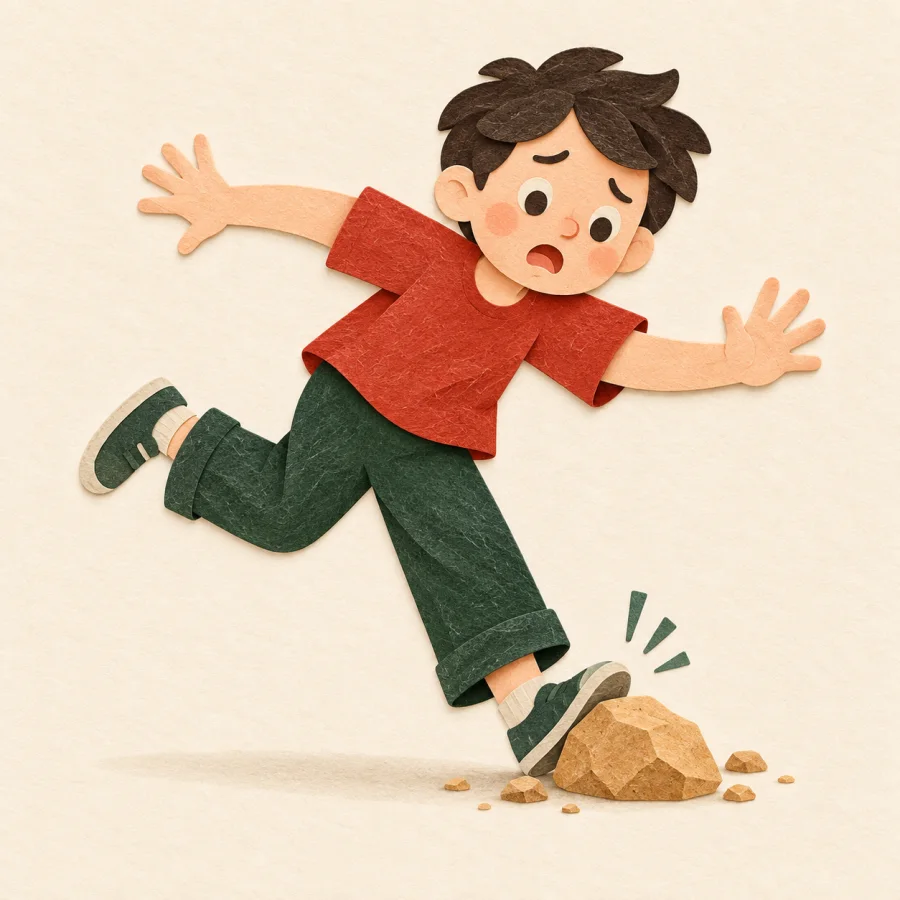
A person tripping over a stone
Memory picture

Character

笨 bèn

Strokes
11
Radical
⺮ — bamboo
Made of
⺮ bamboo 本 root, origin, source
How it's built
Phono-semantic — one part hints at the meaning, another at the sound

Example phrases

  • 我真笨。 Wǒ zhēn bèn. I am really stupid.
  • 他不笨。 Tā bú bèn. He is not stupid.
  • 别说我笨。 Bié shuō wǒ bèn. Do not call me stupid.
  • 妈妈说我一点也不笨。 Māma shuō wǒ yìdiǎn yě bú bèn. Mom says I'm not stupid at all.
  • 他刚学开车动作有点笨。 Tā gāng xué kāichē dòngzuò yǒudiǎn bèn. When he first learned to drive, his movements were a little clumsy.
  • 这个办法很笨但是有用。 Zhège bànfǎ hěn bèn dànshì yǒuyòng. This method is clumsy but useful.
  • 她第一次做饭显得很笨。 Tā dì yī cì zuòfàn xiǎnde hěn bèn. She seemed very clumsy the first time she cooked.
  • 这个办法不笨还很有用。 Zhège bànfǎ bù bèn hái hěn yǒuyòng. This method isn't stupid; it's useful too.
  • 小王第一次做饭有点笨。 Xiǎo Wáng dì yī cì zuòfàn yǒudiǎn bèn. Xiao Wang was a little clumsy cooking for the first time.
  • 你怎么把这么简单的字写错了真笨。 Nǐ zěnme bǎ zhème jiǎndān de zì xiě cuò le zhēn bèn. How did you get such a simple character wrong? That was silly.

Related words

All HSK 4 words →