粗
cū
thick; rough
Character
Example phrases
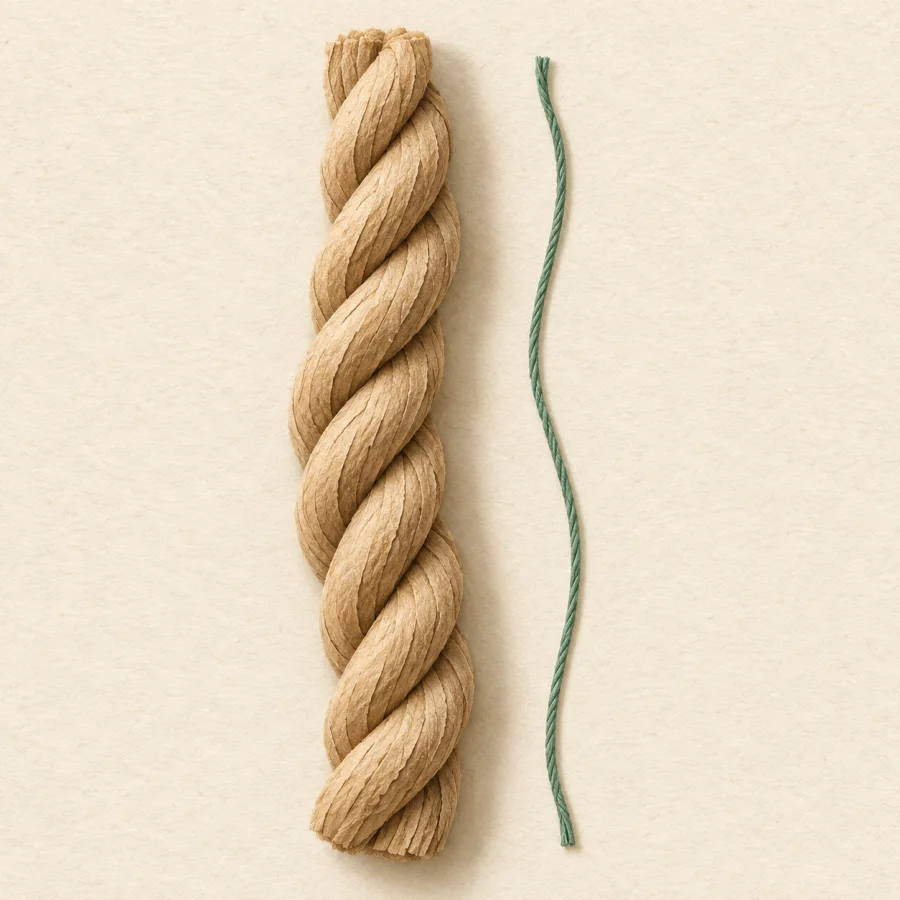
- 这根绳很粗。 Zhè gēn shéng hěn cū. This rope is very thick.
- 他声音很粗。 Tā shēngyīn hěn cū. His voice is very rough.
- 粗笔不好写。 Cū bǐ bù hǎo xiě. A thick pen is hard to write with.
- 他用粗笔写汉字。 Tā yòng cū bǐ xiě Hànzì. He writes Chinese characters with a thick pen.
- 她的头发又黑又粗。 Tā de tóufa yòu hēi yòu cū. Her hair is black and coarse.
- 这支笔太粗,不好写字。 Zhè zhī bǐ tài cū, bù hǎo xiě zì. This pen is too thick, so it's hard to write with.
- 这条线比那条粗。 Zhè tiáo xiàn bǐ nà tiáo cū. This thread is thicker than that one.
- 王明的手指又粗又短。 Wáng Míng de shǒuzhǐ yòu cū yòu duǎn. Wang Ming's fingers are thick and short.
- 老师的声音不粗,很好听。 Lǎoshī de shēngyīn bù cū, hěn hǎotīng. The teacher's voice isn't rough; it's very pleasant.
- 请用粗一点的笔写字。 Qǐng yòng cū yìdiǎn de bǐ xiězì. Please write with a slightly thicker pen.
Related words
- 粗心 cūxīn careless
- 粗暴 cūbào rough; violent; crude and forceful
- 粗糙 cūcāo rough; crude; unpolished
- 粗鲁 cūlǔ rude; impolite; rough-mannered
- 粗略 cūlüè rough; approximate; sketchy
- 粗心大意 cūxīndàyì careless; negligent
- 沉 chén to sink
- 细 xì thin
- 尺寸 chǐcùn size
- 浅 qiǎn shallow; light in color
- 厘米 límǐ centimeter
- 方 fāng direction; square