1. Home
  2. HSK 4
  3. Materials and forms

底

dǐ

bottom

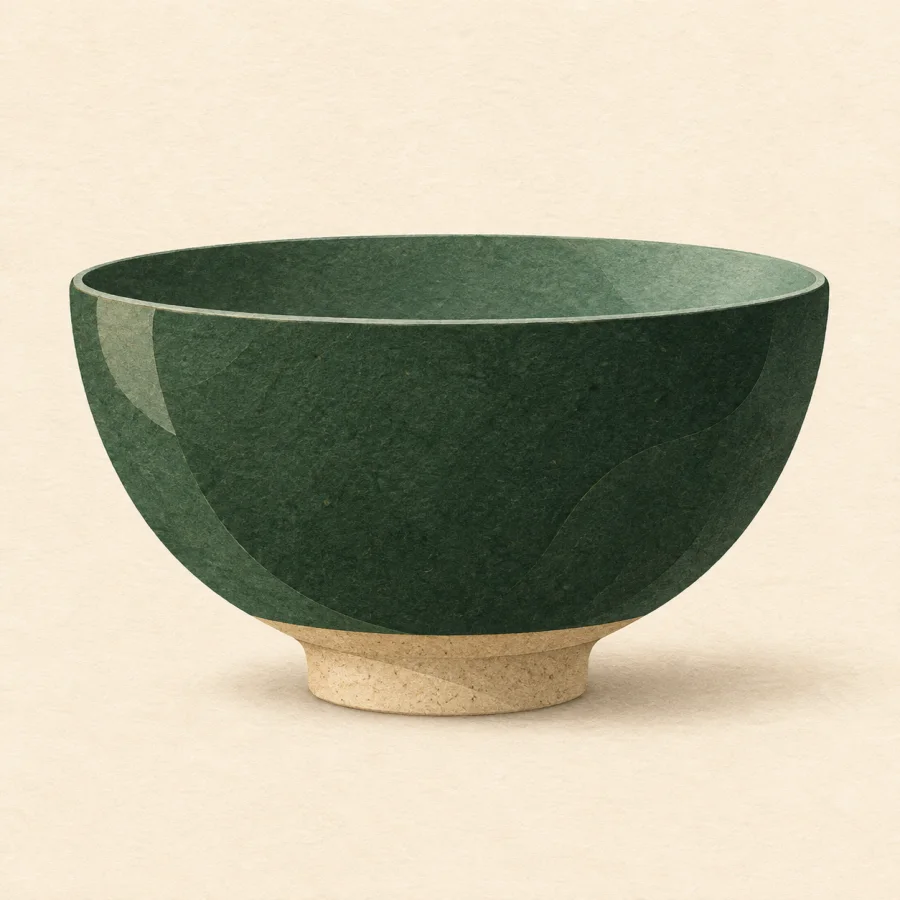
A bowl showing its base
Memory picture

Character

底 dǐ

Strokes
8
Radical
广 — broad, vast, wide
Made of
广 broad, vast, wide 氐 the name of an ancient tribe
How it's built
Phono-semantic — one part hints at the meaning, another at the sound

Example phrases

  • 杯底有水。 Bēidǐ yǒu shuǐ. There is water at the bottom of the cup.
  • 盒底很脏。 Hédǐ hěn zāng. The bottom of the box is very dirty.
  • 河底有鱼。 Hédǐ yǒu yú. There are fish at the bottom of the river.
  • 碗底还有一点儿米饭。 Wǎn dǐ hái yǒu yìdiǎnr mǐfàn. There's still a little rice at the bottom of the bowl.
  • 箱子底有一本旧书。 Xiāngzi dǐ yǒu yì běn jiù shū. There's an old book at the bottom of the box.
  • 瓶底的水不能喝了。 Píng dǐ de shuǐ bù néng hē le. The water at the bottom of the bottle can't be drunk anymore.
  • 桌子底下有一只小狗。 Zhuōzi dǐxia yǒu yì zhī xiǎo gǒu. There's a little dog under the table.
  • 你看到杯底的字了吗? Nǐ kàn dào bēi dǐ de zì le ma? Did you see the writing on the bottom of the cup?
  • 书底下压着我的手机。 Shū dǐxia yāzhe wǒ de shǒujī. My phone is underneath the book.
  • 河底有很多石头。 Hé dǐ yǒu hěn duō shítou. There are many stones at the bottom of the river.

Related words

All HSK 4 words →