1. Home
  2. HSK 4
  3. Skills and capacity

弱

ruò

weak

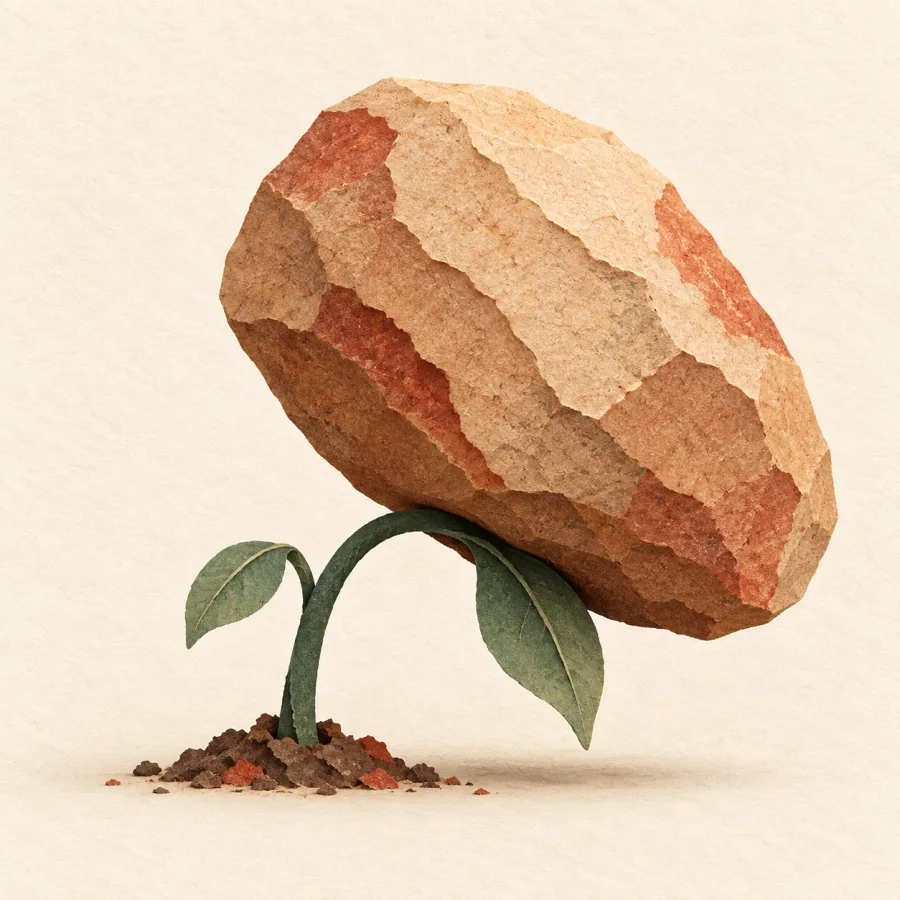
A sprout under a heavy stone
Memory picture

Character

弱 ruò

Strokes
10
Radical
弓 — bow
How it's built
Ideograph — the meaning is built from its parts

Example phrases

  • 他身体弱。 Tā shēntǐ ruò. His health is weak.
  • 我一点不弱。 Wǒ yìdiǎn bú ruò. I am not weak at all.
  • 这孩子弱。 Zhè háizi ruò. This child is weak.
  • 她的病好了以后,身体还是很弱。 Tā de bìng hǎo le yǐhòu, shēntǐ háishi hěn ruò. Her illness is over, but she is still weak.
  • 爷爷年纪大了,力气变弱了。 Yéye niánjì dà le, lìqi biàn ruò le. Grandpa has gotten old and his strength has weakened.
  • 我听力弱,请你慢一点儿说。 Wǒ tīnglì ruò, qǐng nǐ màn yìdiǎnr shuō. My listening is weak — please speak a little slower.
  • 灯光太弱了,我一点儿都看不见。 Dēngguāng tài ruò le, wǒ yìdiǎnr dōu kàn bu jiàn. The light is too dim — I can't see a thing.
  • 妈妈说,我的身体太弱,要多吃肉。 Māma shuō, wǒ de shēntǐ tài ruò, yào duō chī ròu. Mom says I'm too weak and should eat more meat.
  • 这只小狗身体很弱。 Zhè zhī xiǎogǒu shēntǐ hěn ruò. This little dog is very weak.
  • 下雨以后风变弱了。 Xiàyǔ yǐhòu fēng biàn ruò le. The wind weakened after the rain.

Related words

All HSK 4 words →