着
zháo
to successfully do (result ending)
Character
Example phrases
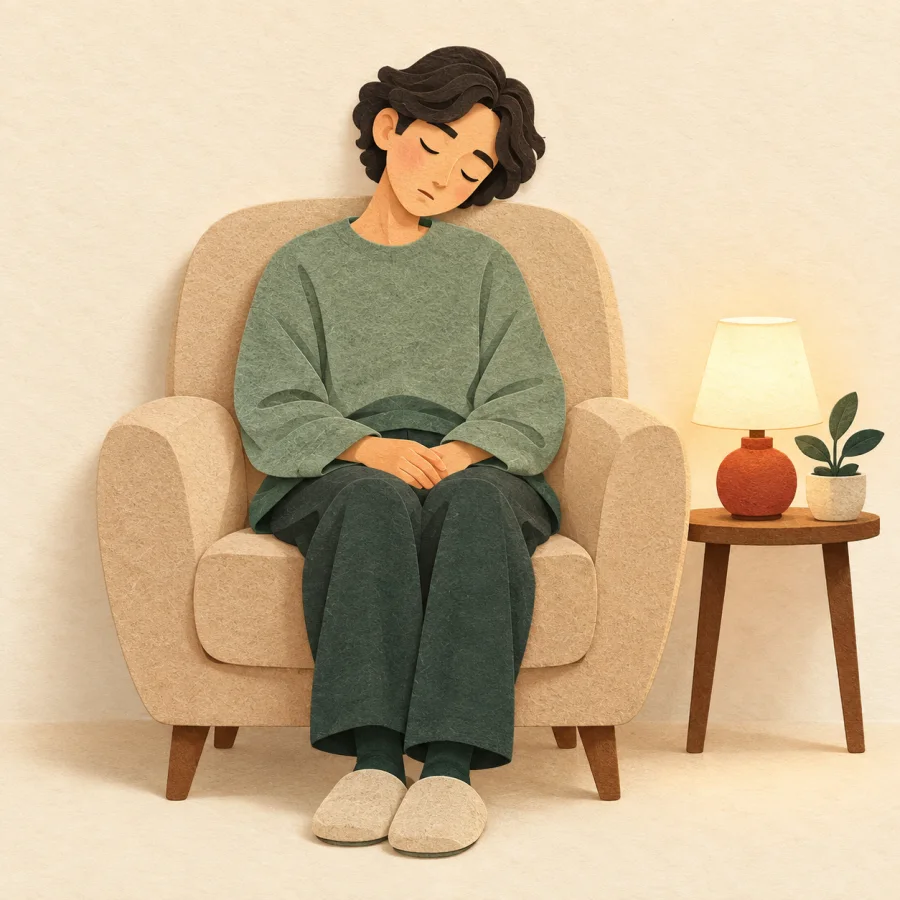
- 我睡着了。 Wǒ shuìzháo le. I fell asleep.
- 灯点着了。 Dēng diǎn zháo le. The lamp is lit.
- 孩子睡着了。 Háizi shuì zháo le. The child fell asleep.
- 小王终于找着他的书了。 Xiǎo Wáng zhōngyú zhǎozháo tā de shū le. Xiao Wang finally found his book.
- 我没找着老师的手机。 Wǒ méi zhǎozháo lǎoshī de shǒujī. I couldn't find the teacher's phone.
- 他今天没买着车票。 Tā jīntiān méi mǎizháo chēpiào. He couldn't get a ticket today.
- 你找着回家的路了吗? Nǐ zhǎozháo huíjiā de lù le ma? Did you find the way home?
- 她没睡着,还在看书。 Tā méi shuìzháo, hái zài kàn shū. She hasn't fallen asleep and is still reading.
- 请问你买着这个本子了吗? Qǐngwèn nǐ mǎizháo zhège běnzi le ma? Excuse me, did you manage to buy this notebook?
- 昨天我没买着那本书。 Zuótiān wǒ méi mǎizháo nà běn shū. I couldn't get that book yesterday.
Related words
- 着 zhe particle for an ongoing action or state (-ing)
- 接着 jiēzhe then; to continue
- 睡着 shuìzháo to fall asleep
- 着火 zháohuǒ to catch fire
- 着急 zháojí worried; anxious
- 随着 suízhe following; as
- 意味着 yìwèizhe to mean
- 用不着 yòngbuzháo need not
- 有着 yǒuzhe to have
- 本着 běnzhe in accordance with; acting on the basis of
- 沉着 chénzhuó calm; composed
- 穿着 chuānzhuó clothing; attire; dress