1. Home
  2. HSK 5
  3. Traits and suitability

不良

bùliáng

bad; harmful

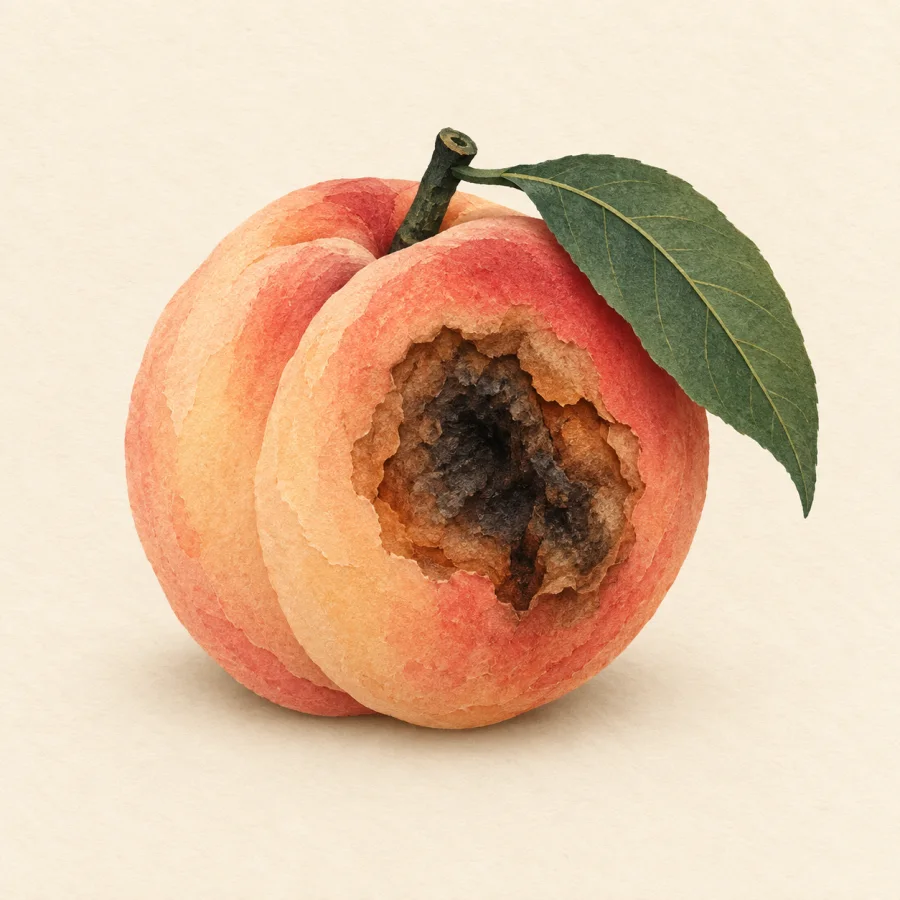
A rotten peach beside a leaf
Memory picture

Characters in this word

不 bù

Strokes
4
Radical
一 — one
How it's built
Ideograph — the meaning is built from its parts

Example phrases

  • 不良习惯要改。 Bùliáng xí guàn yào gǎi. Bad habits need to change.
  • 他有不良反应。 Tā yǒu bùliáng fǎn yìng. He has a bad reaction.
  • 别看不良内容。 Bié kàn bùliáng nèi róng. Do not watch harmful content.
  • 这种不良习惯很难改掉。 Zhè zhǒng bùliáng xíguàn hěn nán gǎidiào. This bad habit is hard to break.
  • 老师提醒我们别有不良行为。 Lǎoshī tíxǐng wǒmen bié yǒu bùliáng xíngwéi. The teacher reminded us not to behave badly.
  • 不良内容会影响学生学习。 Bùliáng nèiróng huì yǐngxiǎng xuésheng xuéxí. Harmful content can affect students' learning.
  • 医生说这个药没有不良作用。 Yīshēng shuō zhège yào méiyǒu bùliáng zuòyòng. The doctor said this medicine has no harmful side effects.
  • 这种不良习惯会让人睡不好。 Zhè zhǒng bùliáng xíguàn huì ràng rén shuì bù hǎo. This bad habit can make it hard to sleep well.
  • 不良习惯会影响身体健康。 Bùliáng xíguàn huì yǐngxiǎng shēntǐ jiànkāng. Bad habits can affect your health.
  • 不良行为会影响大家的生活。 Bùliáng xíngwéi huì yǐngxiǎng dàjiā de shēnghuó. Bad behavior can affect everyone's lives.

Related words

All HSK 5 words →