烂
làn
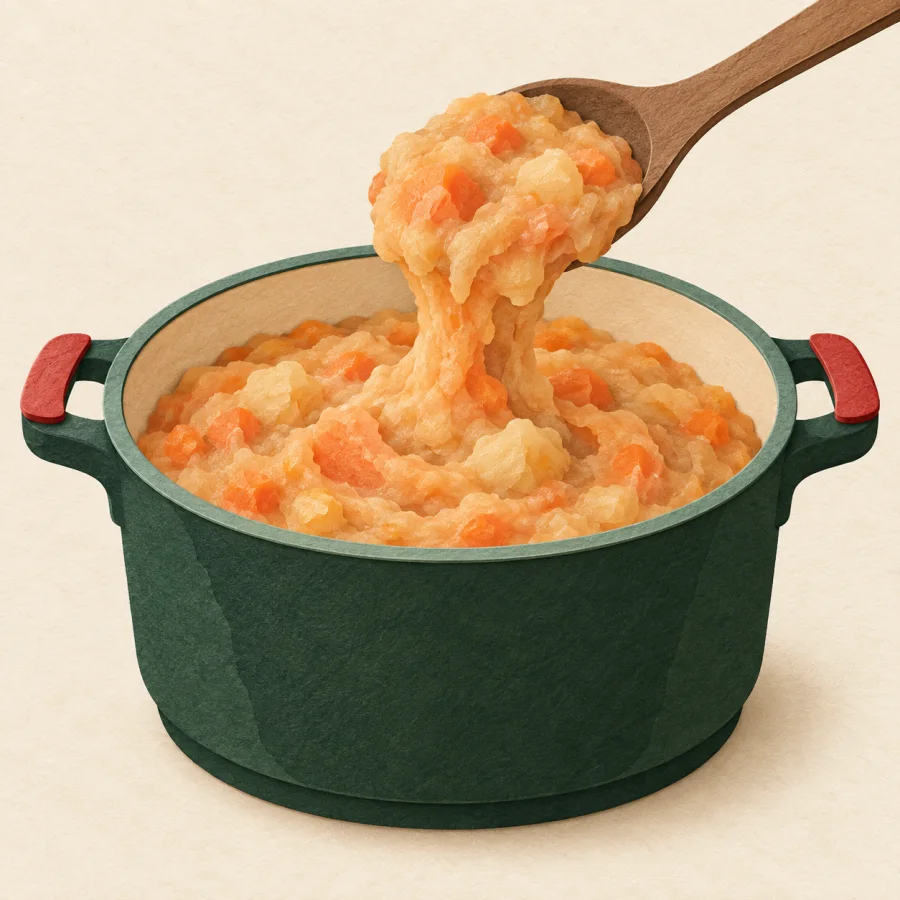
overcooked; soft from cooking
Character
Example phrases
- 饭煮烂了。 Fàn zhǔ làn le. The rice is cooked too soft.
- 肉炖烂了。 Ròu dùn làn le. The meat is stewed until soft.
- 菜有点烂。 Cài yǒudiǎn làn. The vegetables are a little overcooked.
- 奶奶牙不好,喜欢吃烂一点儿的菜。 Nǎinai yá bù hǎo, xǐhuan chī làn yìdiǎnr de cài. Grandma has bad teeth, so she likes her vegetables soft.
- 火太大,锅里的菜一会儿就烂了。 Huǒ tài dà, guō lǐ de cài yíhuìr jiù làn le. The heat was too high, and the vegetables in the pot became soft very quickly.
- 妈妈做的土豆已经很烂了。 Māma zuò de tǔdòu yǐjīng hěn làn le. The potatoes Mom made are already very soft.
- 汤里的菜太烂了,味道不太好。 Tāng li de cài tài làn le, wèidào bú tài hǎo. The vegetables in the soup are overcooked, and they don't taste very good.
- 今天的米饭不烂也不硬,正好。 Jīntiān de mǐfàn bú làn yě bú yìng, zhènghǎo. Today's rice is neither overcooked nor hard; it's just right.
- 请别把菜做得太烂,老师不喜欢。 Qǐng bié bǎ cài zuò de tài làn, lǎoshī bù xǐhuan. Please don't overcook the vegetables; the teacher doesn't like them that way.
- 妈妈说土豆烂了,可以吃了。 Māma shuō tǔdòu làn le, kěyǐ chī le. Mom said the potatoes are soft and ready to eat.