1. Home
  2. HSK 5
  3. People and appearance

瘦

shòu

thin

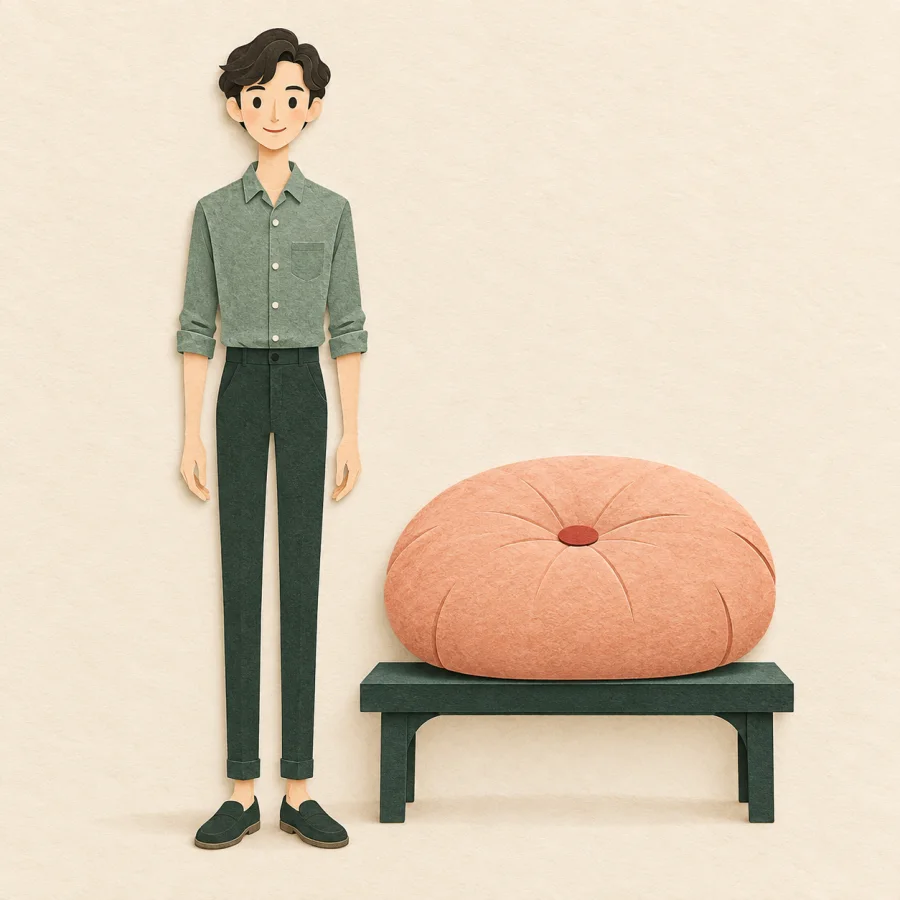
A slim person beside a cushion
Memory picture

Character

瘦 shòu

Strokes
14
Radical
疒 — sickness, disease
Made of
疒 sickness, disease 叟 old man
How it's built
Phono-semantic — one part hints at the meaning, another at the sound

Example phrases

  • 他现在瘦。 Tā xiànzài shòu. He is thin now.
  • 她有点瘦。 Tā yǒudiǎn shòu. She is a little thin.
  • 你太瘦了。 Nǐ tài shòu le. You are too thin.
  • 最近他瘦了不少,身体还好吗? Zuìjìn tā shòu le bù shǎo, shēntǐ hái hǎo ma? He has lost quite a bit of weight lately. Is he feeling all right?
  • 这件衣服太大了,我显得很瘦。 Zhè jiàn yīfu tài dà le, wǒ xiǎnde hěn shòu. These clothes are too big, so I look very thin in them.
  • 你最近是不是瘦了? Nǐ zuìjìn shì bu shì shòu le? Have you lost weight lately?
  • 她不胖也不瘦,身体很健康。 Tā bú pàng yě bú shòu, shēntǐ hěn jiànkāng. She is neither heavy nor thin, and she is very healthy.
  • 别只吃菜,太瘦对身体不好。 Bié zhǐ chī cài, tài shòu duì shēntǐ bù hǎo. Don't eat only vegetables; being too thin is bad for your health.
  • 妈妈觉得弟弟瘦了,叫他多吃饭。 Māma juéde dìdi shòu le, jiào tā duō chīfàn. Mom thought her younger son had lost weight and told him to eat more.
  • 你看起来瘦,可是力气很大。 Nǐ kànqǐlai shòu, kěshì lìqi hěn dà. You look thin, but you are very strong.

Related words

All HSK 5 words →