1. Home
  2. HSK 5
  3. Traits and suitability

有力

yǒulì

strong; powerful

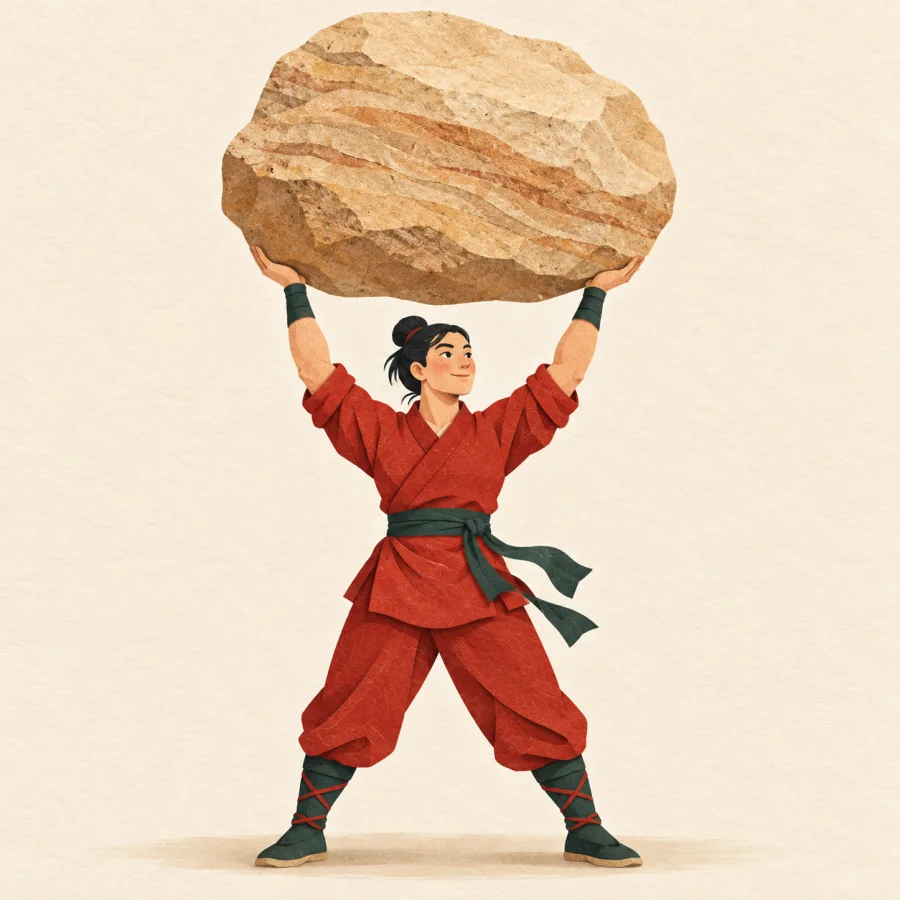
A person lifting a heavy stone
Memory picture

Characters in this word

有 yǒu

Strokes
6
Radical
月 — moon
Made of
𠂇 hand 月 moon
How it's built
Phono-semantic — one part hints at the meaning, another at the sound

力 lì

Strokes
2
Radical
力 — strength, power
How it's built
Ideograph — the meaning is built from its parts

Example phrases

  • 他手很有力。 Tā shǒu hěn yǒulì. His hands are very strong.
  • 这话很有力。 Zhè huà hěn yǒulì. These words are very powerful.
  • 他的手有力。 Tā de shǒu yǒulì. His hand is strong.
  • 老人的手还是很有力,推门一下就开了。 Lǎorén de shǒu háishi hěn yǒulì, tuī mén yíxià jiù kāi le. The old man's hand is still strong — one push and the door opened.
  • 教练有力地拍了拍队员的背。 Jiàoliàn yǒulì de pāi le pāi duìyuán de bèi. The coach patted the team member's back firmly.
  • 他用有力的理由说服了大家。 Tā yòng yǒulì de lǐyóu shuōfú le dàjiā. He persuaded everyone with strong reasons.
  • 王明有力的回答让老师很高兴。 Wáng Míng yǒulì de huídá ràng lǎoshī hěn gāoxìng. Wang Ming's forceful answer made the teacher very pleased.
  • 他的腿很有力,爬山从来不怕累。 Tā de tuǐ hěn yǒulì, pá shān cónglái bú pà lèi. His legs are strong, so he never worries about getting tired when hiking.
  • 有力的证据证明他没有错。 Yǒulì de zhèngjù zhèngmíng tā méiyǒu cuò. Strong evidence proves that he is not wrong.
  • 读课文的时候声音要有力。 Dú kèwén de shíhou shēngyīn yào yǒulì. When reading the text aloud, your voice should be strong.

Related words

All HSK 5 words →