丑恶
chǒu'è
ugly; vile; evil
Characters in this word
恶 è
- Strokes
- 10
- Radical
- 心 — heart
- How it's built
- Phono-semantic — one part hints at the meaning, another at the sound
Example phrases
- 影片并没有回避战争中最丑恶的一面,因此显得格外沉重。 Yǐngpiàn bìng méiyǒu huíbì zhànzhēng zhōng zuì chǒu'è de yí miàn, yīncǐ xiǎndé géwài chénzhòng. The film does not avoid the ugliest side of war, and therefore feels especially heavy.
- 他看清了那些人丑恶的嘴脸。 Tā kànqīng le nàxiē rén chǒu'è de zuǐliǎn. He saw clearly the ugly true faces of those people.
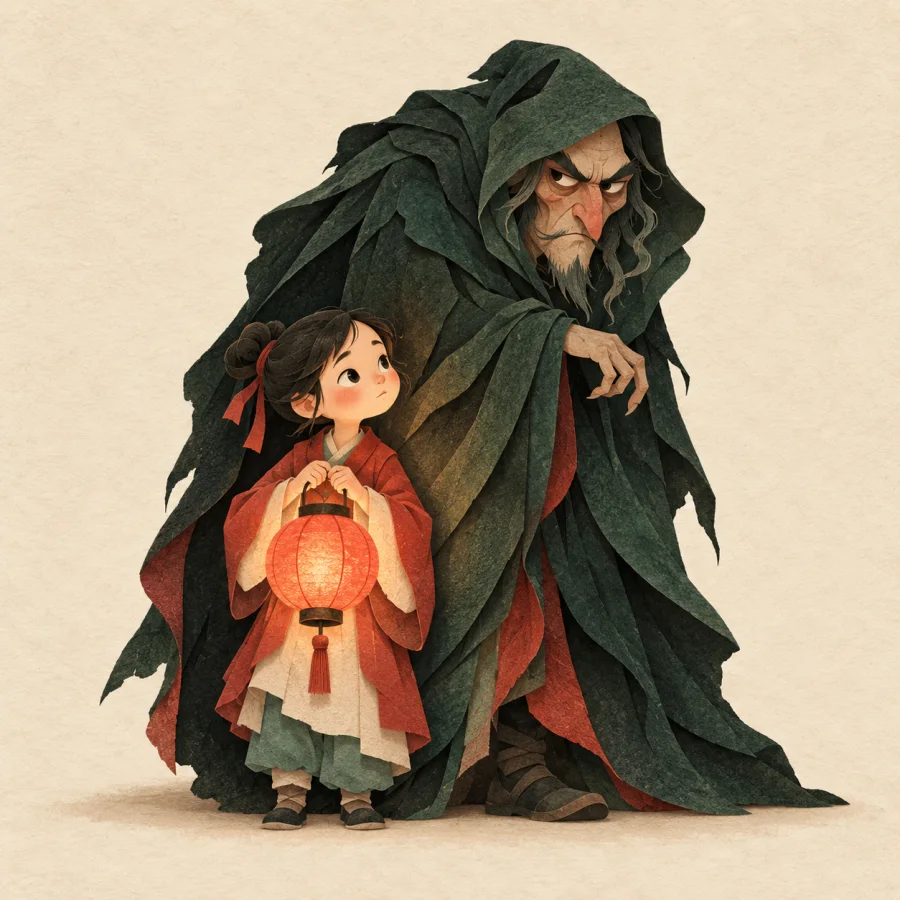
- 这部童话讲的是善良战胜丑恶的故事。 Zhè bù tónghuà jiǎng de shì shànliáng zhànshèng chǒu'è de gùshi. This fairy tale is about kindness triumphing over vileness.
Related words
- 丑 chǒu ugly
- 丑陋 chǒulòu ugly; unattractive
- 丑闻 chǒuwén scandal
- 出丑 chūchǒu to make a fool of oneself; to embarrass oneself
- 小丑 xiǎochǒu clown; buffoon
- 恶心 ěxin nauseous; disgusting
- 恶劣 èliè bad, vile
- 恶 è evil; wicked; bad
- 恶化 èhuà to worsen; to deteriorate
- 恶性 èxìng malignant; vicious
- 恶意 èyì malice; malicious intent
- 恶作剧 èzuòjù prank; practical joke