后遗症
hòuyízhèng
after-effect; sequela
Characters in this word
遗 yí
- Strokes
- 12
- Radical
- 辶 — to walk
- Made of
- 辶 to walk 贵 expensive, costly
- How it's built
- Ideograph — the meaning is built from its parts
症 zhèng
- Strokes
- 10
- Radical
- 疒 — sickness, disease
- Made of
- 疒 sickness, disease 正 straight, right, proper, correct, just, true
- How it's built
- Phono-semantic — one part hints at the meaning, another at the sound
Example phrases
- 这场金融危机的后遗症多年后仍体现在青年就业和地方债务上。 Zhè chǎng jīnróng wēijī de hòuyízhèng duō nián hòu réng tǐxiàn zài qīngnián jiùyè hé dìfāng zhàiwù shàng. The after-effects of this financial crisis are still reflected years later in youth employment and local debt.
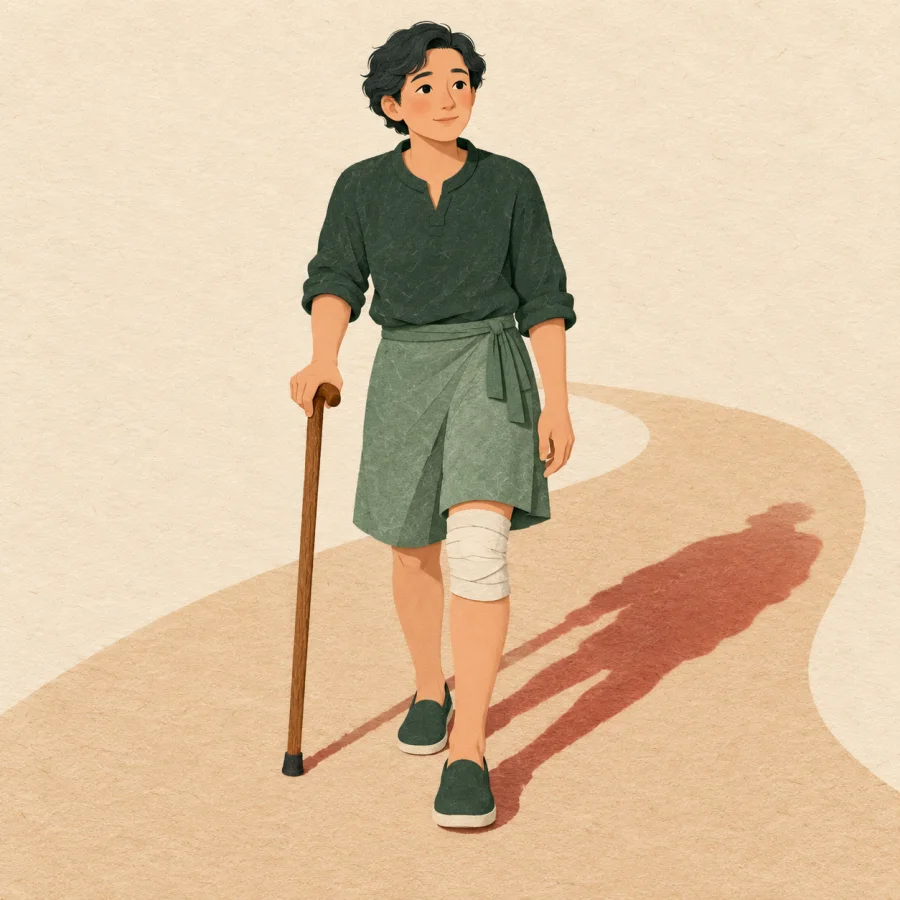
- 他小时候摔伤了腿,现在还有后遗症。 Tā xiǎoshíhou shuāishāng le tuǐ, xiànzài hái yǒu hòuyízhèng. He injured his leg as a child and still has after-effects.
- 熬夜工作的后遗症,就是白天总是没有精神。 Áoyè gōngzuò de hòuyízhèng, jiù shì báitiān zǒngshì méiyǒu jīngshen. The after-effect of working late at night is always feeling listless during the day.
Related words
- 后 hòu behind, after
- 后边 hòubian back, behind
- 后天 hòutiān the day after tomorrow
- 最后 zuìhòu last; finally
- 后来 hòulái later; afterward
- 今后 jīnhòu from now on; in the future
- 然后 ránhòu then; after that
- 以后 yǐhòu later; after
- 背后 bèihòu behind; behind one's back
- 后果 hòuguǒ consequences
- 后面 hòumiàn behind; the back
- 后年 hòunián the year after next