灭亡
mièwáng
to perish; to collapse; to become extinct
Characters in this word
亡 wáng
- Strokes
- 3
- Radical
- 亠 — lid, cover
- How it's built
- Ideograph — the meaning is built from its parts
Example phrases
- 历史上许多王朝并非一夜之间灭亡,而是在长期腐败中逐渐失去民心。 Lìshǐ shàng xǔduō wángcháo bìngfēi yí yè zhī jiān mièwáng, ér shì zài chángqī fǔbài zhōng zhújiàn shīqù mínxīn. Many dynasties in history did not collapse overnight, but gradually lost popular support through long-term corruption.
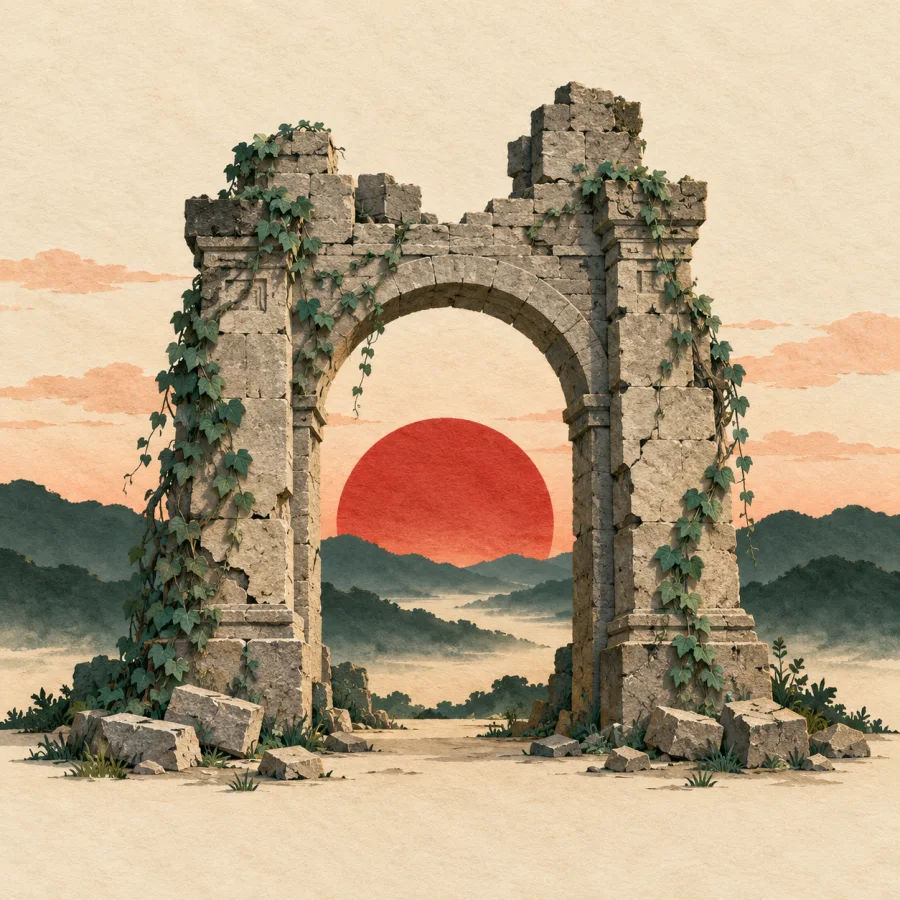
- 这座古城因为洪水而灭亡,只留下几堵残墙。 Zhè zuò gǔchéng yīnwèi hóngshuǐ ér mièwáng, zhǐ liú xià jǐ dǔ cán qiáng. This ancient city perished in a flood, leaving only a few ruined walls.
- 一个国家如果不重视教育,迟早会走向灭亡。 Yí ge guójiā rúguǒ bú zhòngshì jiàoyù, chízǎo huì zǒu xiàng mièwáng. A country that does not value education will sooner or later head toward collapse.
Related words
- 灭 miè to extinguish, to destroy
- 扑灭 pūmiè to extinguish
- 消灭 xiāomiè to annihilate
- 毁灭 huǐmiè to destroy; to annihilate
- 歼灭 jiānmiè to annihilate; to wipe out
- 灭绝 mièjué to become extinct; to exterminate
- 破灭 pòmiè to be shattered; to be destroyed; to collapse
- 熄灭 xīmiè to go out; to extinguish
- 伤亡 shāngwáng to be injured; casualties
- 死亡 sǐwáng to die
- 逃亡 táowáng to flee; to be on the run
- 亡羊补牢 wángyángbǔláo to mend the pen after sheep are lost; to take remedial action after a loss