强行
qiángxíng
forcibly; by force
Characters in this word
行 xíng
- Strokes
- 6
- Radical
- 行 — to go, to walk, to move
- Made of
- 彳 to step with the left foot 亍 to take small steps
- How it's built
- Ideograph — the meaning is built from its parts
Example phrases
- 未经评估就强行推进改革,可能会把原本可控的矛盾激化。 Wèijīng pínggū jiù qiángxíng tuījìn gǎigé, kěnéng huì bǎ yuánběn kěkòng de máodùn jīhuà. Forcibly pushing ahead with reform without assessment may intensify conflicts that were originally controllable.
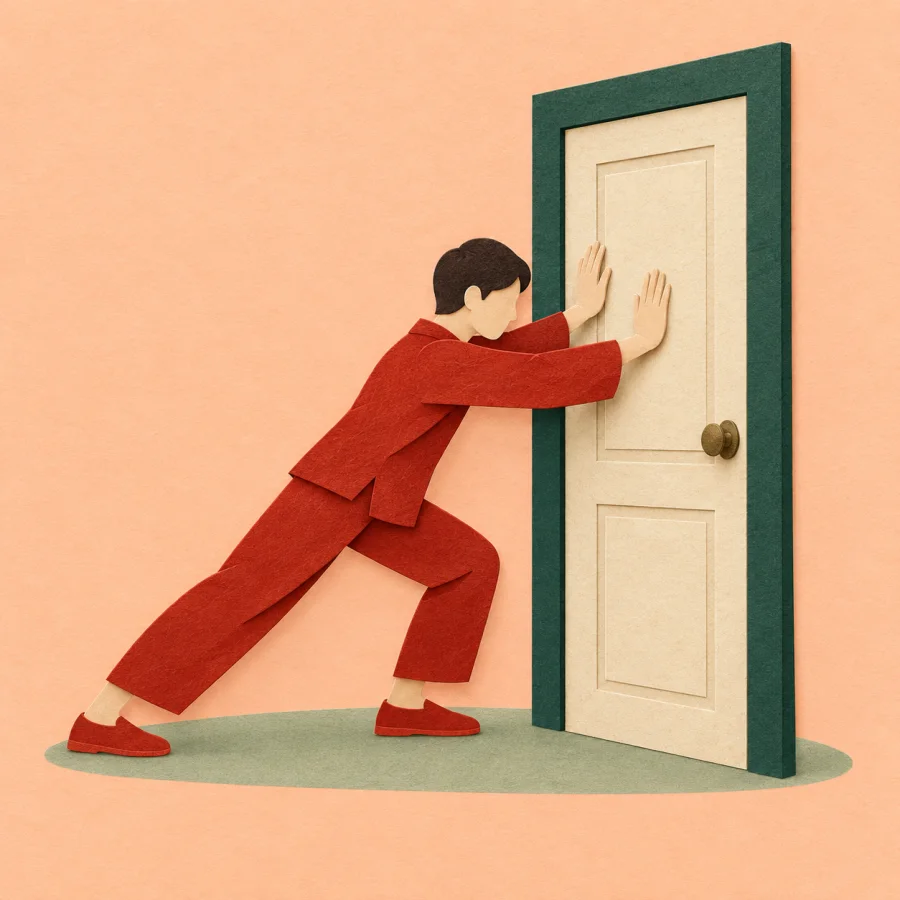
- 门卡住了,他强行把门推开才进去。 Mén kǎzhùle, tā qiángxíng bǎ mén tuīkāi cái jìnqù. The door was stuck, so he forced it open before he could get in.
- 孩子不想去学琴,家长别强行安排。 Háizi bù xiǎng qù xué qín, jiāzhǎng bié qiángxíng ānpái. The child does not want to learn the piano, so the parents should not force it on them.
Related words
- 加强 jiāqiáng to strengthen
- 坚强 jiānqiáng strong; brave
- 强 qiáng strong
- 强大 qiángdà powerful; strong
- 强调 qiángdiào to emphasize
- 强烈 qiángliè intense; strong
- 强度 qiángdù intensity
- 强迫 qiǎngpò to force
- 增强 zēngqiáng to strengthen
- 勉强 miǎnqiǎng reluctant; to force oneself
- 强化 qiánghuà to strengthen
- 强壮 qiángzhuàng strong, robust; to strengthen