惹
rě
to provoke; to cause; to offend
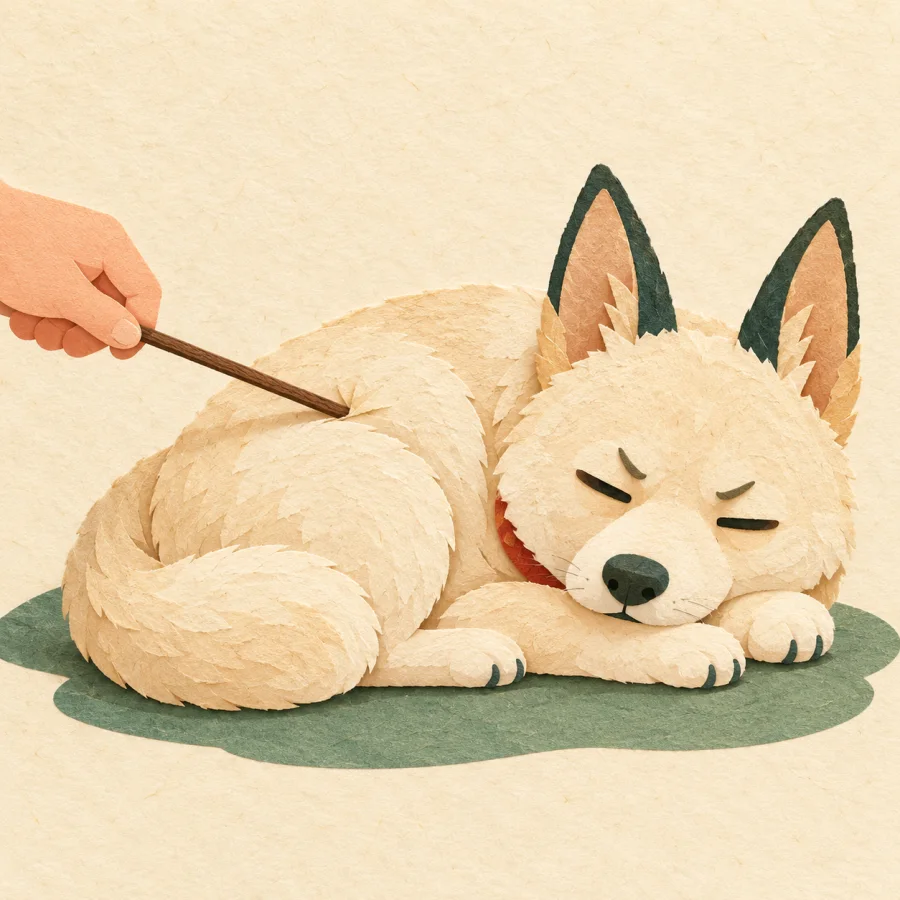
Character
Example phrases
- 他一句无心的话惹得全场哄笑,也让气氛轻松了许多。 Tā yí jù wúxīn de huà rě de quánchǎng hōngxiào, yě ràng qìfēn qīngsōng le xǔduō. One careless remark from him made the whole room burst into laughter and also lightened the atmosphere considerably.
- 别去惹他,他现在心情正不好呢。 Bié qù rě tā, tā xiànzài xīnqíng zhèng bù hǎo ne. Don't provoke him, he's in a bad mood right now.
- 孩子惹了祸,先别急着骂,问清楚原因再说。 Háizi rě le huò, xiān bié jízhe mà, wèn qīngchu yuányīn zài shuō. The child got into trouble; don't rush to scold him, find out the reason first.
Related words
- 欺负 qīfu to bully; to take advantage of
- 取笑 qǔxiào to tease; to make fun of
- 埋怨 mányuàn to complain; to blame
- 理睬 lǐcǎi to pay attention to; to acknowledge
- 计较 jìjiào to haggle over; to fuss about; to care too much about
- 纠缠 jiūchán to entangle; to pester
- 让步 ràngbù to make concessions; concession
- 忍耐 rěnnài to endure; to tolerate
- 容忍 róngrěn to tolerate; to put up with
- 宽容 kuānróng to tolerate; tolerant; lenient
- 宽恕 kuānshù to forgive; forgiveness
- 饶 ráo to spare; to forgive