Chinese idioms (chengyu)
A chengyu is a set phrase of four characters, often with a story behind it. The literal words rarely say what it means.
-
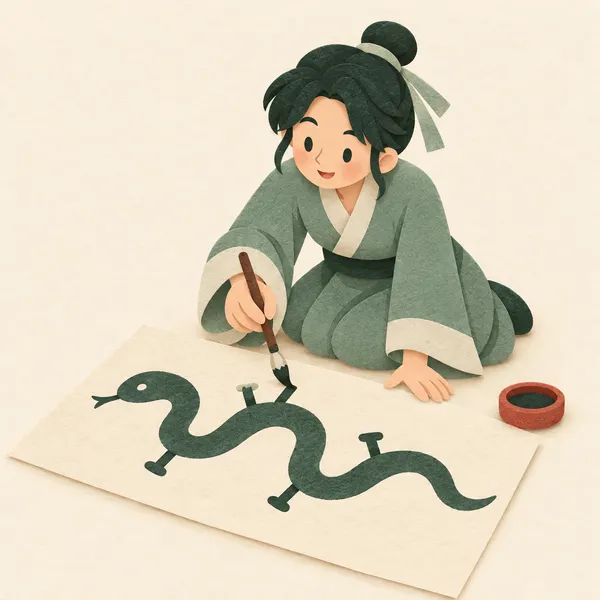 画蛇添足 huà shé tiān zú
Literally: draw legs on a snake
to ruin something by adding what isn't needed
你别再改了,那是画蛇添足。
Nǐ bié zài gǎi le, nà shì huàshétiānzú.
Stop editing, you'll only make it worse. -
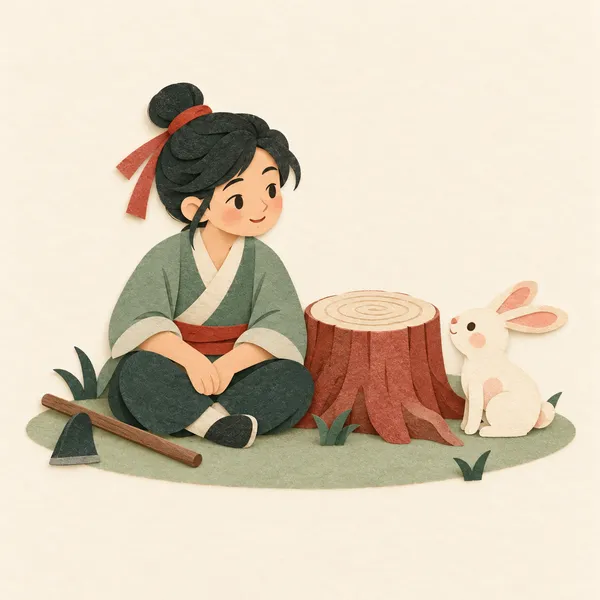 守株待兔 shǒu zhū dài tù
Literally: wait by a stump for a hare
to wait for luck instead of making an effort
好运不会自己来,不能守株待兔。
Hǎoyùn bú huì zìjǐ lái, bù néng shǒuzhūdàitù.
Luck won't come by itself, so don't just sit and wait. -
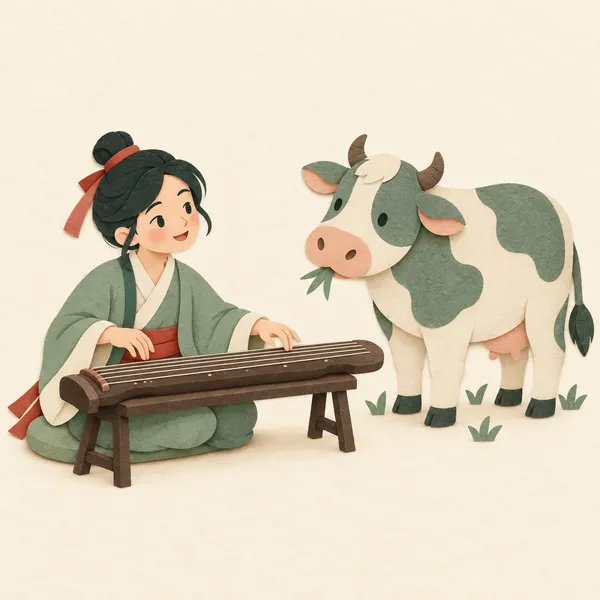 对牛弹琴 duì niú tán qín
Literally: play the zither to a cow
to speak to someone who can't understand
跟他讲道理是对牛弹琴。
Gēn tā jiǎng dàoli shì duìniútánqín.
Reasoning with him is pointless. -
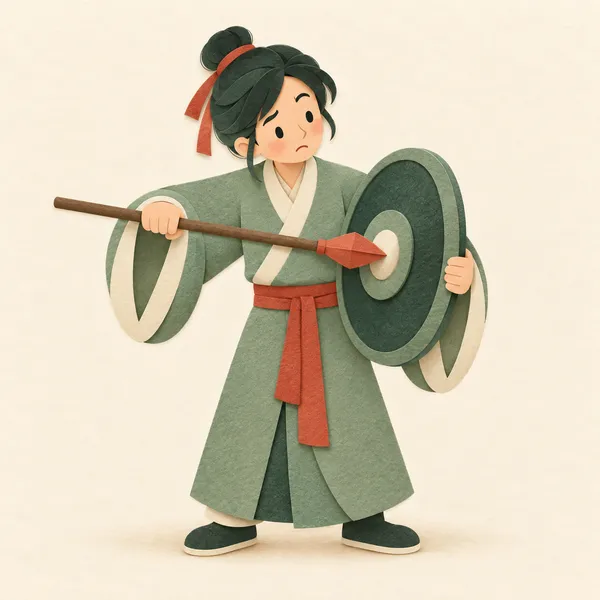 自相矛盾 zì xiāng máo dùn
Literally: one's own spear against one's own shield
to contradict oneself
他说的话自相矛盾。
Tā shuō de huà zìxiāngmáodùn.
What he says contradicts itself. -
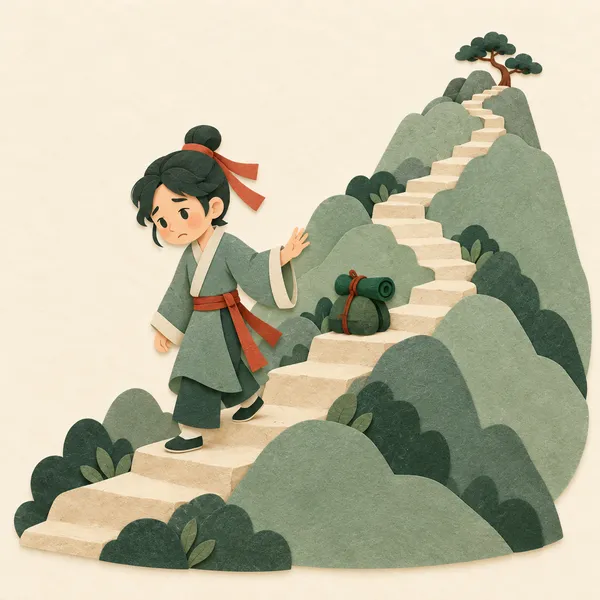 半途而废 bàn tú ér fèi
Literally: give up halfway
to give up halfway
学汉语不要半途而废。
Xué hànyǔ bú yào bàntú'érfèi.
Don't give up on Chinese halfway. -
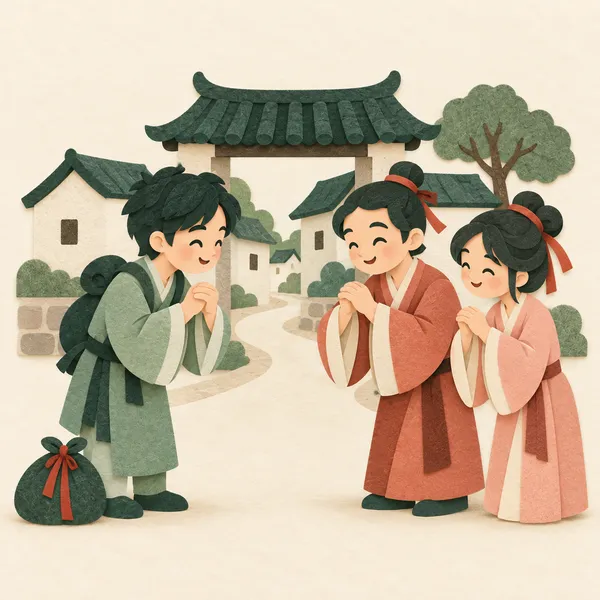 入乡随俗 rù xiāng suí sú
Literally: enter a village, follow its customs
when in Rome, do as the Romans do
到了中国,要入乡随俗。
Dào le zhōngguó, yào rùxiāngsuísú.
In China, follow the local customs. -
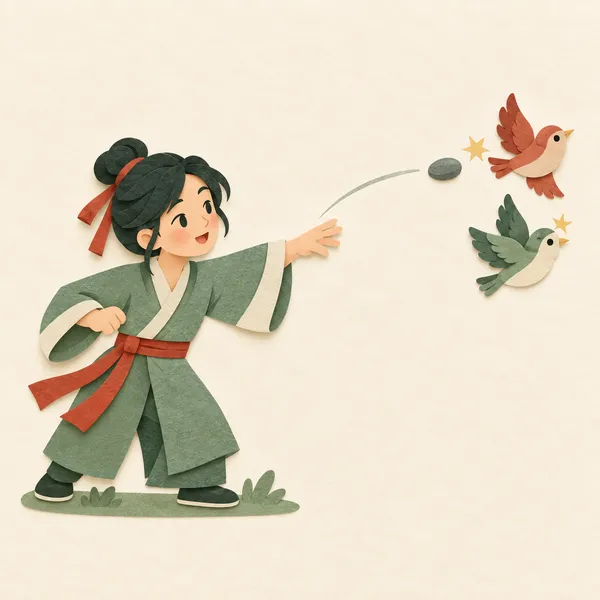 一举两得 yī jǔ liǎng dé
Literally: one move, two gains
to kill two birds with one stone
骑车上班,锻炼身体,一举两得。
Qí chē shàngbān, duànliàn shēntǐ, yìjǔliǎngdé.
Cycling to work is exercise too: two gains in one. -
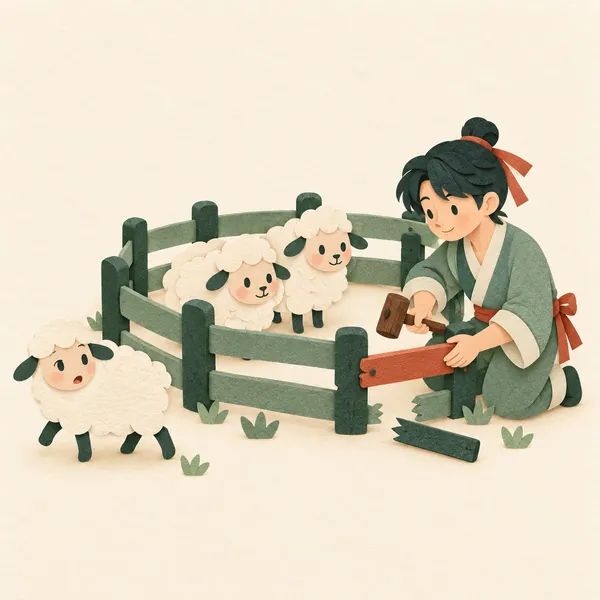 亡羊补牢 wáng yáng bǔ láo
Literally: mend the pen after the sheep is lost
better late than never to fix a problem
现在开始复习,也算亡羊补牢。
Xiànzài kāishǐ fùxí, yě suàn wángyángbǔláo.
Starting to review now is better late than never. -
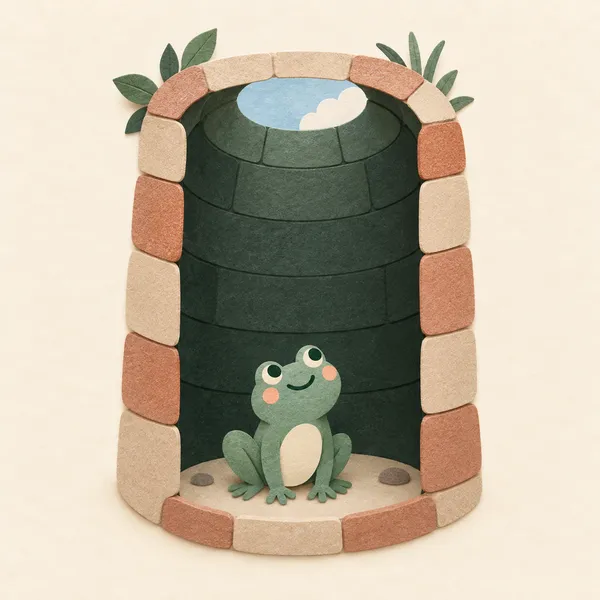 井底之蛙 jǐng dǐ zhī wā
Literally: a frog at the bottom of a well
a person with a narrow view of the world
多出去看看,别做井底之蛙。
Duō chūqù kànkan, bié zuò jǐngdǐzhīwā.
Get out more and don't be a frog in a well. -
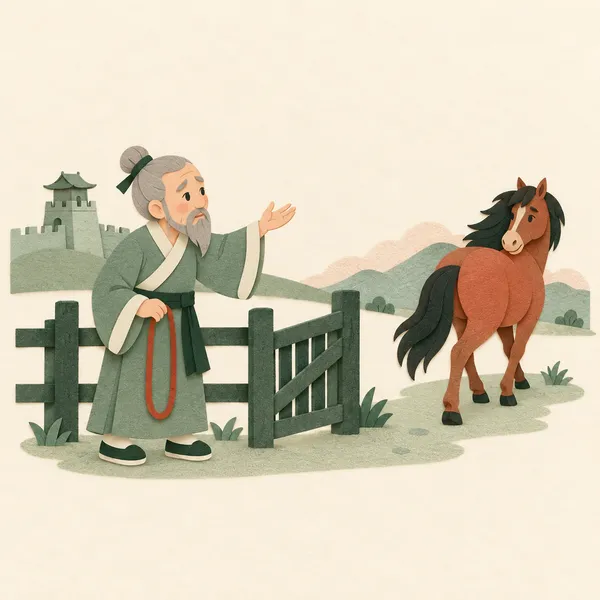 塞翁失马 sài wēng shī mǎ
Literally: the old man at the frontier loses his horse
a blessing in disguise
丢了工作未必是坏事,真是塞翁失马。
Diū le gōngzuò wèibì shì huàishì, zhēn shì sàiwēngshīmǎ.
Losing a job isn't always bad: a blessing in disguise. -
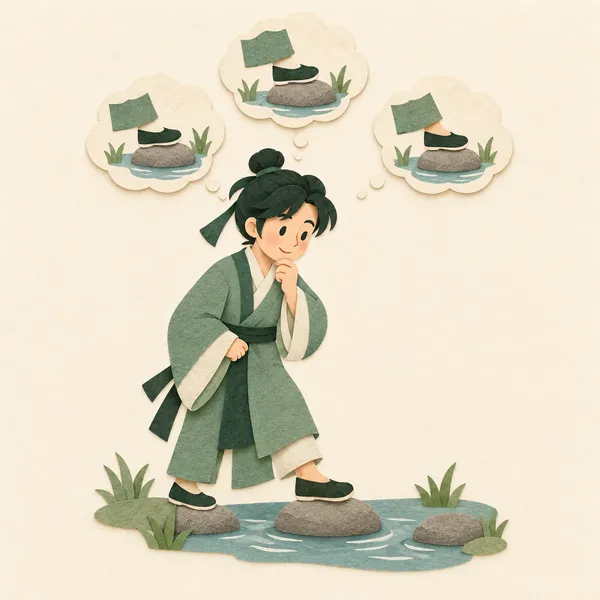 三思而行 sān sī ér xíng
Literally: think three times, then act
to think carefully before acting
买房是大事,要三思而行。
Mǎi fáng shì dàshì, yào sānsī'érxíng.
Buying a home is a big deal, so think twice. -
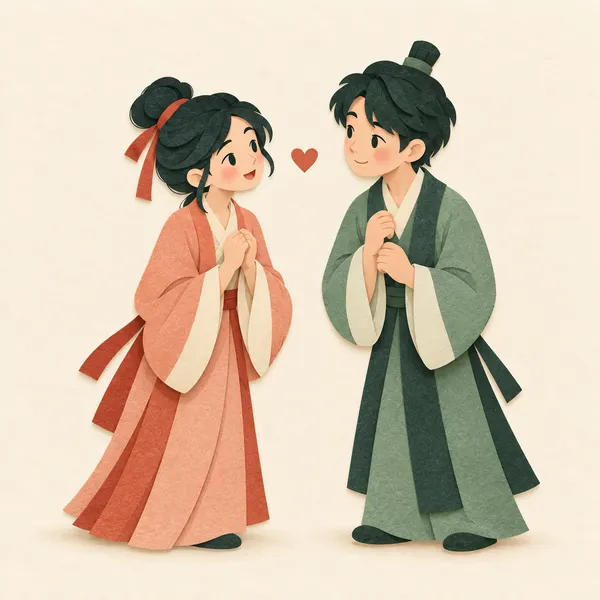 一见钟情 yī jiàn zhōng qíng
Literally: love is set at first sight
love at first sight
他们一见钟情,很快结婚了。
Tāmen yíjiànzhōngqíng, hěn kuài jiéhūn le.
It was love at first sight, and they soon married. -
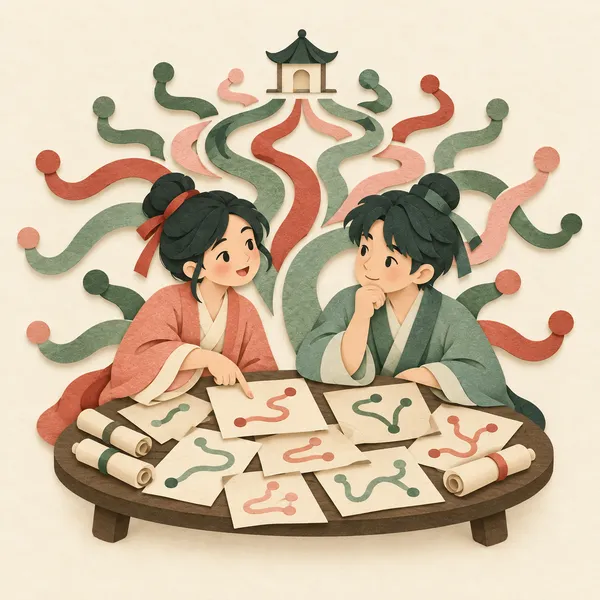 千方百计 qiān fāng bǎi jì
Literally: a thousand ways, a hundred plans
by every possible means
他千方百计想买到票。
Tā qiānfāngbǎijì xiǎng mǎidào piào.
He tried every way to get a ticket. -
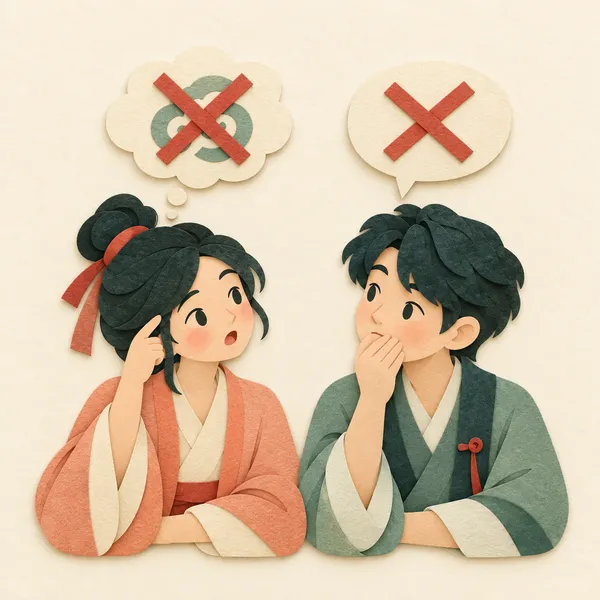 不可思议 bù kě sī yì
Literally: can't be thought of or discussed
unbelievable, incredible
这件事真不可思议!
Zhè jiàn shì zhēn bùkěsīyì!
This is really incredible! -
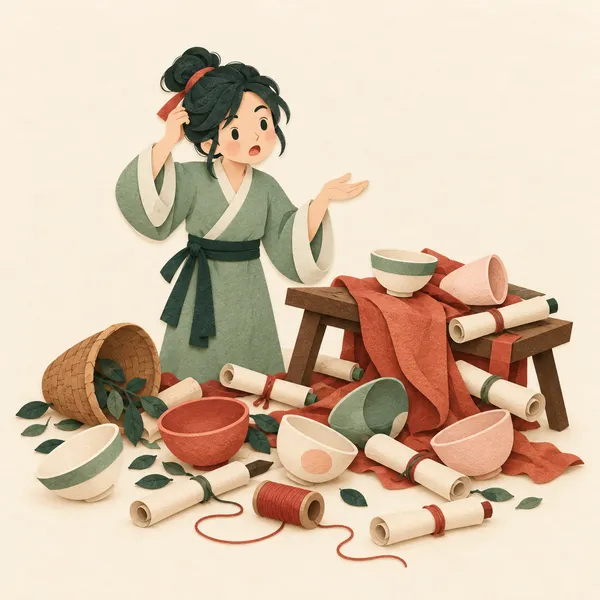 乱七八糟 luàn qī bā zāo
Literally: chaotic seven, eight, mess
a complete mess
他的房间乱七八糟。
Tā de fángjiān luànqībāzāo.
His room is a complete mess. -
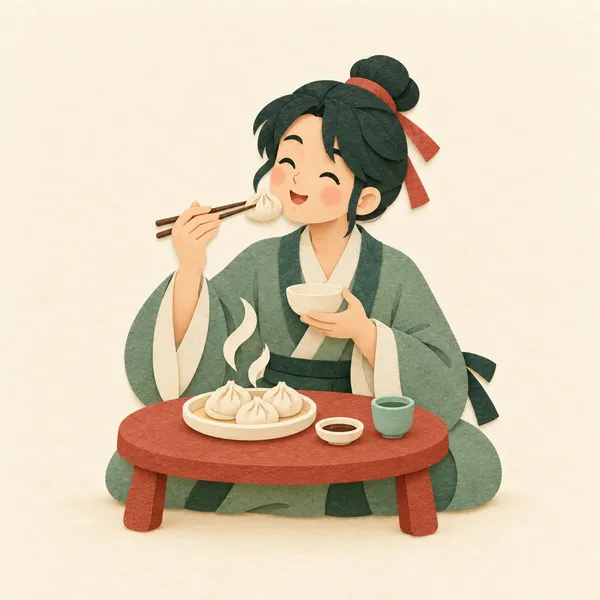 津津有味 jīn jīn yǒu wèi
Literally: with flavour and relish
with great relish
孩子们吃得津津有味。
Háizimen chī de jīnjīnyǒuwèi.
The children are eating with relish. -
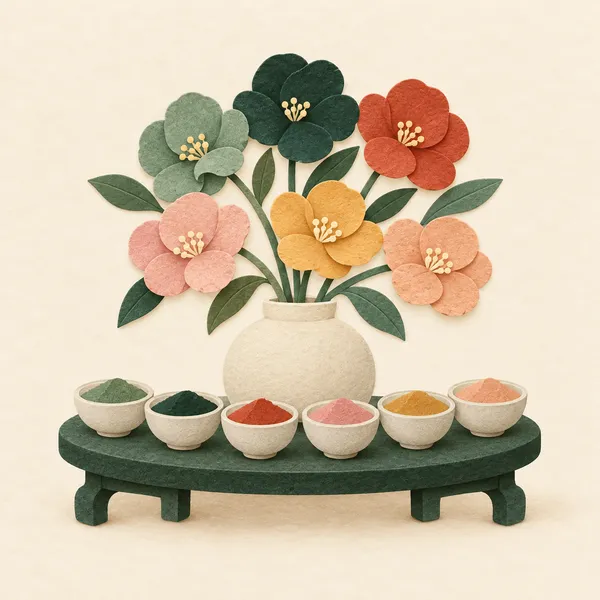 五颜六色 wǔ yán liù sè
Literally: five colours, six hues
colourful, multicoloured
花园里有五颜六色的花。
Huāyuán lǐ yǒu wǔyánliùsè de huā.
The garden is full of colourful flowers. -
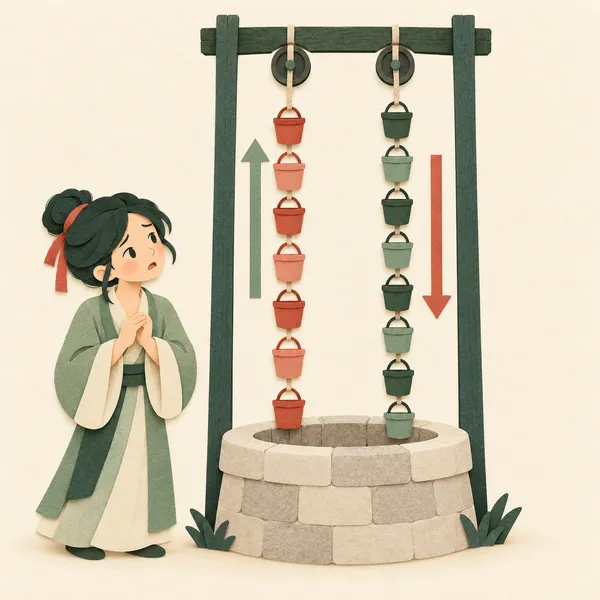 七上八下 qī shàng bā xià
Literally: seven up, eight down
to feel uneasy, on edge
考试前,我心里七上八下。
Kǎoshì qián, wǒ xīn lǐ qīshàngbāxià.
Before the exam I felt on edge. -
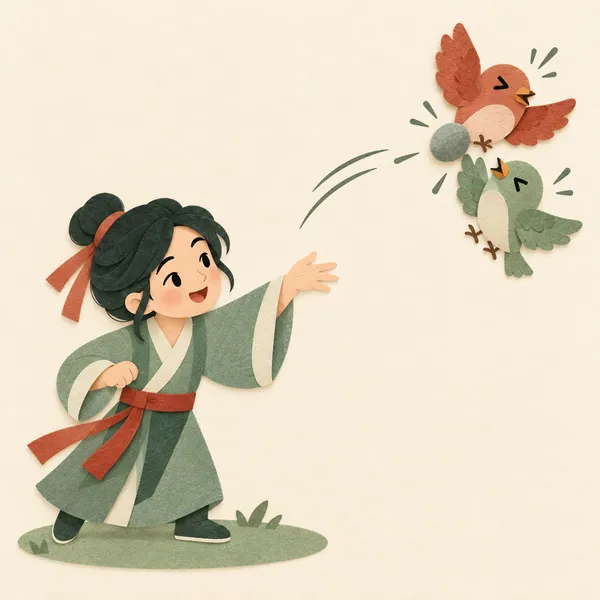 一石二鸟 yī shí èr niǎo
Literally: one stone, two birds
to kill two birds with one stone
这个办法一石二鸟。
Zhè ge bànfǎ yìshí'èrniǎo.
This method solves two problems at once. -
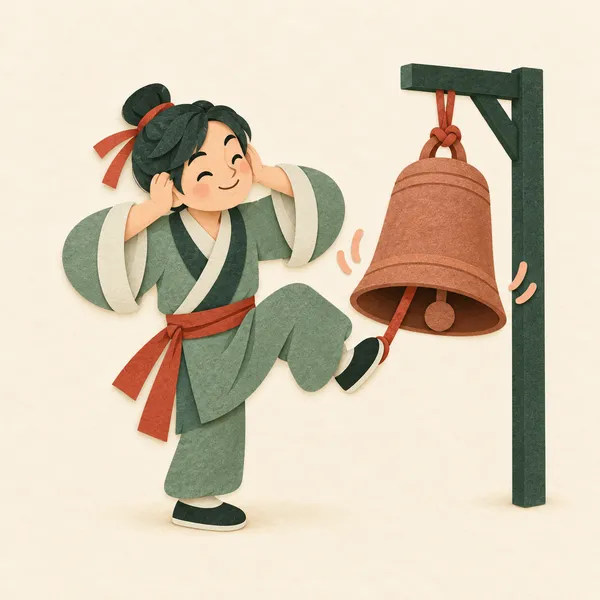 掩耳盗铃 yǎn ěr dào líng
Literally: cover your ears and steal a bell
to deceive oneself
假装没看见是掩耳盗铃。
Jiǎzhuāng méi kànjiàn shì yǎn'ěrdàolíng.
Pretending not to see is fooling yourself. -
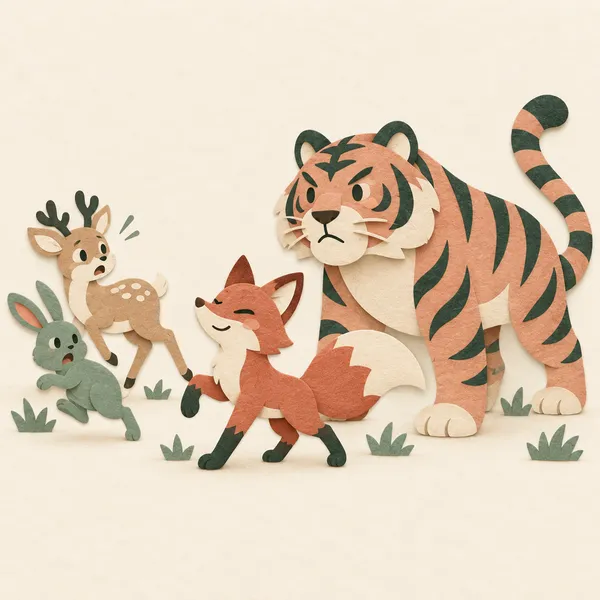 狐假虎威 hú jiǎ hǔ wēi
Literally: the fox borrows the tiger's might
to bully others with a powerful backer's authority
他只是狐假虎威。
Tā zhǐ shì hújiǎhǔwēi.
He's only throwing around someone else's authority. -
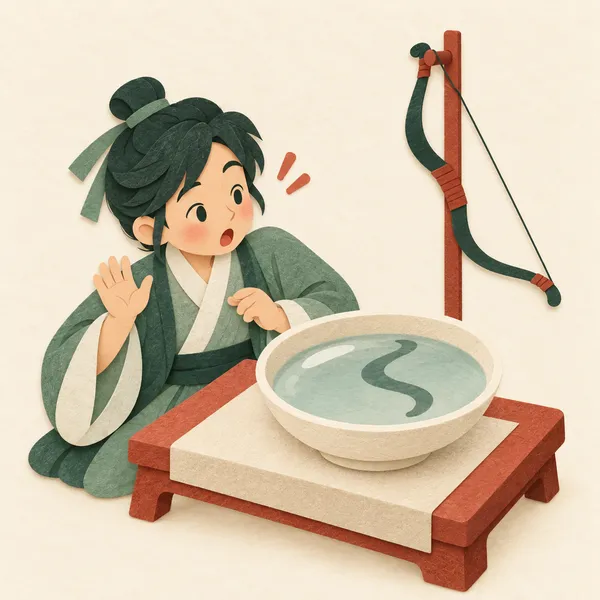 杯弓蛇影 bēi gōng shé yǐng
Literally: a bow's reflection in the cup looks like a snake
to be scared by imaginary dangers
你太紧张了,这是杯弓蛇影。
Nǐ tài jǐnzhāng le, zhè shì bēigōngshéyǐng.
You're too nervous; it's just imagined fear. -
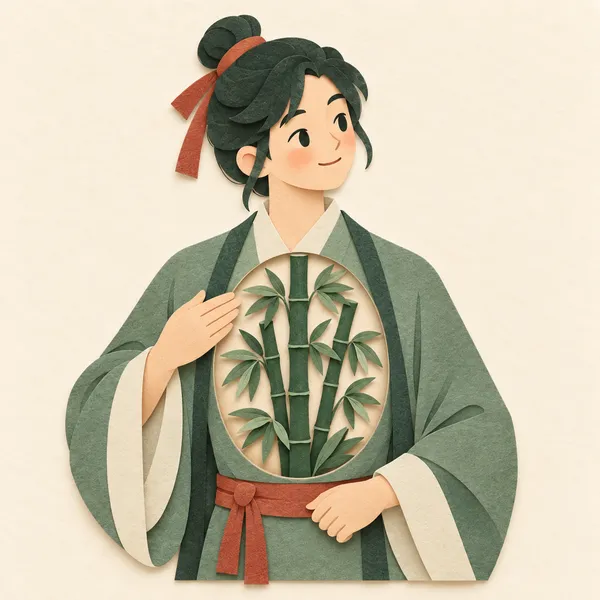 胸有成竹 xiōng yǒu chéng zhú
Literally: a finished bamboo in one's chest
to have a well-thought-out plan, confident
他对考试胸有成竹。
Tā duì kǎoshì xiōngyǒuchéngzhú.
He is confident about the exam. -
 刻舟求剑 kè zhōu qiú jiàn
Literally: mark the boat to find a dropped sword
to cling to outdated methods
时代变了,别再刻舟求剑。
Shídài biàn le, bié zài kèzhōuqiújiàn.
Times have changed, so stop clinging to the old ways. -
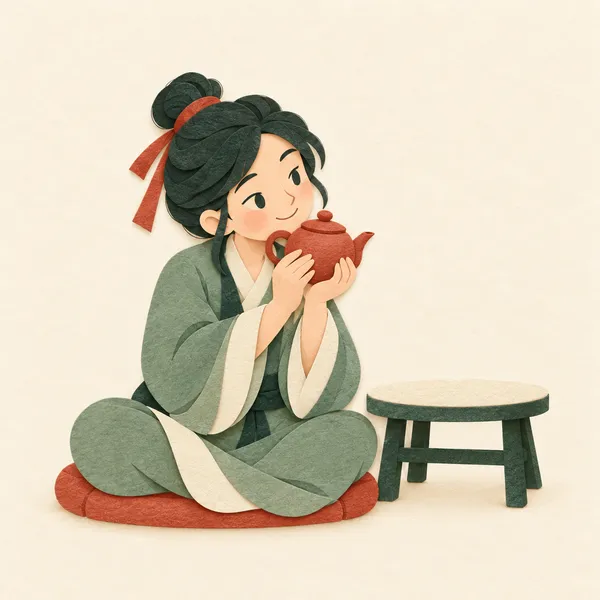 爱不释手 ài bù shì shǒu
Literally: love it too much to put down
to be unable to put something down
这本书我爱不释手。
Zhè běn shū wǒ àibúshìshǒu.
I can't put this book down. -
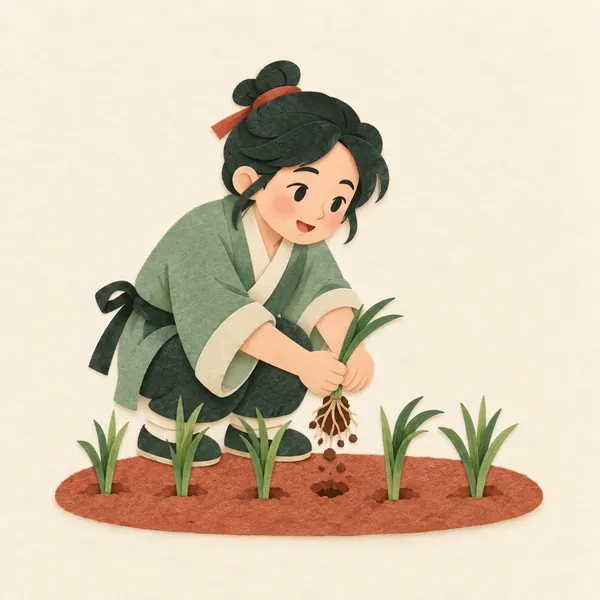 拔苗助长 bá miáo zhù zhǎng
Literally: pull the seedlings to help them grow
to harm something by impatient haste
教孩子不能拔苗助长。
Jiāo háizi bù néng bámiáozhùzhǎng.
Don't rush a child's learning. -
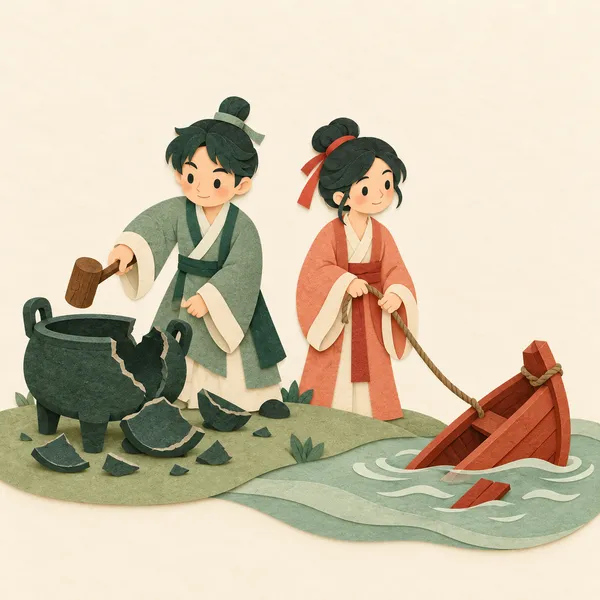 破釜沉舟 pò fǔ chén zhōu
Literally: smash the cauldrons, sink the boats
to burn one's bridges and commit fully
他破釜沉舟,辞职创业。
Tā pòfǔchénzhōu, cízhí chuàngyè.
He burned his bridges: quit and started a business. -
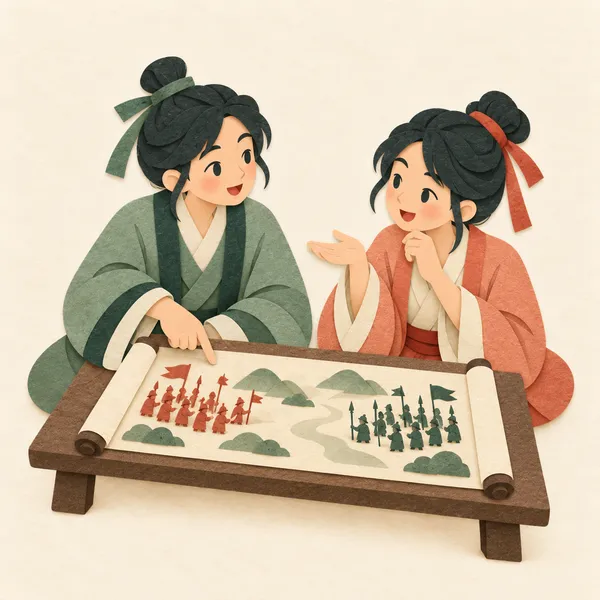 纸上谈兵 zhǐ shàng tán bīng
Literally: talk about war on paper
armchair strategy, theory without practice
只看书不练习是纸上谈兵。
Zhǐ kàn shū bù liànxí shì zhǐshàngtánbīng.
Reading without practising is only theory. -
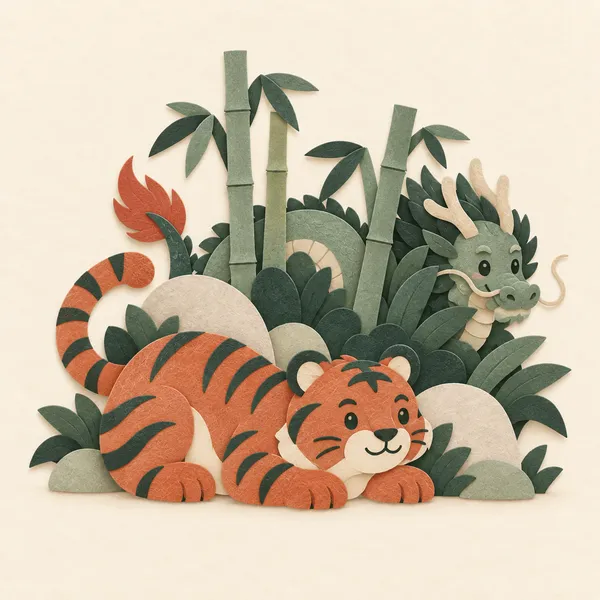 卧虎藏龙 wò hǔ cáng lóng
Literally: a crouching tiger, a hidden dragon
hidden talents
这个公司卧虎藏龙。
Zhè ge gōngsī wòhǔcánglóng.
This company is full of hidden talent. -
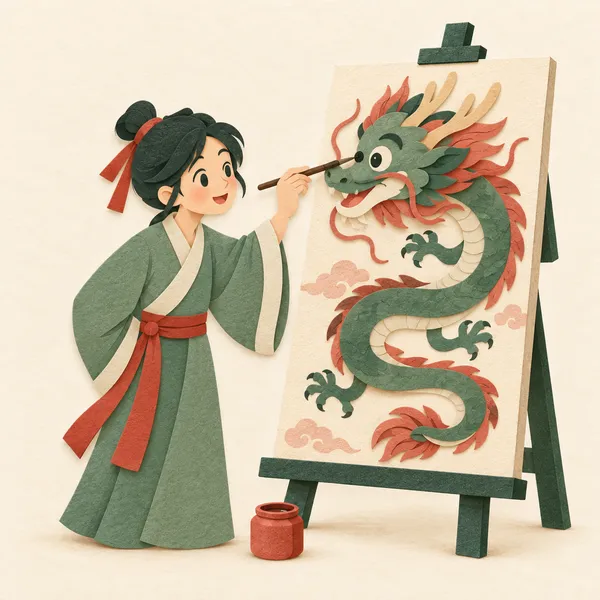 画龙点睛 huà lóng diǎn jīng
Literally: paint a dragon and dot its eyes
the finishing touch that brings it to life
最后这句话是画龙点睛。
Zuìhòu zhè jù huà shì huàlóngdiǎnjīng.
That last sentence is the finishing touch. -
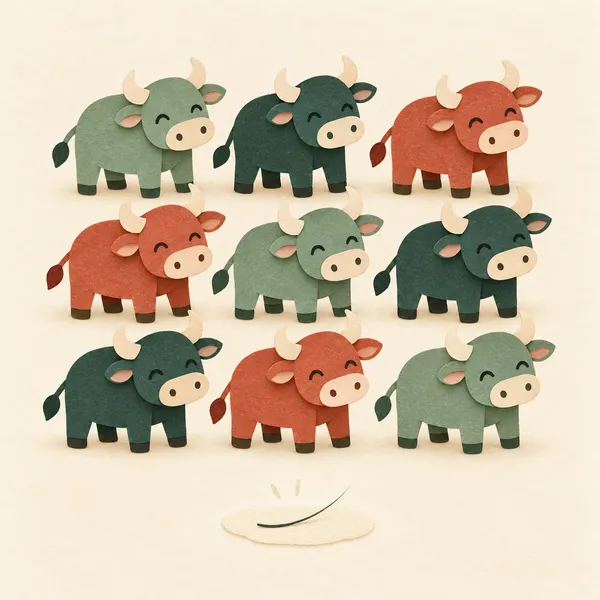 九牛一毛 jiǔ niú yī máo
Literally: one hair from nine oxen
a drop in the ocean
这点钱对他只是九牛一毛。
Zhè diǎn qián duì tā zhǐ shì jiǔniúyìmáo.
That money is a drop in the ocean to him. -
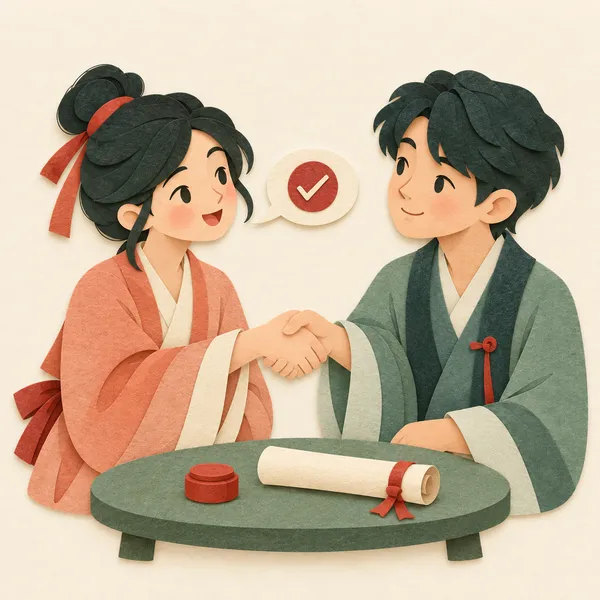 一言为定 yī yán wéi dìng
Literally: one word settles it
it's a deal
明天见,一言为定!
Míngtiān jiàn, yìyánwéidìng!
See you tomorrow, it's a deal! -
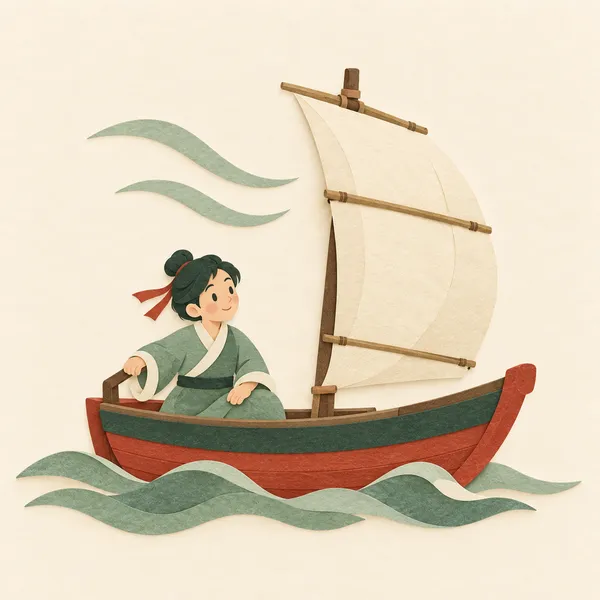 一帆风顺 yī fān fēng shùn
Literally: one sail, a fair wind
smooth sailing
祝你一帆风顺!
Zhù nǐ yìfānfēngshùn!
Wishing you smooth sailing! -
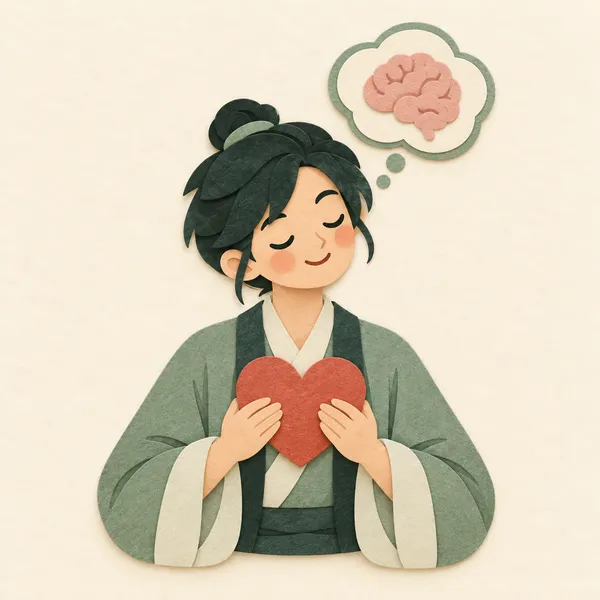 一心一意 yī xīn yī yì
Literally: one heart, one mind
wholeheartedly
她一心一意地学习。
Tā yìxīnyíyì de xuéxí.
She studies with total focus. -
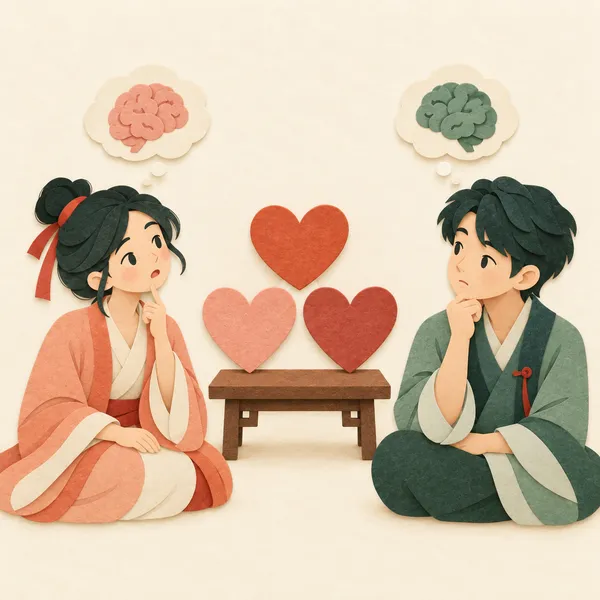 三心二意 sān xīn èr yì
Literally: three hearts, two minds
half-hearted, wavering
学习不能三心二意。
Xuéxí bù néng sānxīn'èryì.
You can't study half-heartedly. -
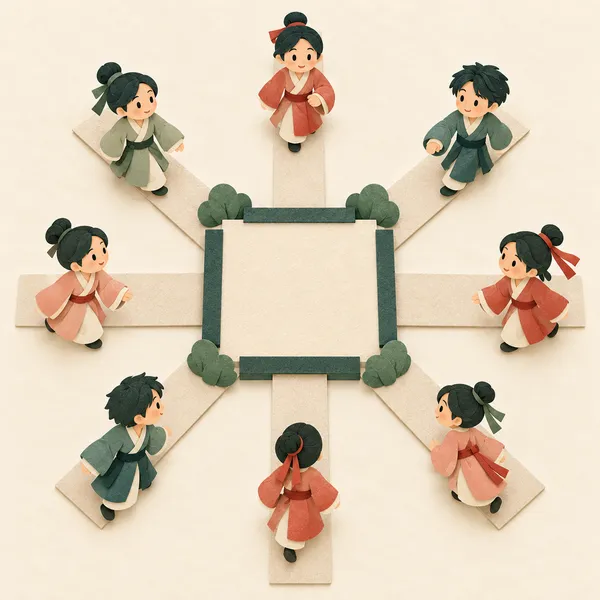 四面八方 sì miàn bā fāng
Literally: four sides, eight directions
from all directions
游客从四面八方来。
Yóukè cóng sìmiànbāfāng lái.
Tourists come from all directions. -
 十全十美 shí quán shí měi
Literally: ten complete, ten beautiful
perfect in every way
没有十全十美的人。
Méiyǒu shíquánshíměi de rén.
Nobody is perfect. -
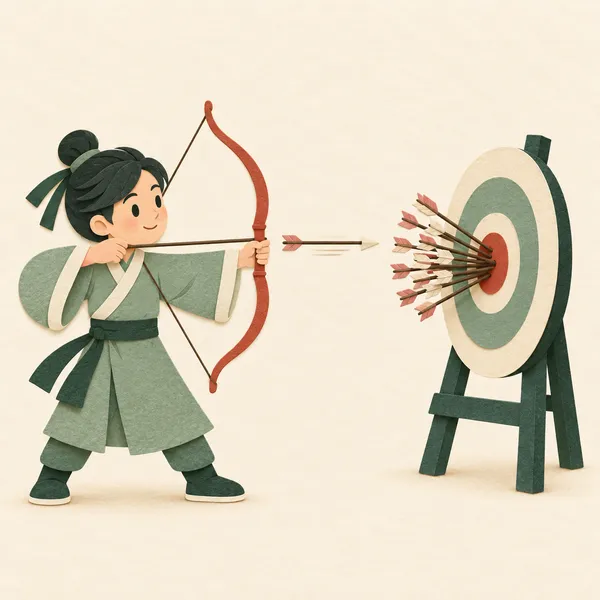 百发百中 bǎi fā bǎi zhòng
Literally: a hundred shots, a hundred hits
to never miss
他射箭百发百中。
Tā shèjiàn bǎifābǎizhòng.
He never misses with a bow. -
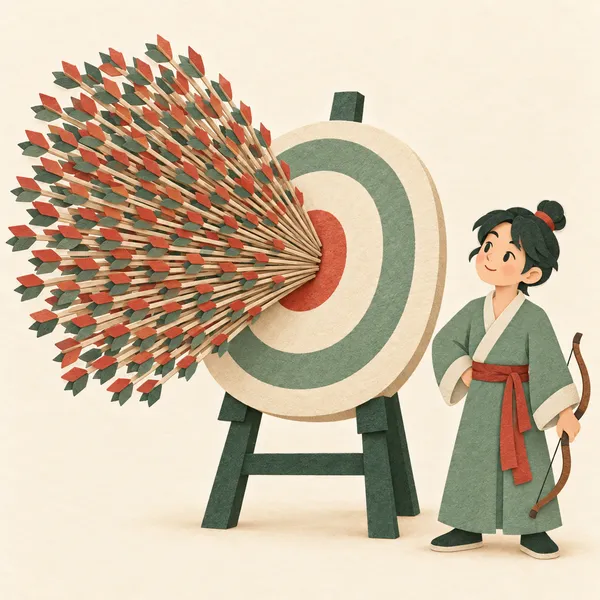 万无一失 wàn wú yī shī
Literally: not one failure in ten thousand
foolproof
这样做万无一失。
Zhèyàng zuò wànwúyìshī.
Do it this way and nothing can go wrong. -
 心甘情愿 xīn gān qíng yuàn
Literally: heart sweet, feelings willing
perfectly willing
他心甘情愿帮助你。
Tā xīngānqíngyuàn bāngzhù nǐ.
He's glad to help you. -
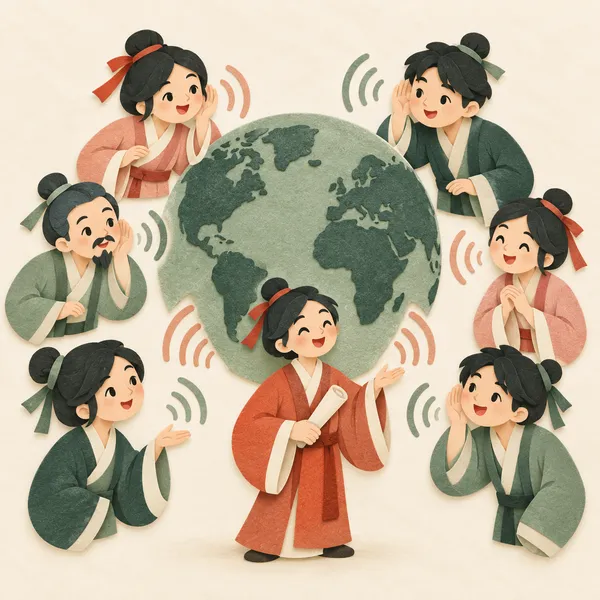 举世闻名 jǔ shì wén míng
Literally: known throughout the world
world-famous
长城是举世闻名的古迹。
Chángchéng shì jǔshìwénmíng de gǔjì.
The Great Wall is a world-famous monument. -
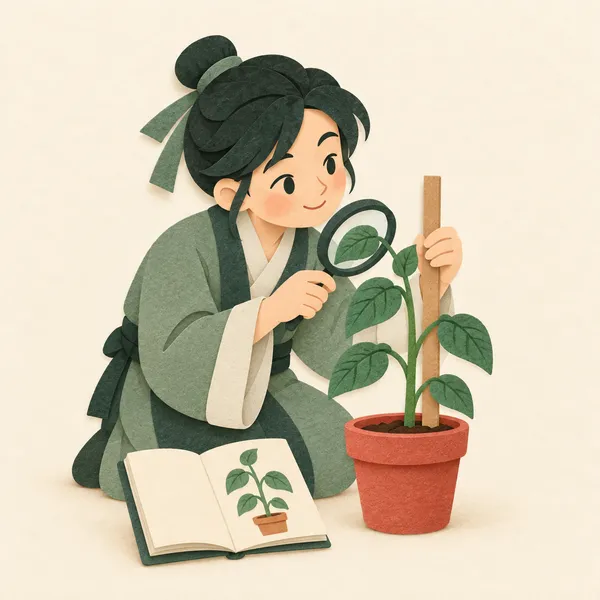 实事求是 shí shì qiú shì
Literally: seek truth from facts
to be realistic, base it on facts
做研究要实事求是。
Zuò yánjiū yào shíshìqiúshì.
Research must stick to the facts. -
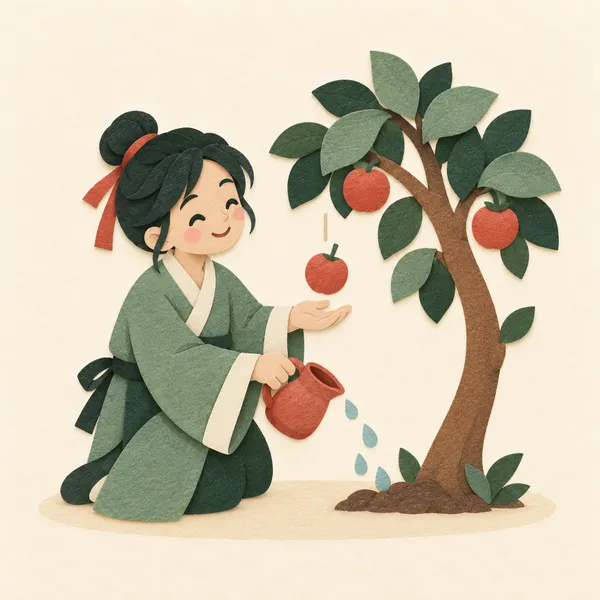 理所当然 lǐ suǒ dāng rán
Literally: by reason, naturally so
only natural, a matter of course
他觉得这是理所当然的。
Tā juéde zhè shì lǐsuǒdāngrán de.
He takes it for granted. -
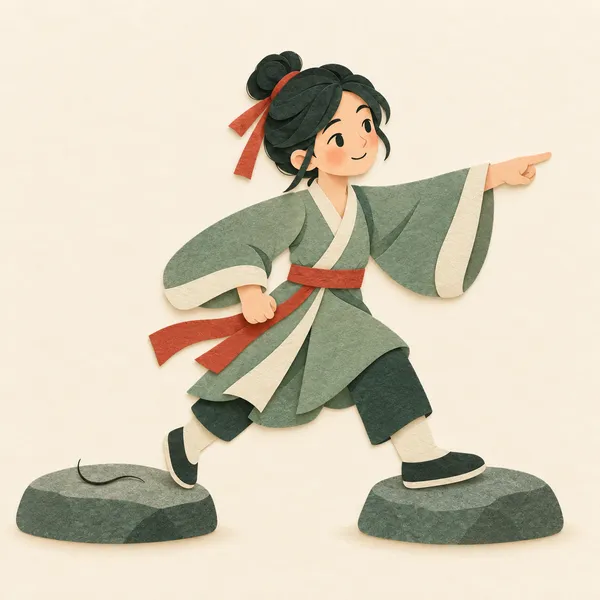 毫不犹豫 háo bù yóu yù
Literally: not a hair of hesitation
without hesitation
她毫不犹豫地答应了。
Tā háobùyóuyù de dāying le.
She agreed without hesitation. -
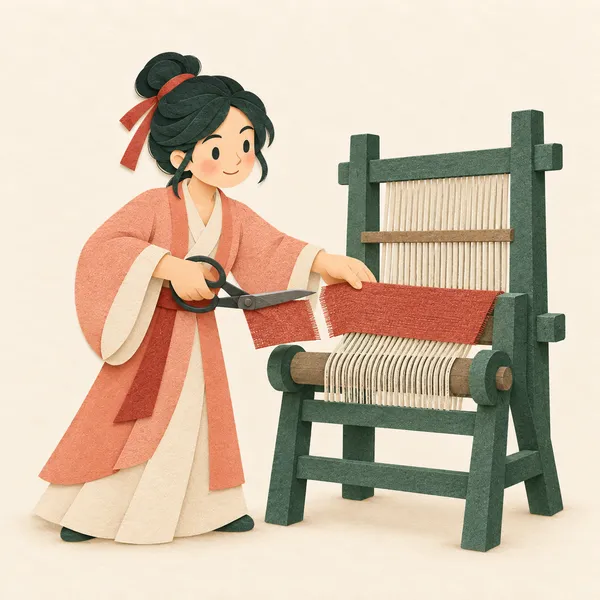 当机立断 dāng jī lì duàn
Literally: decide at once at the right moment
to make a snap decision
他当机立断,关了电源。
Tā dāngjīlìduàn, guān le diànyuán.
He acted at once and cut the power. -
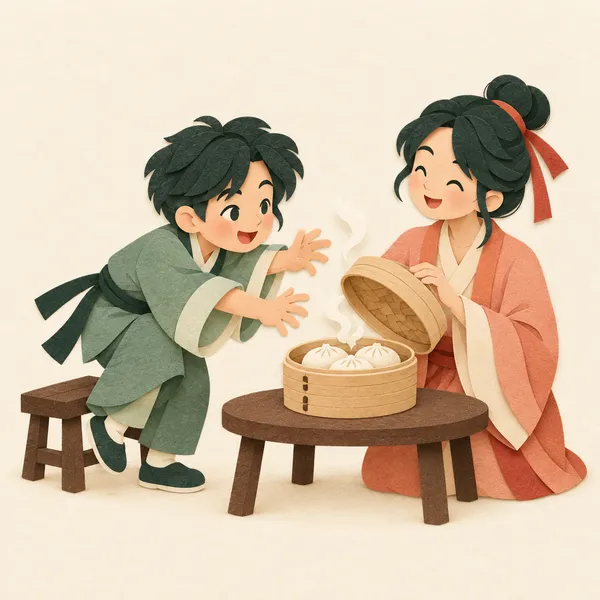 迫不及待 pò bù jí dài
Literally: pressed, unable to wait
can't wait
孩子迫不及待地打开礼物。
Háizi pòbùjídài de dǎkāi lǐwù.
The child couldn't wait to open the present. -
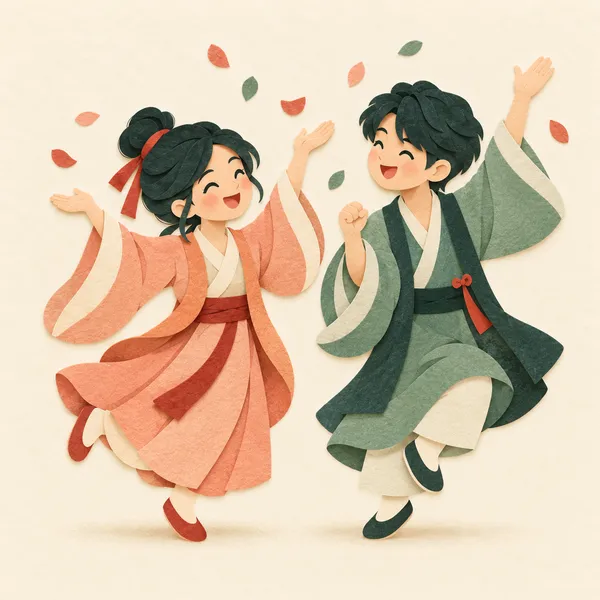 兴高采烈 xìng gāo cǎi liè
Literally: high spirits, bright mood
in high spirits
大家兴高采烈地唱歌。
Dàjiā xìnggāocǎiliè de chànggē.
Everyone sings happily. -
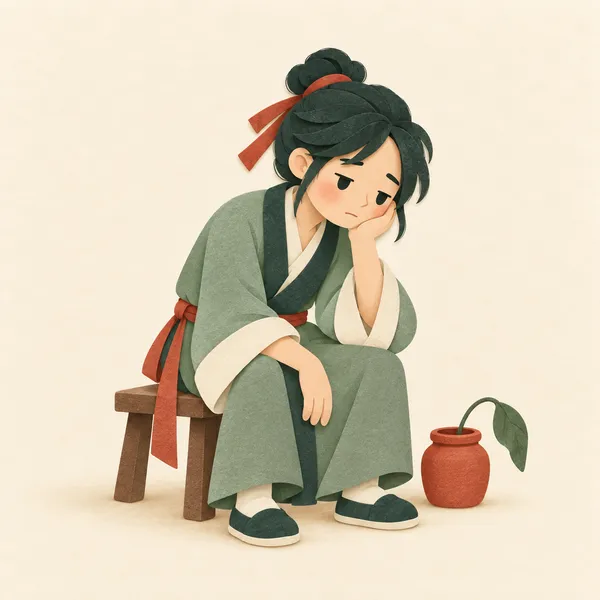 无精打采 wú jīng dǎ cǎi
Literally: no spirit, no sparkle
listless, in low spirits
他今天无精打采。
Tā jīntiān wújīngdǎcǎi.
He's listless today. -
 目瞪口呆 mù dèng kǒu dāi
Literally: eyes wide, mouth open
dumbstruck
听到消息,我目瞪口呆。
Tīngdào xiāoxi, wǒ mùdèngkǒudāi.
I was dumbstruck by the news. -
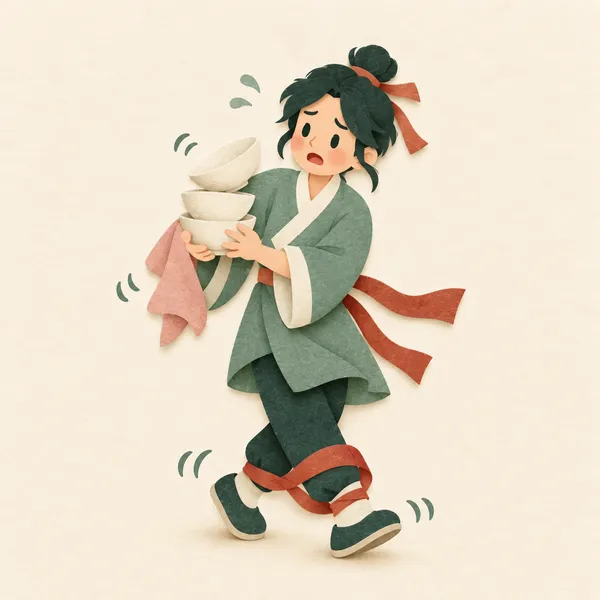 手忙脚乱 shǒu máng jiǎo luàn
Literally: hands busy, feet in a muddle
to be flustered, in a frantic rush
客人突然来了,我手忙脚乱。
Kèrén tūrán lái le, wǒ shǒumángjiǎoluàn.
Guests suddenly arrived and I was in a flap. -
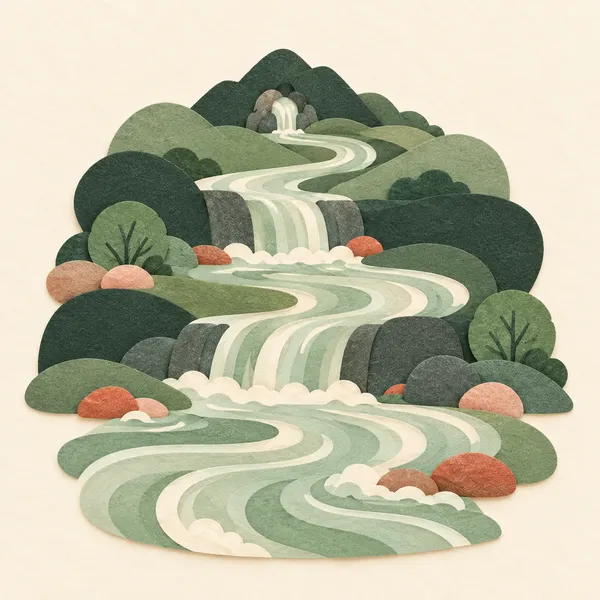 滔滔不绝 tāo tāo bù jué
Literally: flowing on and on without a break
to talk on and on
他说起话来滔滔不绝。
Tā shuōqǐ huà lái tāotāobùjué.
Once he starts talking, he never stops. -
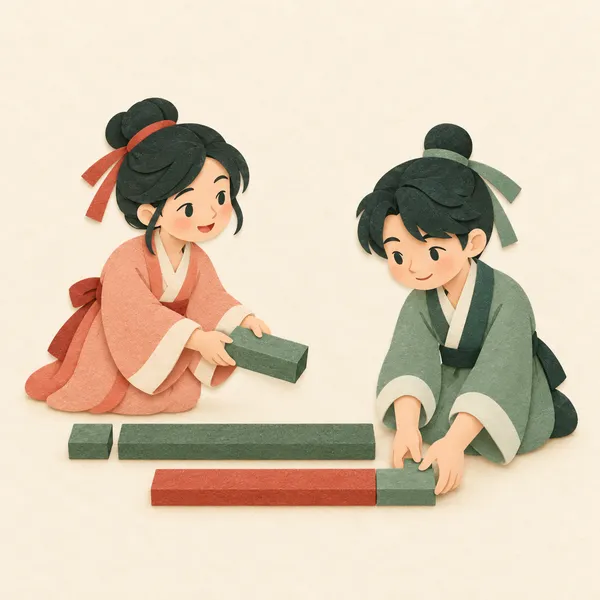 取长补短 qǔ cháng bǔ duǎn
Literally: take strengths to cover weaknesses
to learn from each other's strengths
我们互相取长补短。
Wǒmen hùxiāng qǔchángbǔduǎn.
We make up for each other's weak points. -
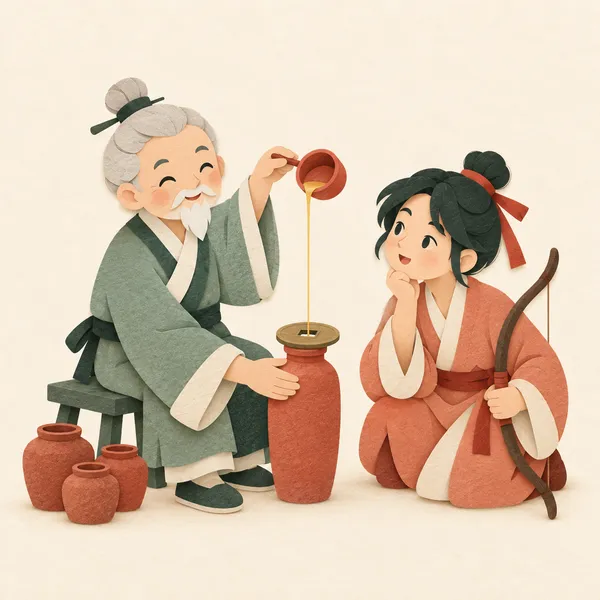 熟能生巧 shú néng shēng qiǎo
Literally: familiarity breeds skill
practice makes perfect
多练习,熟能生巧。
Duō liànxí, shúnéngshēngqiǎo.
Practise more; practice makes perfect. -
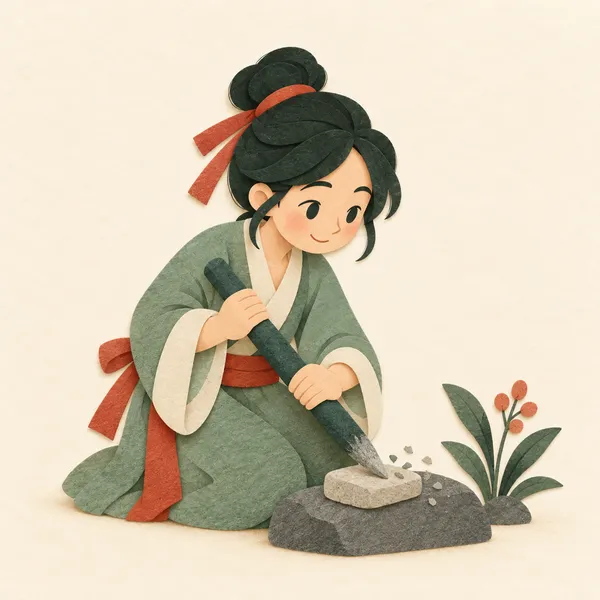 持之以恒 chí zhī yǐ héng
Literally: hold on with constancy
to persevere
学语言要持之以恒。
Xué yǔyán yào chízhīyǐhéng.
Learning a language takes perseverance. -
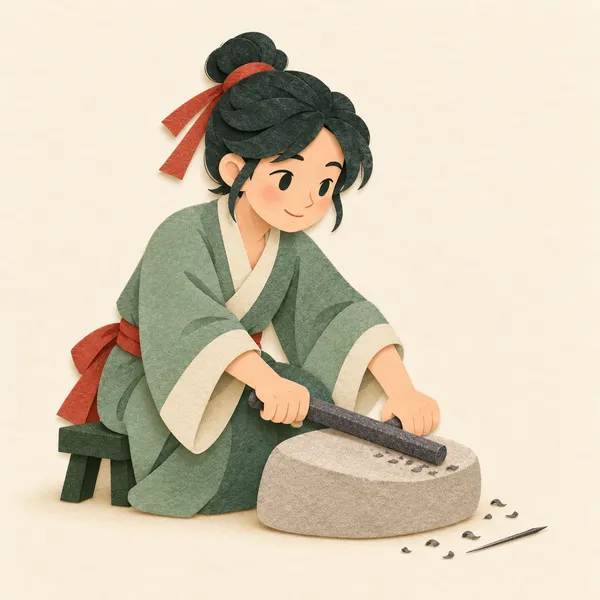 坚持不懈 jiān chí bù xiè
Literally: persist without slackening
to persevere tirelessly
她坚持不懈地练习。
Tā jiānchíbùxiè de liànxí.
She practises tirelessly. -
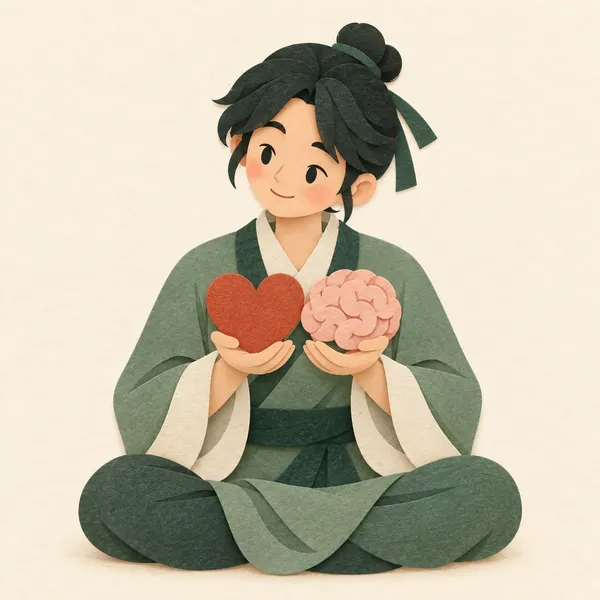 全心全意 quán xīn quán yì
Literally: whole heart, whole mind
wholeheartedly
医生全心全意为病人服务。
Yīshēng quánxīnquányì wèi bìngrén fúwù.
The doctor serves patients wholeheartedly. -
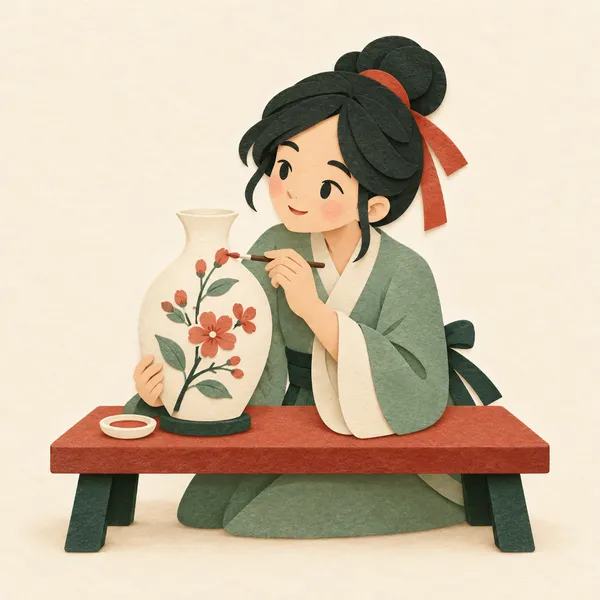 精益求精 jīng yì qiú jīng
Literally: seek better after good
to keep improving, strive for perfection
他对工作精益求精。
Tā duì gōngzuò jīngyìqiújīng.
He always strives to do his work better. -
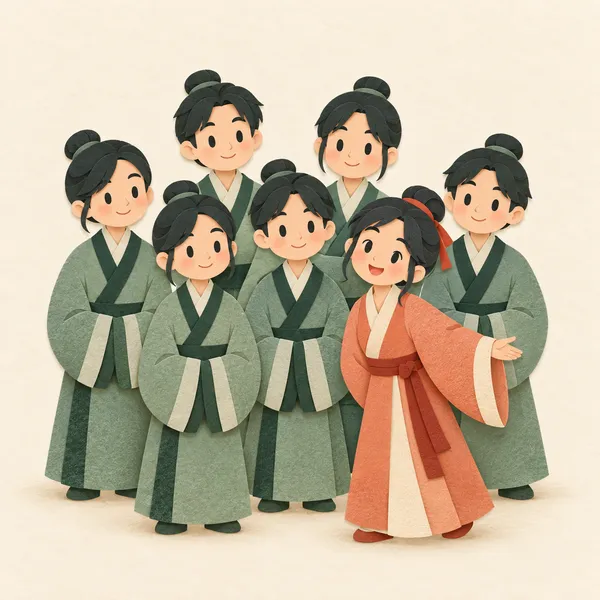 与众不同 yǔ zhòng bù tóng
Literally: unlike the crowd
different from the rest
她的想法与众不同。
Tā de xiǎngfǎ yǔzhòngbùtóng.
Her ideas are different from everyone else's. -
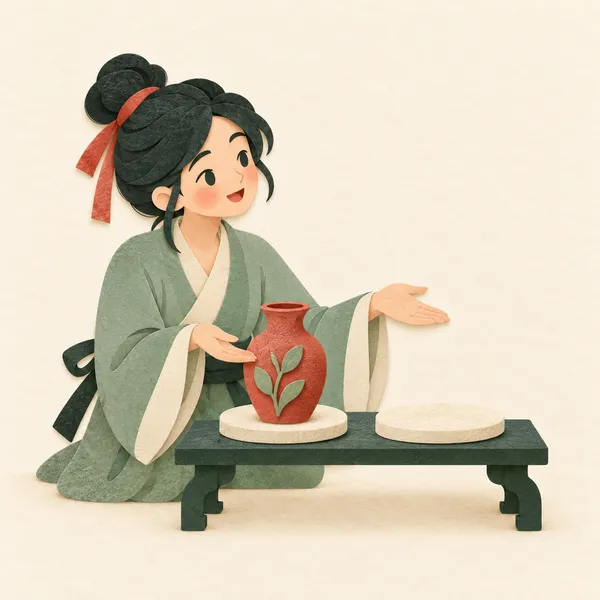 独一无二 dú yī wú èr
Literally: one, with no second
one of a kind
每个人都是独一无二的。
Měi gè rén dōu shì dúyìwú'èr de.
Everyone is one of a kind. -
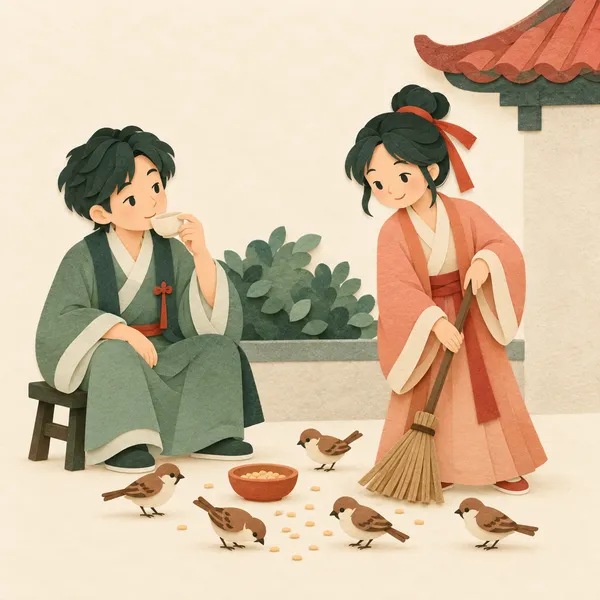 司空见惯 sī kōng jiàn guàn
Literally: seen so often it's ordinary
a common sight
这种事在这里司空见惯。
Zhè zhǒng shì zài zhèlǐ sīkōngjiànguàn.
Such things are common here. -
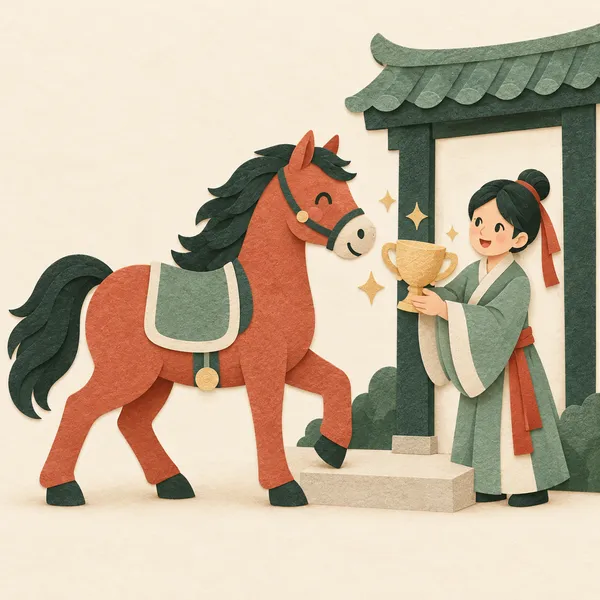 马到成功 mǎ dào chéng gōng
Literally: the horse arrives, success follows
instant success (a wish)
祝你马到成功!
Zhù nǐ mǎdàochénggōng!
Wishing you swift success! -
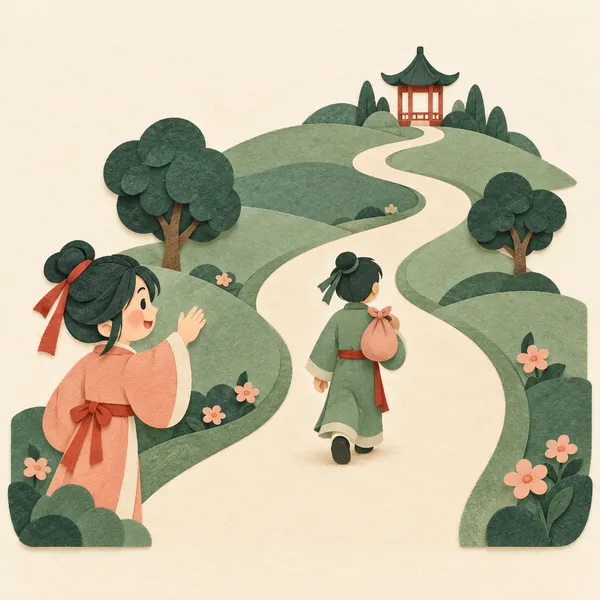 一路平安 yī lù píng ān
Literally: a safe road all the way
bon voyage, safe journey
祝你一路平安!
Zhù nǐ yílùpíng'ān!
Have a safe trip! -
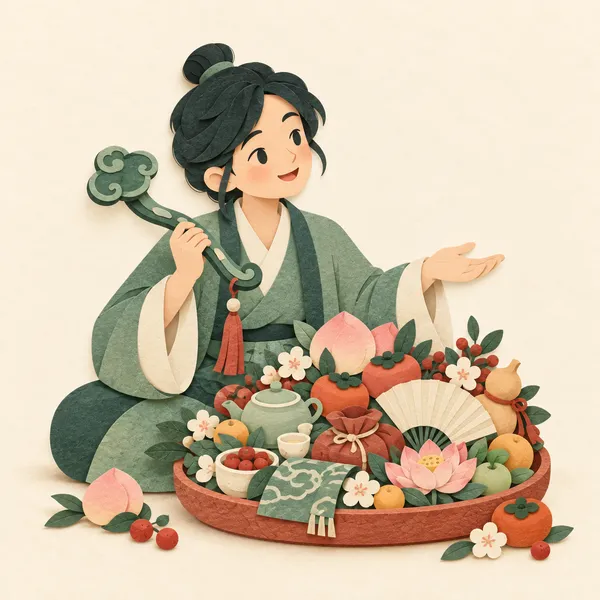 万事如意 wàn shì rú yì
Literally: ten thousand things as you wish
may everything go as you wish
新年快乐,万事如意!
Xīnnián kuàilè, wànshìrúyì!
Happy New Year, may all go well! -
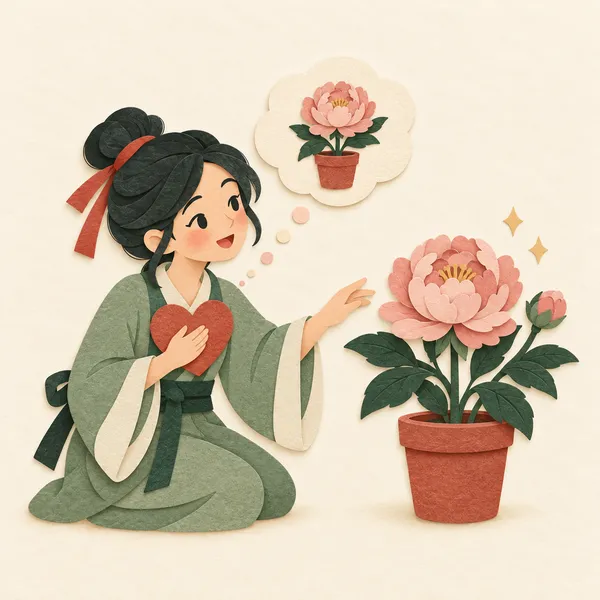 心想事成 xīn xiǎng shì chéng
Literally: what the heart wants comes true
may your wishes come true
祝你心想事成!
Zhù nǐ xīnxiǎngshìchéng!
May all your wishes come true! -
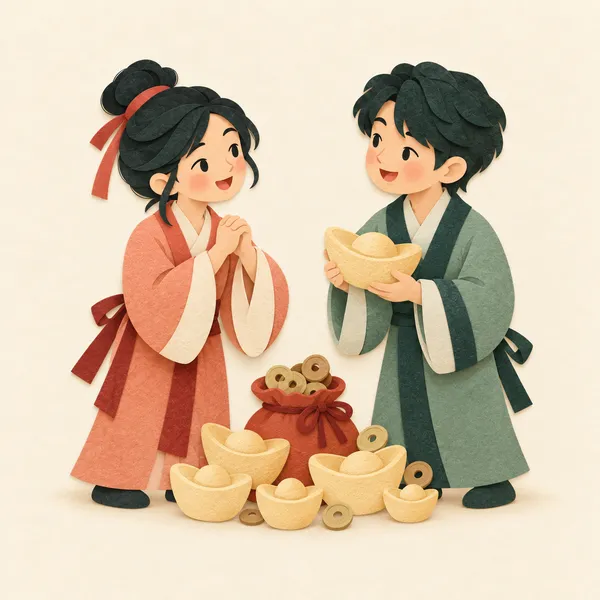 恭喜发财 gōng xǐ fā cái
Literally: congratulations, get rich
wishing you prosperity
新年好,恭喜发财!
Xīnnián hǎo, gōngxǐfācái!
Happy New Year and prosperity! -
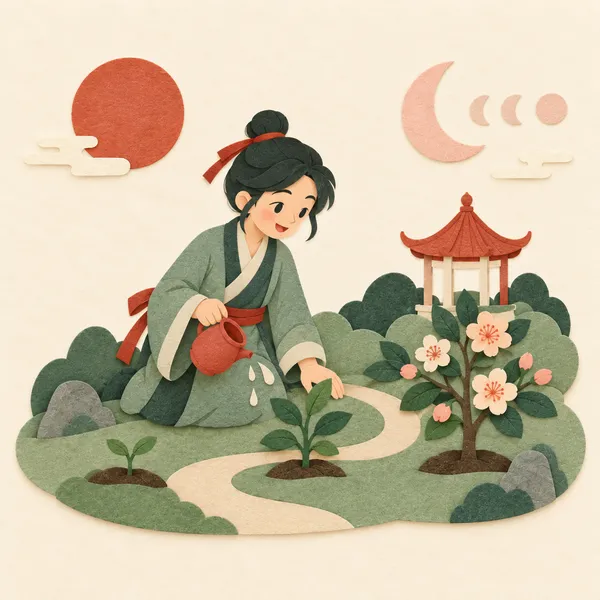 日新月异 rì xīn yuè yì
Literally: new by the day, different by the month
changing rapidly
这座城市日新月异。
Zhè zuò chéngshì rìxīnyuèyì.
This city changes by the day. -
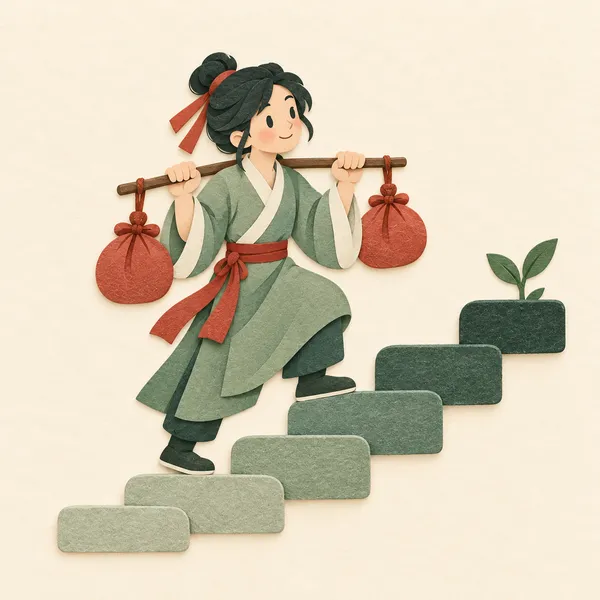 自强不息 zì qiáng bù xī
Literally: strengthen yourself without rest
to strive constantly to improve
我们要自强不息。
Wǒmen yào zìqiángbùxī.
We must keep striving to improve. -
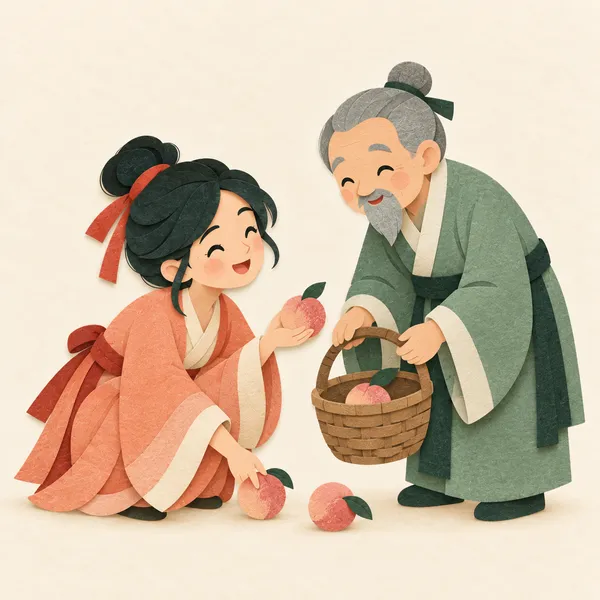 助人为乐 zhù rén wéi lè
Literally: find joy in helping others
to take pleasure in helping others
他以助人为乐。
Tā yǐ zhùrénwéilè.
He enjoys helping others. -
 见多识广 jiàn duō shí guǎng
Literally: seen much, knows widely
experienced and well-informed
她走过很多地方,见多识广。
Tā zǒuguo hěn duō dìfang, jiànduōshíguǎng.
She has travelled widely and knows a lot. -
 博大精深 bó dà jīng shēn
Literally: broad and profound
vast and profound
中国文化博大精深。
Zhōngguó wénhuà bódàjīngshēn.
Chinese culture is vast and profound. -
 源远流长 yuán yuǎn liú cháng
Literally: distant source, long stream
with a long history
汉字的历史源远流长。
Hànzì de lìshǐ yuányuǎnliúcháng.
Chinese characters have a long history. -
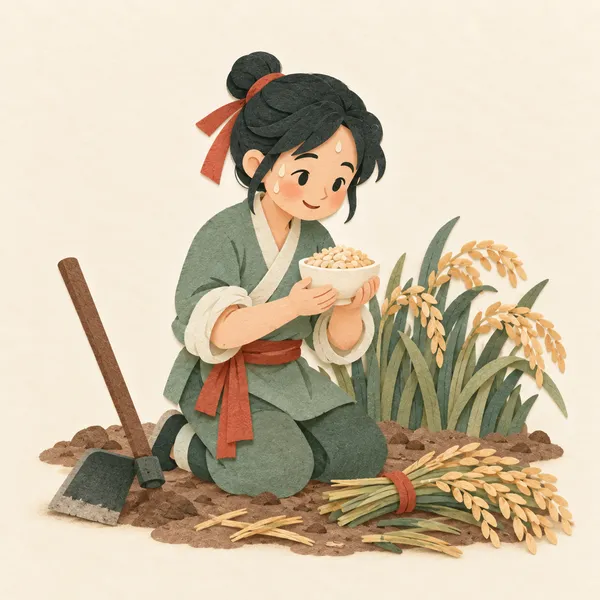 来之不易 lái zhī bù yì
Literally: did not come easily
hard-won
成绩来之不易。
Chéngjì láizhībúyì.
The result was hard-won. -
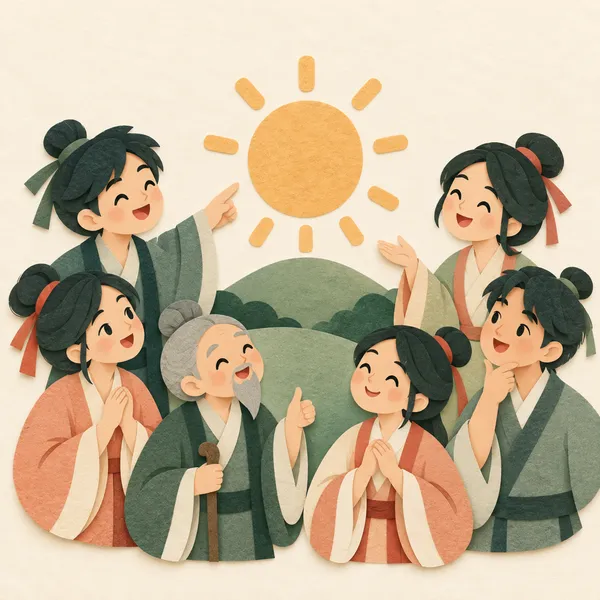 众所周知 zhòng suǒ zhōu zhī
Literally: what everyone knows
as everyone knows
众所周知,北京是首都。
Zhòngsuǒzhōuzhī, běijīng shì shǒudū.
As everyone knows, Beijing is the capital. -
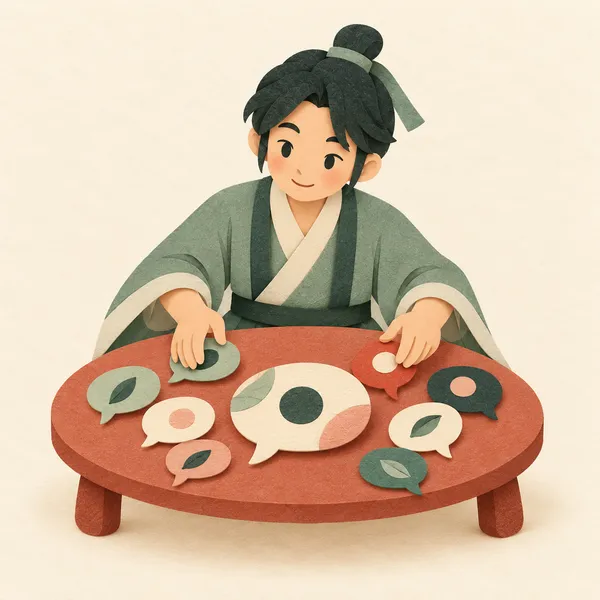 总而言之 zǒng ér yán zhī
Literally: to put it all together
in short, in a word
总而言之,我同意。
Zǒng'éryánzhī, wǒ tóngyì.
In short, I agree. -
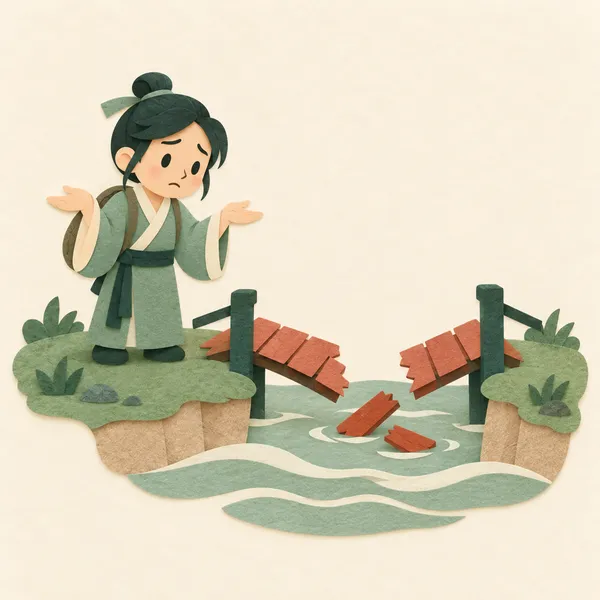 无可奈何 wú kě nài hé
Literally: nothing can be done
helpless, no way out
他无可奈何地笑了。
Tā wúkěnàihé de xiào le.
He gave a helpless smile. -
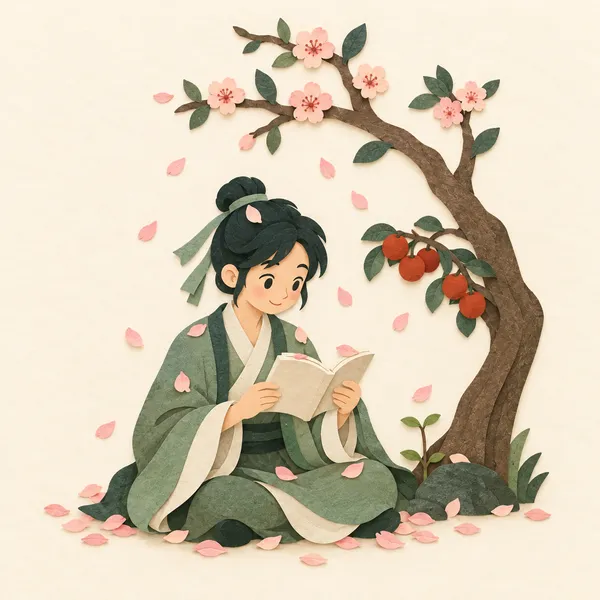 不知不觉 bù zhī bù jué
Literally: not knowing, not noticing
unconsciously, before one knows it
不知不觉,天黑了。
Bùzhībùjué, tiān hēi le.
Before we knew it, it was dark. -
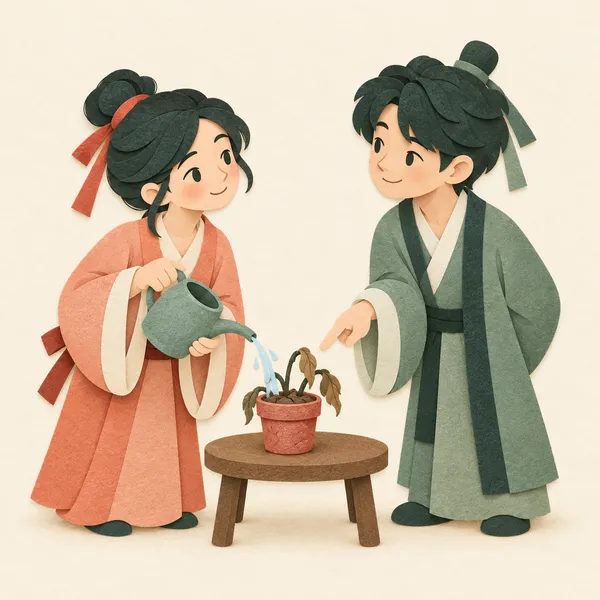 不言而喻 bù yán ér yù
Literally: clear without saying
self-evident
这个道理不言而喻。
Zhè ge dàoli bùyán'éryù.
This is self-evident. -
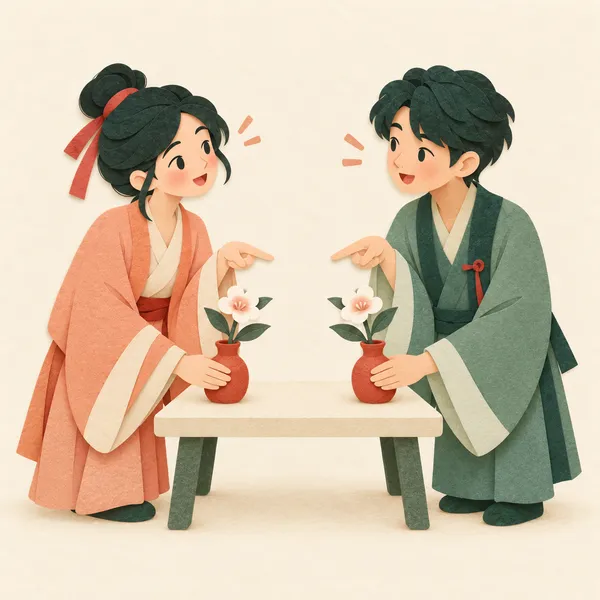 不约而同 bù yuē ér tóng
Literally: coincide without agreeing beforehand
to act in unison without prior arrangement
大家不约而同地笑了。
Dàjiā bùyuē'értóng de xiào le.
Everyone laughed at the same moment. -
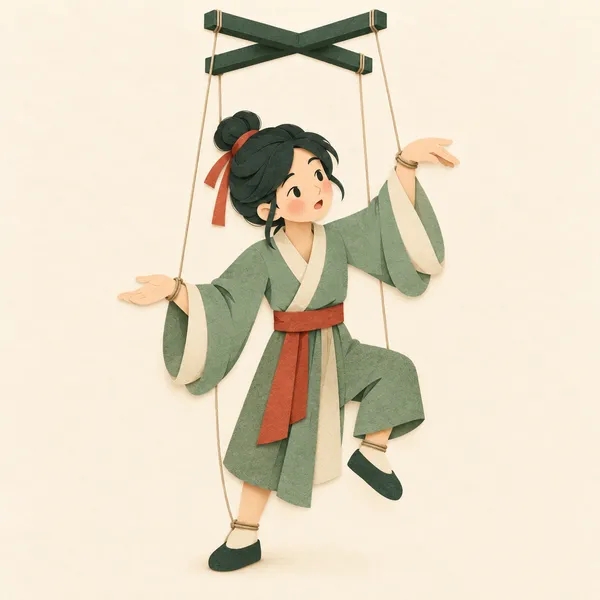 不由自主 bù yóu zì zhǔ
Literally: not under one's own control
involuntarily
我不由自主地哭了。
Wǒ bùyóuzìzhǔ de kū le.
I burst into tears involuntarily. -
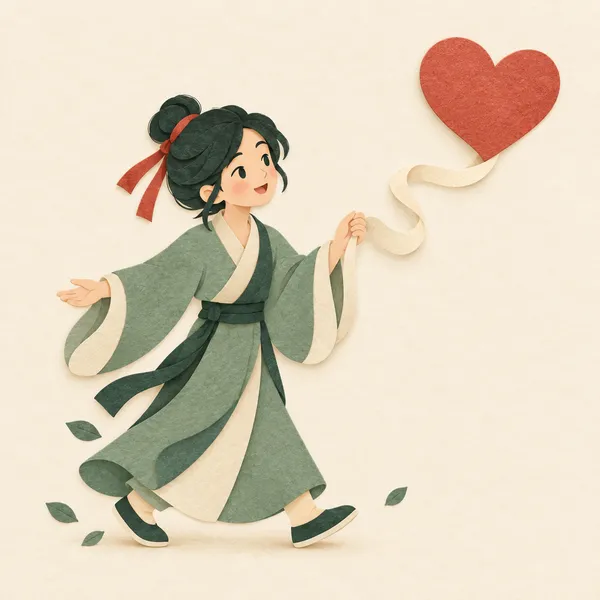 随心所欲 suí xīn suǒ yù
Literally: follow what the heart wants
to do as one pleases
在这里不能随心所欲。
Zài zhèlǐ bù néng suíxīnsuǒyù.
You can't do whatever you like here. -
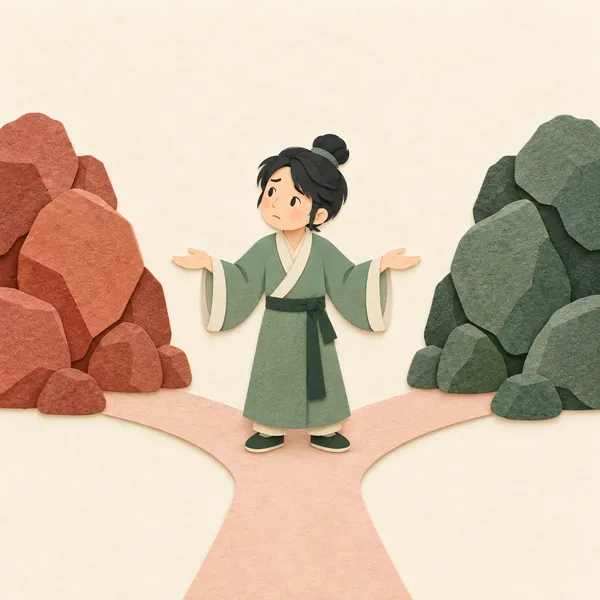 左右为难 zuǒ yòu wéi nán
Literally: hard on the left, hard on the right
caught in a dilemma
两个都好,我左右为难。
Liǎng gè dōu hǎo, wǒ zuǒyòuwéinán.
Both are good, and I can't choose. -
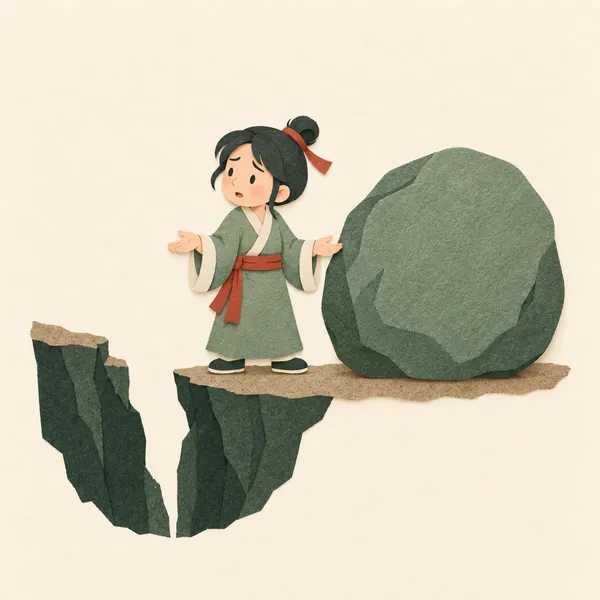 进退两难 jìn tuì liǎng nán
Literally: hard to advance or retreat
stuck between a rock and a hard place
我现在进退两难。
Wǒ xiànzài jìntuìliǎngnán.
I'm in a bind right now. -
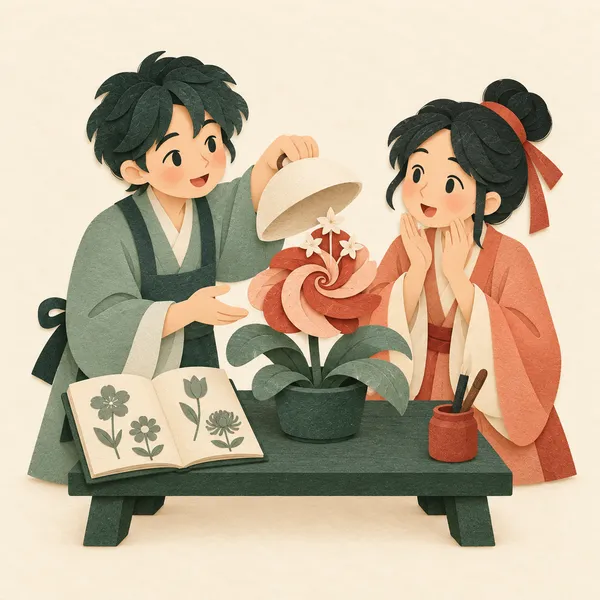 前所未有 qián suǒ wèi yǒu
Literally: never existed before
unprecedented
这是前所未有的机会。
Zhè shì qiánsuǒwèiyǒu de jīhuì.
This is an unprecedented opportunity. -
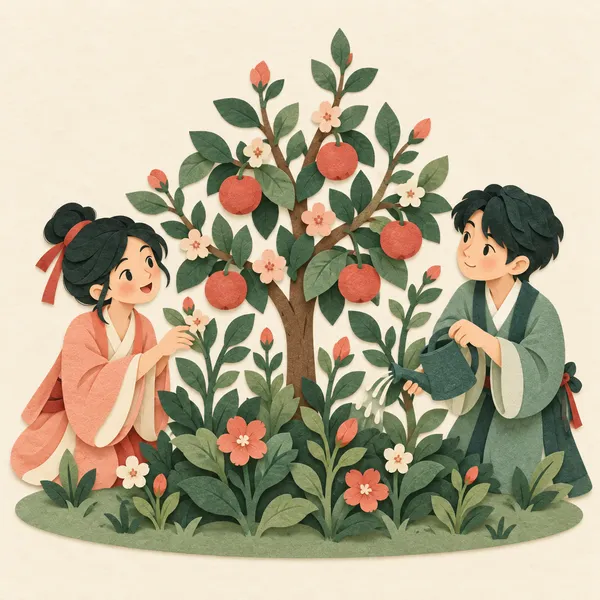 欣欣向荣 xīn xīn xiàng róng
Literally: joyfully heading for flourishing
thriving, flourishing
市场欣欣向荣。
Shìchǎng xīnxīnxiàngróng.
The market is thriving. -
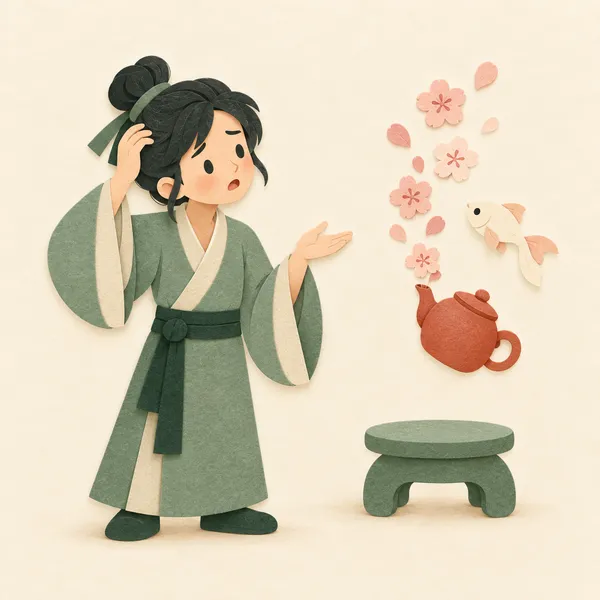 莫名其妙 mò míng qí miào
Literally: can't name what's so strange
baffling, for no reason at all
他莫名其妙地生气了。
Tā mòmíngqímiào de shēngqì le.
He got angry for no reason. -
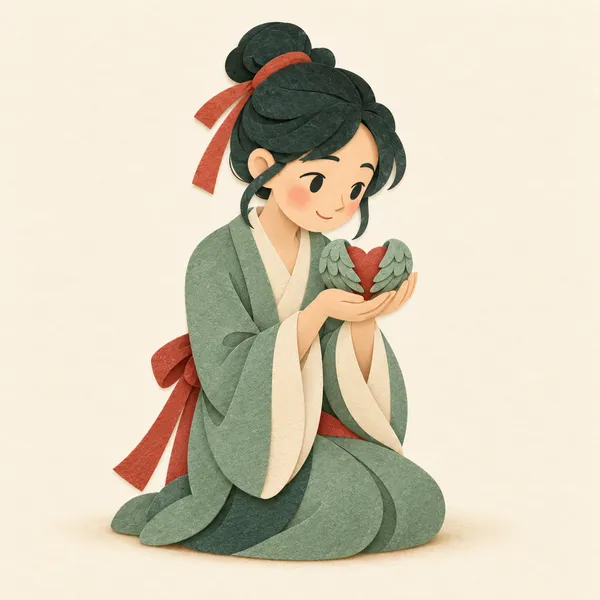 小心翼翼 xiǎo xīn yì yì
Literally: carefully, like folded wings
very carefully
她小心翼翼地走过去。
Tā xiǎoxīnyìyì de zǒuguòqù.
She walked over very carefully. -
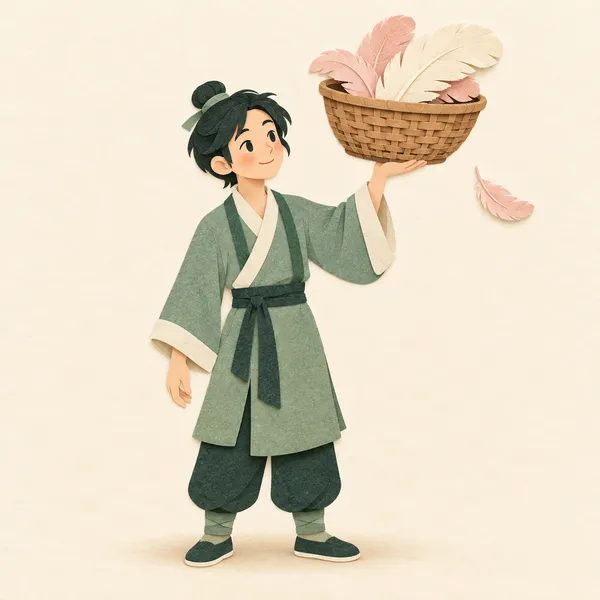 轻而易举 qīng ér yì jǔ
Literally: light and easy to lift
easy, effortless
这对他轻而易举。
Zhè duì tā qīng'éryìjǔ.
This is easy for him. -
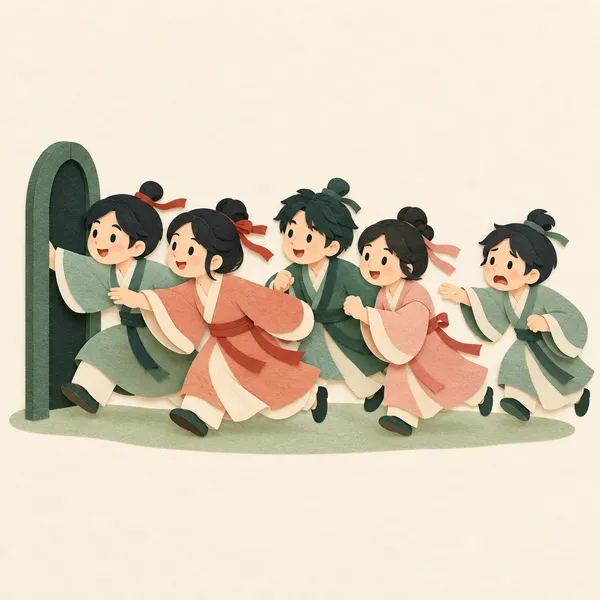 争先恐后 zhēng xiān kǒng hòu
Literally: fight to be first, fear being last
to scramble to be first
大家争先恐后地上车。
Dàjiā zhēngxiānkǒnghòu de shàng chē.
Everyone scrambles to get on the bus. -
 自言自语 zì yán zì yǔ
Literally: talk to oneself
to talk to oneself
他常常自言自语。
Tā chángcháng zìyánzìyǔ.
He often talks to himself. -
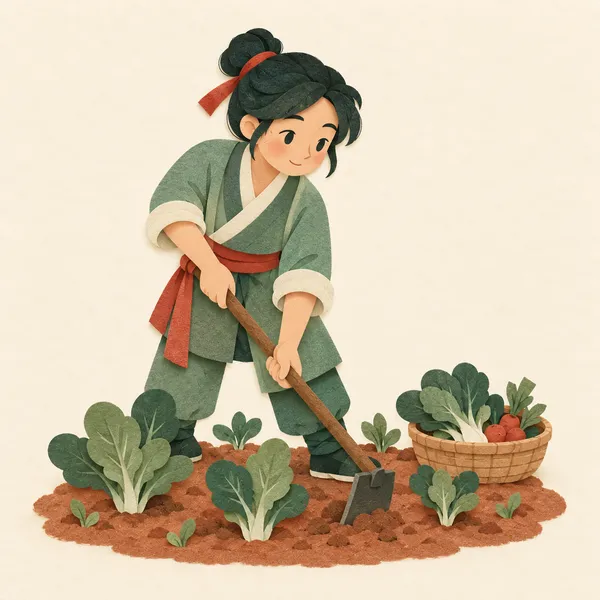 自力更生 zì lì gēng shēng
Literally: live by one's own strength
self-reliance
我们要自力更生。
Wǒmen yào zìlìgēngshēng.
We must rely on ourselves. -
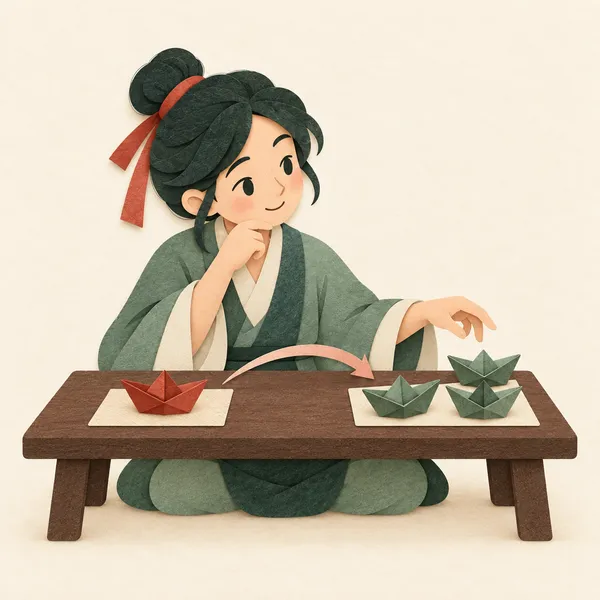 举一反三 jǔ yī fǎn sān
Literally: from one, infer three
to learn by analogy, draw inferences
学习要学会举一反三。
Xuéxí yào xuéhuì jǔyìfǎnsān.
In studying, learn to generalise from one example. -
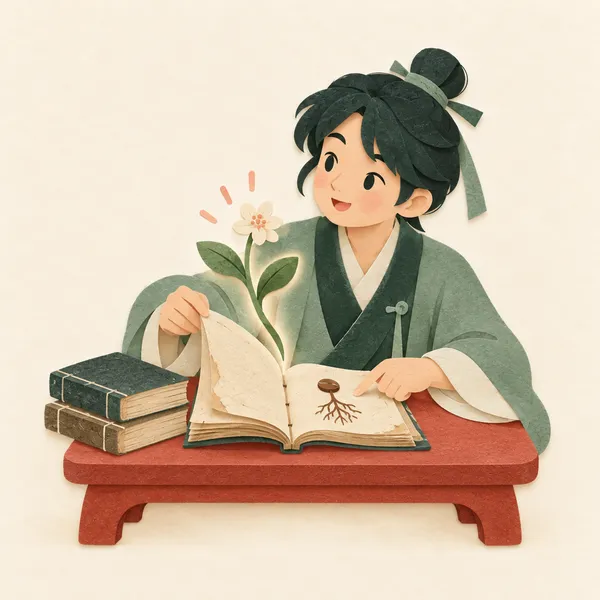 温故知新 wēn gù zhī xīn
Literally: review the old to know the new
to gain new insights from old knowledge
复习旧课可以温故知新。
Fùxí jiù kè kěyǐ wēngùzhīxīn.
Reviewing old lessons brings new insight. -
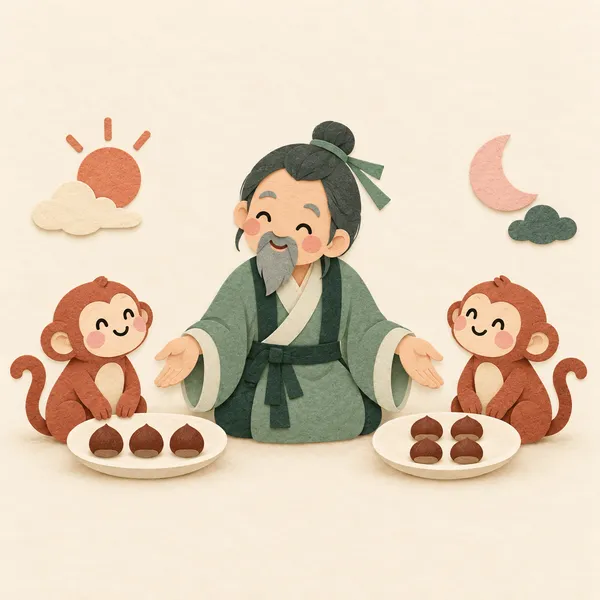 朝三暮四 zhāo sān mù sì
Literally: three in the morning, four in the evening
fickle, changing one's mind all the time
他做事朝三暮四。
Tā zuòshì zhāosānmùsì.
He's fickle in everything he does. -
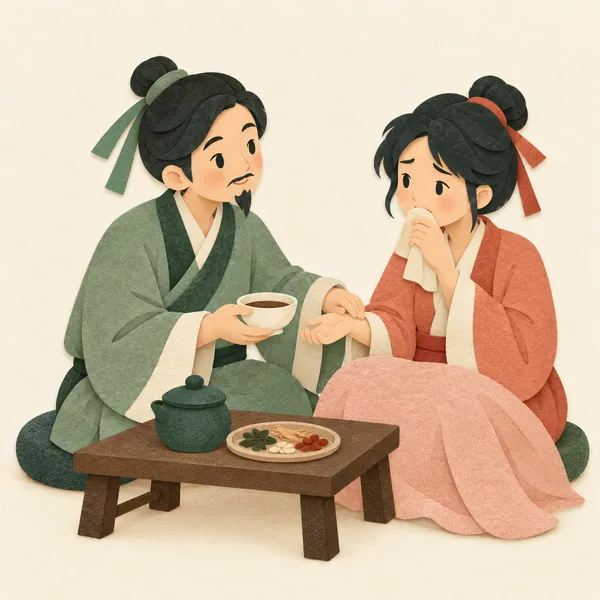 对症下药 duì zhèng xià yào
Literally: give the medicine that fits the illness
to apply the right remedy
要对症下药才有用。
Yào duìzhèngxiàyào cái yǒuyòng.
Only the right remedy will work. -
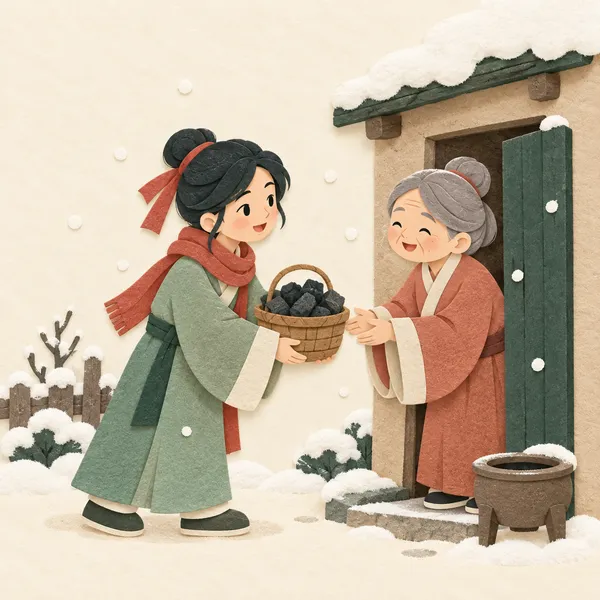 雪中送炭 xuě zhōng sòng tàn
Literally: send charcoal in the snow
to help in time of need
你的帮助是雪中送炭。
Nǐ de bāngzhù shì xuězhōngsòngtàn.
Your help came just when it was needed. -
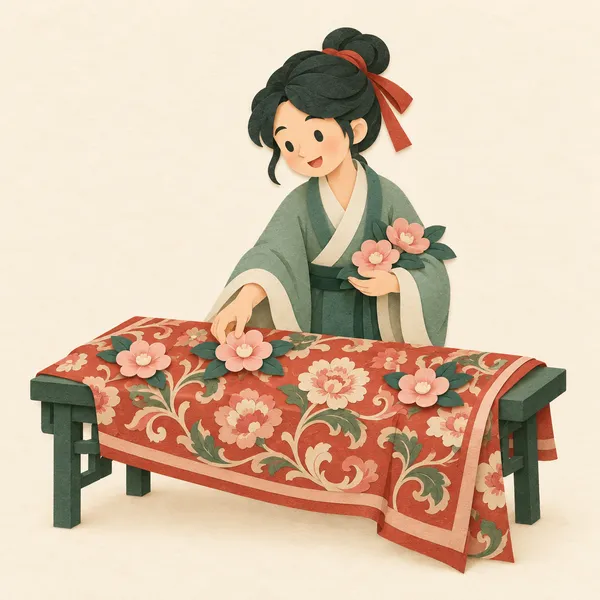 锦上添花 jǐn shàng tiān huā
Literally: add flowers to brocade
the icing on the cake
这笔奖金是锦上添花。
Zhè bǐ jiǎngjīn shì jǐnshàngtiānhuā.
This bonus is the icing on the cake. -
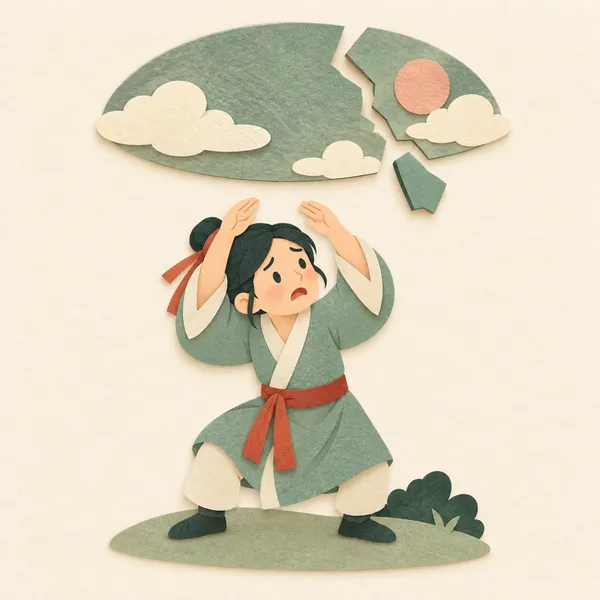 杞人忧天 qǐ rén yōu tiān
Literally: the man of Qi fears the sky will fall
groundless worries
别担心,不要杞人忧天。
Bié dānxīn, bú yào qǐrényōutiān.
Don't worry over nothing. -
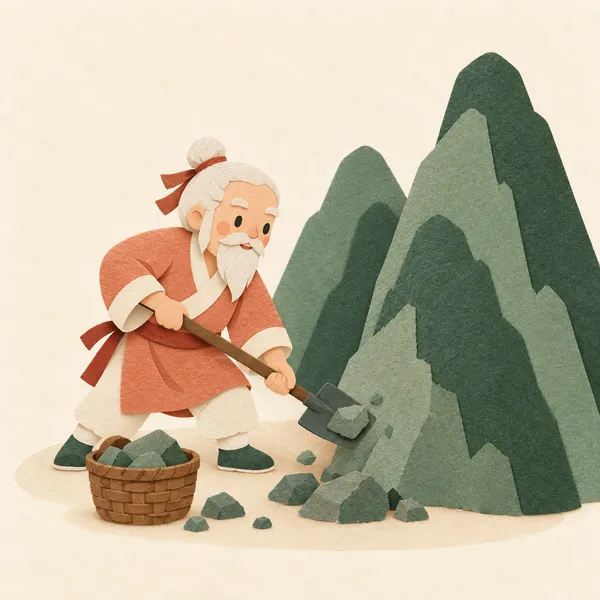 愚公移山 yú gōng yí shān
Literally: the foolish old man moves the mountain
perseverance that moves mountains
学汉语需要愚公移山的精神。
Xué hànyǔ xūyào yúgōngyíshān de jīngshén.
Learning Chinese takes a never-give-up spirit. -
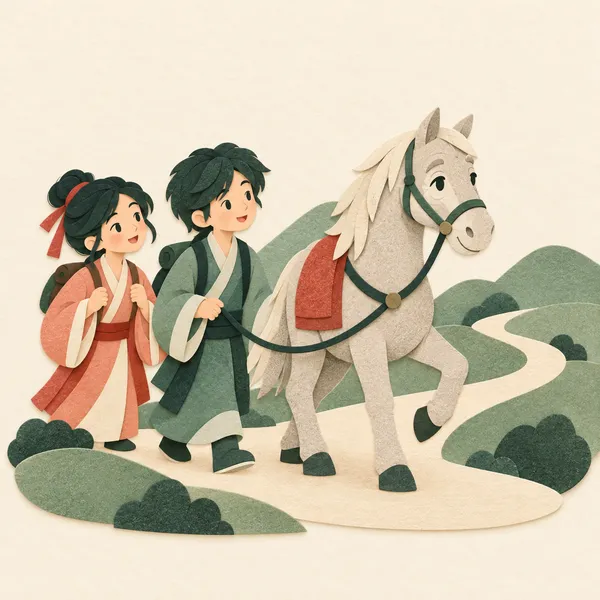 老马识途 lǎo mǎ shí tú
Literally: the old horse knows the way
experience knows the way
他是老马识途,听他的。
Tā shì lǎomǎshítú, tīng tā de.
He knows the ropes, so listen to him. -
 顺其自然 shùn qí zì rán
Literally: follow its natural course
to let things take their course
结果如何,顺其自然吧。
Jiéguǒ rúhé, shùnqízìrán ba.
Let's see what happens.
Questions and answers
What is a chengyu?
A set phrase of four characters, often from an old fable or poem: 守株待兔 “guard the stump, waiting for a hare” — to hope for luck instead of working. There are thousands; a few hundred are in everyday use.
Do chengyu come up in the HSK?
From HSK 4–5 they appear in texts and questions, and from HSK 6 all the time. Start with the most common ones, like those here.
How should I learn chengyu?
With their story and an example: it makes the meaning stick, since it rarely matches the literal words. Say them aloud — four toned syllables are good speaking practice.
More tools
- Chinese characters to pinyinChinese text → pinyin with tone marks or numbers
- Pinyin chart with audioEvery syllable in four tones, recorded by a native speaker
- Chinese tone testHear and say: a score for each tone in 2 minutes
- Chinese numbersCount 1–100 with audio, any number in characters
- Chinese radicals214 radicals: meaning, forms, stroke order, examples
- Simplified ↔ traditional Chinese简体 ↔ 繁體, converted word by word
- Countries and cities in ChineseRussia, China, the US and 130 more names, with audio
- Most common Chinese surnamesTop 100: Wang, Li, Zhang — meaning and sound