1. Inicio
  2. HSK 2
  3. Números y cantidades

不够

búgòu

no suficiente; insuficiente

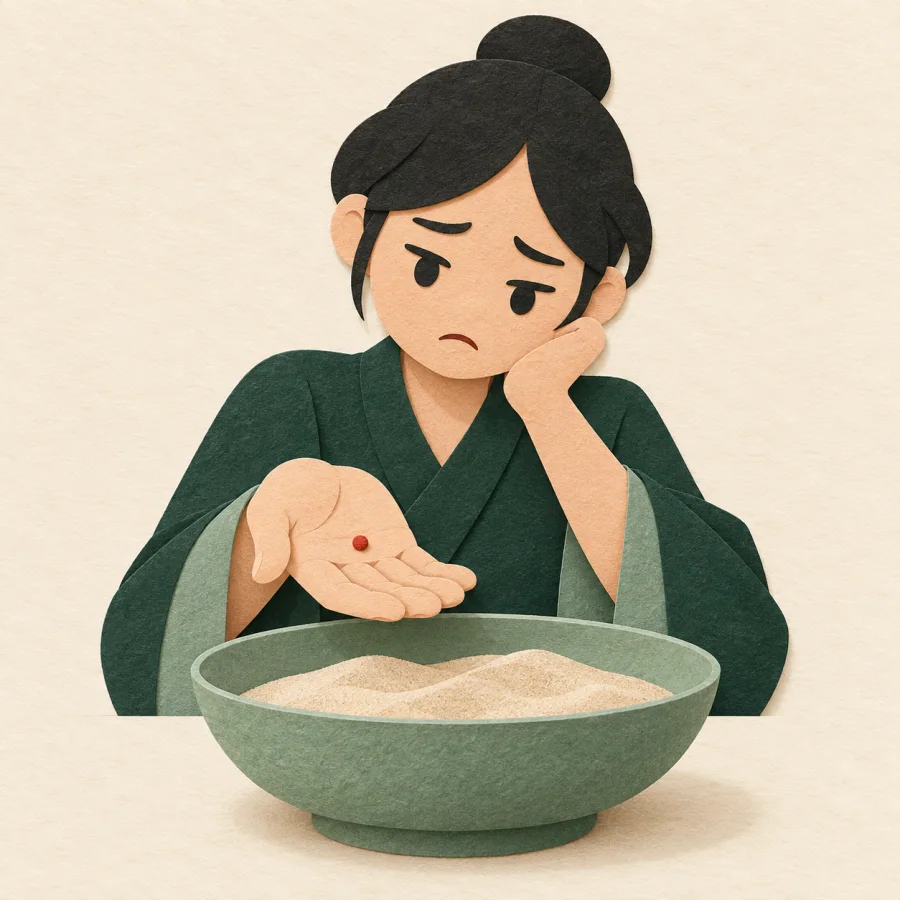
Una persona metiendo la mano en un cuenco vacío
Imagen para recordar

Caracteres de esta palabra

不 bù

Trazos
4
Radical
一 — uno
Cómo está formado
Ideograma: el significado surge de unir sus partes

够 gòu

Trazos
11
Radical
夕 — atardecer
Se compone de
句 frase 多 mucho
Cómo está formado
Fonosemántico: una parte sugiere el sentido y otra el sonido

Frases de ejemplo

  • 钱不够。 Qián búgòu. No hay suficiente dinero.
  • 时间不够。 Shíjiān búgòu. No hay suficiente tiempo.
  • 这些菜不够。 Zhèxiē cài búgòu. Estos platos no son suficientes.
  • 这些桌子不够吗? Zhèxiē zhuōzi búgòu ma? ¿No hay suficientes mesas?
  • 半年不够,我要学一年。 Bànnián búgòu, wǒ yào xué yì nián. Medio año no es suficiente; quiero estudiar durante un año.
  • 瓶子里的水不够,我再去买。 Píngzi lǐ de shuǐ búgòu, wǒ zài qù mǎi. No hay suficiente agua en la botella; iré a comprar más.
  • 家里人太多,椅子不够坐。 Jiālǐ rén tài duō, yǐzi búgòu zuò. Hay demasiada gente en casa y no hay sillas suficientes para todos.
  • 他睡得不够,上课很累。 Tā shuì de búgòu, shàngkè hěn lèi. No duerme lo suficiente y está muy cansado en clase.
  • 菜不够,我们再要两个吧。 Cài búgòu, wǒmen zài yào liǎng ge ba. No hay suficiente comida; pidamos dos platos más.
  • 十个包子不够,我还想吃。 Shí ge bāozi búgòu, wǒ hái xiǎng chī. Diez baozi no son suficientes; todavía quiero comer más.

Palabras relacionadas

Todas las palabras de HSK 2 →