分开
fēnkāi
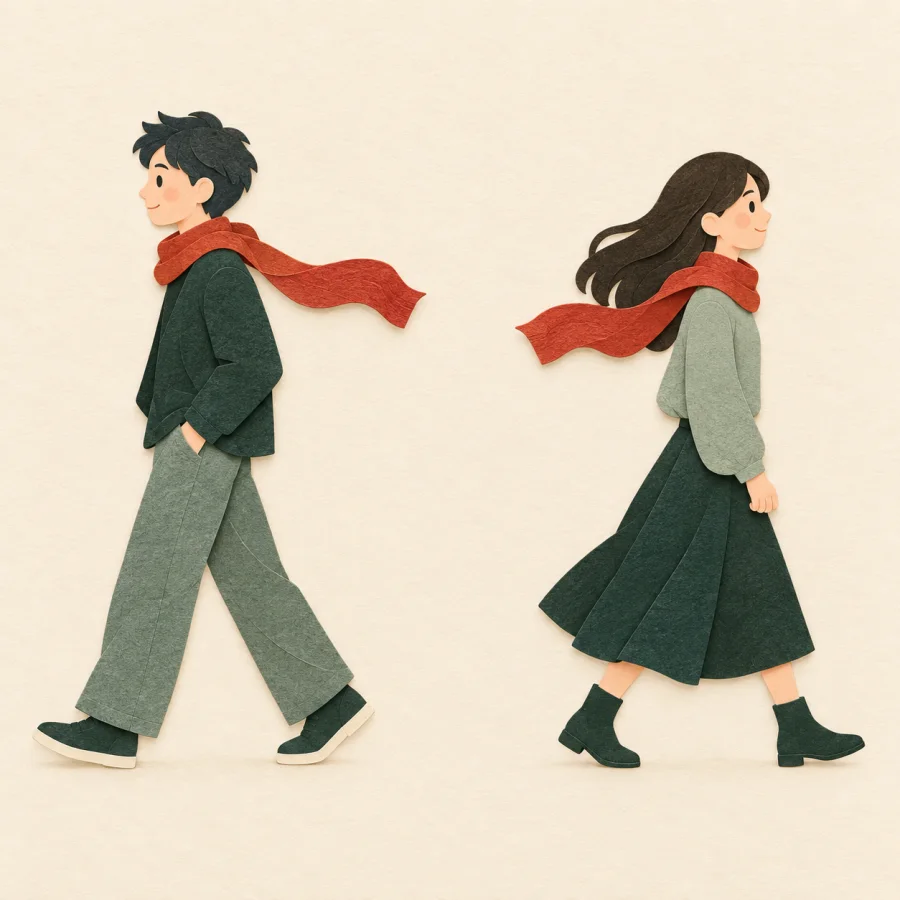
to separate; to part
Characters in this word
开 kāi
- Strokes
- 4
- Radical
- 廾 — two hands
- Made of
- 一 one 廾 two hands
- How it's built
- Ideograph — the meaning is built from its parts
Example phrases
- 我们分开走。 Wǒmen fēnkāi zǒu. We walk separately.
- 请把书分开。 Qǐng bǎ shū fēnkāi. Please separate the books.
- 两个人分开。 Liǎng ge rén fēnkāi. The two people part.
- 下车以后,我们在车站分开。 Xiàchē yǐhòu, wǒmen zài chēzhàn fēnkāi. After getting off, we parted at the station.
- 这两件衣服要分开洗。 Zhè liǎng jiàn yīfu yào fēnkāi xǐ. These two items of clothing need to be washed separately.
- 你们为什么要分开走? Nǐmen wèishénme yào fēnkāi zǒu? Why do you want to walk separately?
- 老师让两个小组分开坐。 Lǎoshī ràng liǎng ge xiǎozǔ fēnkāi zuò. The teacher asked the two groups to sit apart.
- 他们在路口分开了。 Tāmen zài lùkǒu fēnkāi le. They parted at the intersection.
- 王明和李月没有分开。 Wáng Míng hé Lǐ Yuè méiyǒu fēnkāi. Wang Ming and Li Yue didn't part.
- 这两本书要分开。 Zhè liǎng běn shū yào fēnkāi. These two books need to be separated.