1. Home
  2. HSK 2
  3. Feelings and mood

哭

kū

to cry

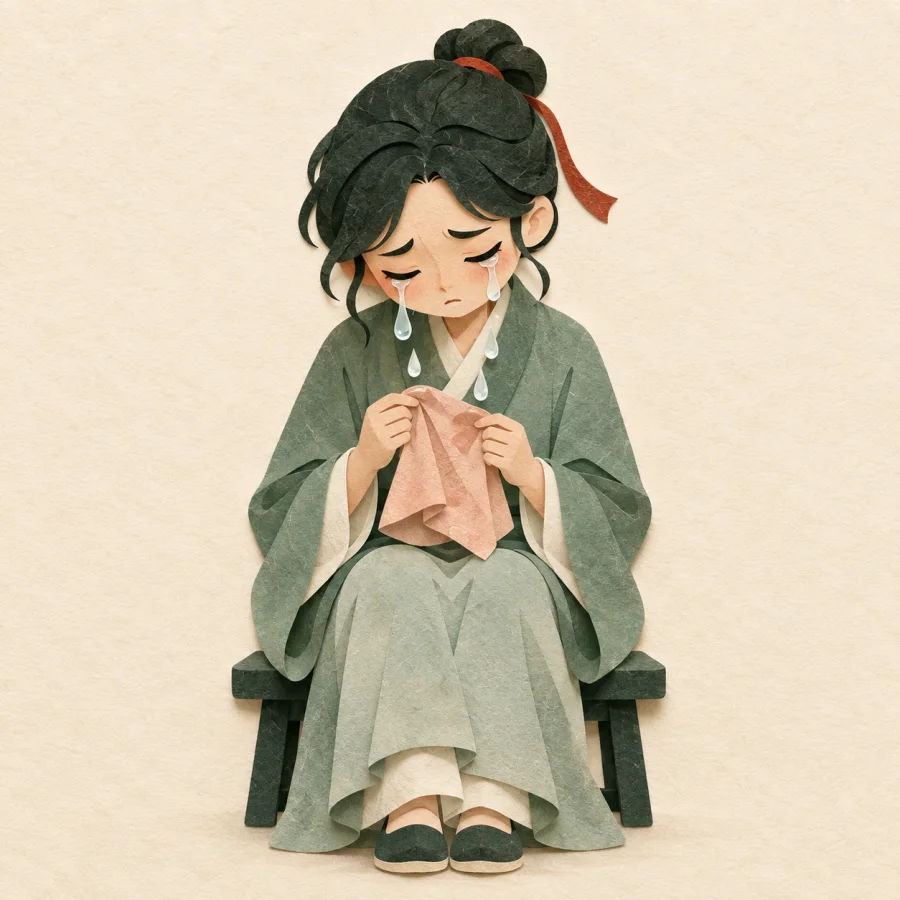
A person crying into a handkerchief
Memory picture

Character

哭 kū

Strokes
10
Radical
口 — mouth
How it's built
Ideograph — the meaning is built from its parts

Example phrases

  • 宝宝在哭。 Bǎobao zài kū. The baby is crying.
  • 你别哭了。 Nǐ bié kū le. Do not cry.
  • 她又哭了。 Tā yòu kū le. She is crying again.
  • 弟弟找不到书就哭。 Dìdi zhǎo bú dào shū jiù kū. My little brother cries when he can't find his book.
  • 老师说她没有哭。 Lǎoshī shuō tā méiyǒu kū. The teacher says she didn't cry.
  • 你为什么在这里哭? Nǐ wèishénme zài zhèlǐ kū? Why are you crying here?
  • 小孩儿饿了就哭。 Xiǎoháir è le jiù kū. The child cries when hungry.
  • 他看了电影以后哭了。 Tā kàn le diànyǐng yǐhòu kū le. He cried after watching the movie.
  • 别哭,我们一起回家。 Bié kū, wǒmen yìqǐ huíjiā. Don't cry; let's go home together.
  • 妹妹听到这句话就哭。 Mèimei tīngdào zhè jù huà jiù kū. My little sister cries when she hears this.

Related words

All HSK 2 words →