1. Home
  2. HSK 3
  3. Adverbs and nuance

往往

wǎngwǎng

often

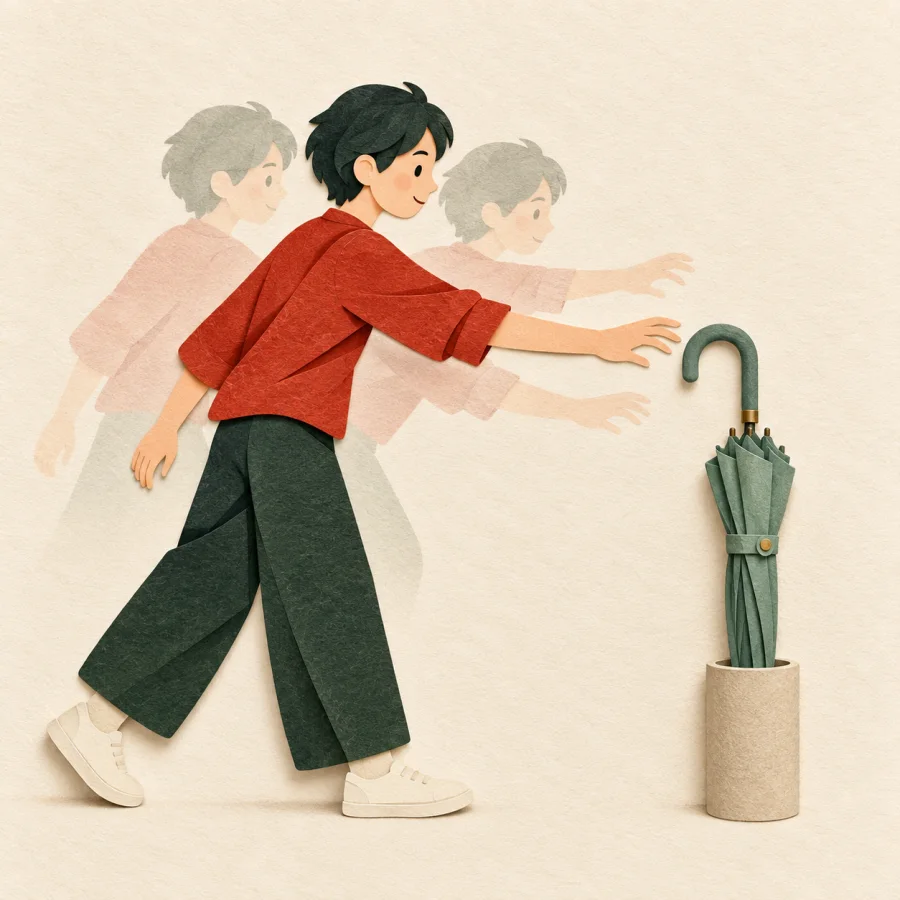
A person reaching for an umbrella
Memory picture

Character

往 wǎng

Strokes
8
Radical
彳 — to step with the left foot
How it's built
Phono-semantic — one part hints at the meaning, another at the sound

Example phrases

  • 他往往迟到。 Tā wǎngwǎng chídào. He often arrives late.
  • 周末往往忙。 Zhōumò wǎngwǎng máng. Weekends are often busy.
  • 孩子往往爱玩。 Háizi wǎngwǎng ài wán. Children often love to play.
  • 他往往先吃饭,再学习。 Tā wǎngwǎng xiān chīfàn, zài xuéxí. He often eats first and studies afterward.
  • 早上这里往往没有人。 Zǎoshang zhèlǐ wǎngwǎng méiyǒu rén. There is often no one here in the morning.
  • 老师往往先听学生说。 Lǎoshī wǎngwǎng xiān tīng xuésheng shuō. The teacher often listens to the students first.
  • 冬天北方往往很冷。 Dōngtiān běifāng wǎngwǎng hěn lěng. It's often very cold in the north in winter.
  • 她往往在图书馆看书。 Tā wǎngwǎng zài túshūguǎn kàn shū. She often reads in the library.
  • 这个时候商店往往关门。 Zhège shíhou shāngdiàn wǎngwǎng guānmén. The shops are often closed at this time.
  • 有问题时,他往往先问老师。 Yǒu wèntí shí, tā wǎngwǎng xiān wèn lǎoshī. When he has a question, he often asks the teacher first.

Related words

All HSK 3 words →