鲜
xiān
fresh; savory
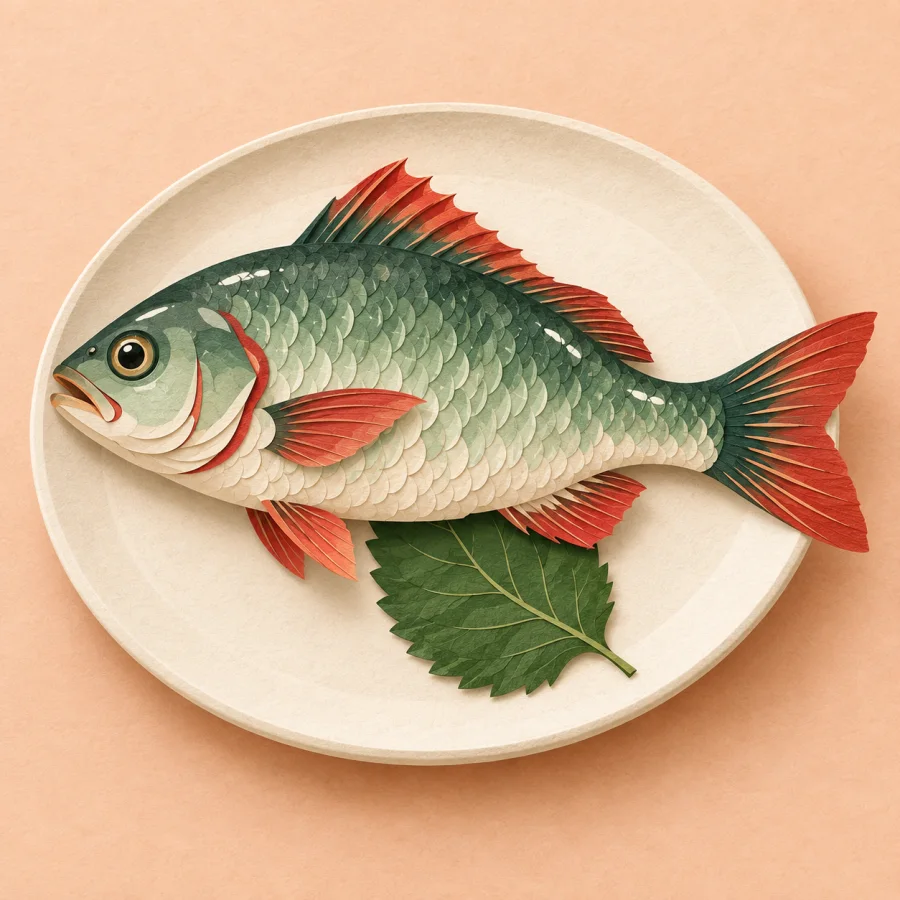
Character
Example phrases
- 鱼很鲜。 Yú hěn xiān. The fish is very fresh.
- 这菜很鲜。 Zhè cài hěn xiān. This dish tastes very fresh.
- 汤味很鲜。 Tāng wèi hěn xiān. The soup tastes very savory.
- 妈妈买了鲜鱼和白菜。 Māma mǎi le xiān yú hé báicài. Mom bought fresh fish and Chinese cabbage.
- 这汤不够鲜,还要加菜吗? Zhè tāng bú gòu xiān, hái yào jiā cài ma? This soup isn't savory enough. Should we add more vegetables?
- 请问哪种鱼比较鲜? Qǐngwèn nǎ zhǒng yú bǐjiào xiān? Which kind of fish is fresher?
- 鱼不鲜了,别做给客人吃。 Yú bù xiān le, bié zuò gěi kèrén chī. The fish isn't fresh anymore; don't cook it for the guests.
- 新鲜的菜味道特别鲜。 Xīnxiān de cài wèidào tèbié xiān. Fresh vegetables have a particularly savory taste.
- 爸爸说这碗汤真鲜。 Bàba shuō zhè wǎn tāng zhēn xiān. Dad says this soup tastes really good.
- 你觉得这盘菜鲜不鲜? Nǐ juéde zhè pán cài xiān bu xiān? Do you think this dish tastes savory?
Related words
- 海鲜 hǎixiān seafood
- 鲜花 xiānhuā fresh flowers
- 鲜明 xiānmíng clear; distinct
- 新鲜 xīnxiān fresh
- 鲜艳 xiānyàn bright; vivid
- 保鲜 bǎoxiān to keep fresh; freshness preservation
- 鲜活 xiānhuó fresh and lively; vivid
- 鲜美 xiānměi delicious; fresh and tasty
- 鲜血 xiānxuè fresh blood; blood
- 鲜为人知 xiǎnwéirénzhī little known; rarely known
- 淡 dàn weak; bland
- 味儿 wèir taste; smell