1. Home
  2. HSK 4
  3. Food and taste

淡

dàn

weak; bland

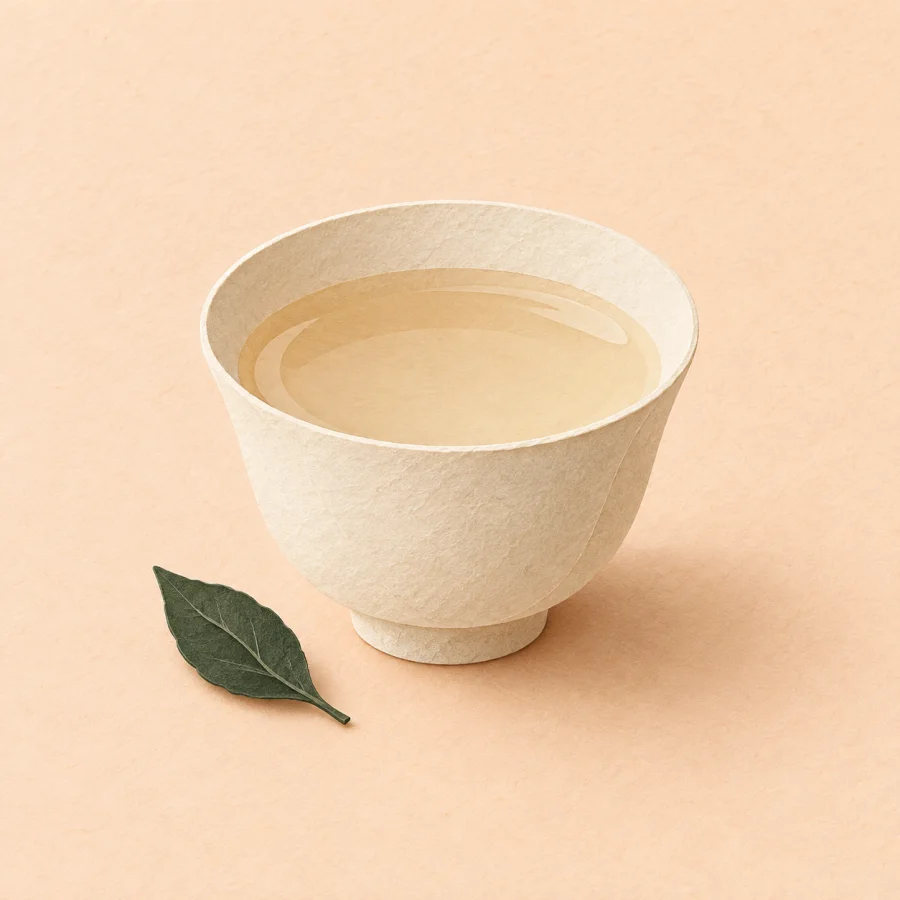
A cup of pale tea
Memory picture

Character

淡 dàn

Strokes
11
Radical
氵 — water
Made of
氵 water 炎 flame, blaze
How it's built
Phono-semantic — one part hints at the meaning, another at the sound

Example phrases

  • 茶有点淡。 Chá yǒudiǎn dàn. The tea is a little weak.
  • 味道太淡。 Wèidào tài dàn. The taste is too bland.
  • 这汤很淡。 Zhè tāng hěn dàn. This soup is very bland.
  • 这杯茶太淡了,再放些茶叶吧。 Zhè bēi chá tài dàn le, zài fàng xiē cháyè ba. This tea is too weak; add some more tea leaves.
  • 汤里少放点儿水,就不会淡了。 Tāng lǐ shǎo fàng diǎnr shuǐ, jiù bú huì dàn le. Add a little less water to the soup, and it won't be bland.
  • 这碗面味道不淡也不咸。 Zhè wǎn miàn wèidào bú dàn yě bù xián. These noodles are neither bland nor salty.
  • 你觉得今天的茶淡吗? Nǐ juéde jīntiān de chá dàn ma? Do you think today's tea is weak?
  • 加一点盐,汤就不淡了。 Jiā yìdiǎn yán, tāng jiù bú dàn le. Add a little salt, and the soup won't be bland.
  • 李月喜欢淡一点儿的菜。 Lǐ Yuè xǐhuan dàn yìdiǎnr de cài. Li Yue likes food that's a little more lightly seasoned.
  • 妈妈做的菜味道有点淡。 Māma zuò de cài wèidào yǒudiǎn dàn. The dish Mom made tastes a little bland.

Related words

All HSK 4 words →