辈
bèi
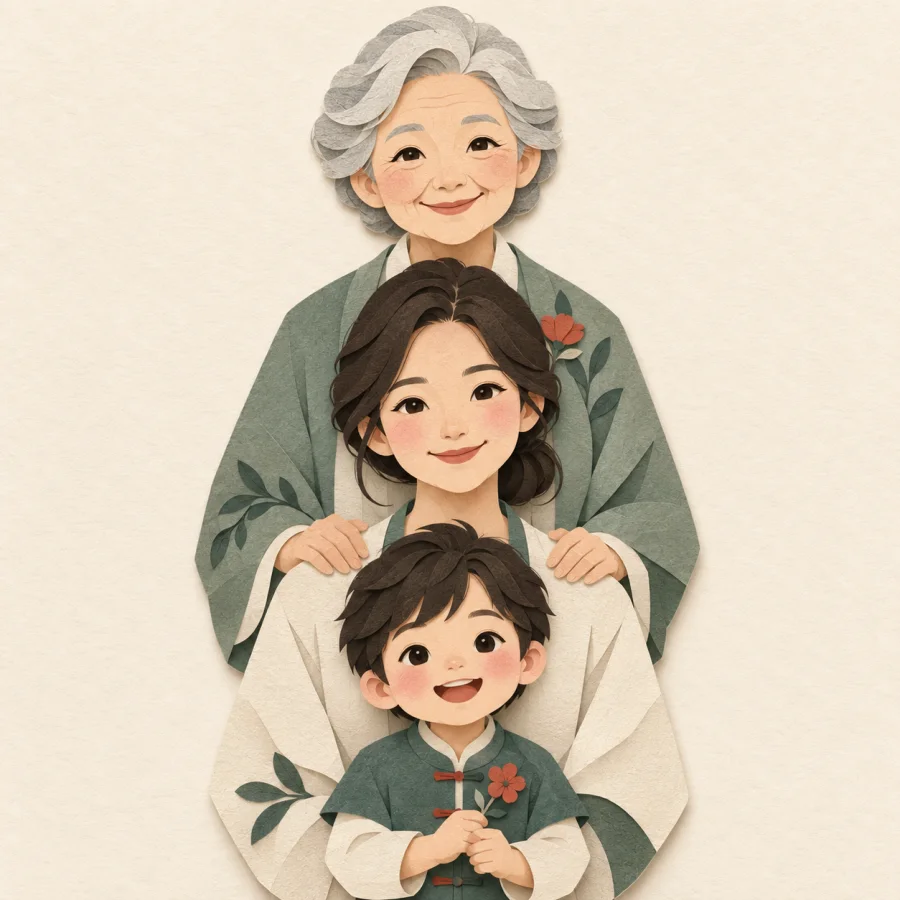
generation
Character
Example phrases
- 我和他同辈。 Wǒ hé tā tóngbèi. He and I are the same generation.
- 老一辈来了。 Lǎo yí bèi lái le. The older generation has come.
- 年轻一辈爱玩。 Niánqīng yí bèi ài wán. The younger generation loves to have fun.
- 我们这一辈都喜欢听歌。 Wǒmen zhè yí bèi dōu xǐhuan tīng gē. Everyone in our generation likes listening to songs.
- 老一辈常常早起做饭。 Lǎo yí bèi chángcháng zǎoqǐ zuòfàn. The older generation often gets up early to cook.
- 年轻一辈更喜欢上网。 Niánqīng yí bèi gèng xǐhuan shàngwǎng. The younger generation likes going online more.
- 这一辈人小时候没有手机。 Zhè yí bèi rén xiǎoshíhou méiyǒu shǒujī. People of this generation didn't have mobile phones as children.
- 你觉得哪一辈更爱旅行? Nǐ juéde nǎ yí bèi gèng ài lǚxíng? Which generation do you think likes traveling more?
- 两辈人住在一个家里。 Liǎng bèi rén zhù zài yí ge jiā lǐ. Two generations live in one home.
- 老一辈也会用电脑。 Lǎo yí bèi yě huì yòng diànnǎo. The older generation can use computers too.
Related words
- 一辈子 yíbèizi a whole lifetime
- 长辈 zhǎngbèi elder generation
- 前辈 qiánbèi senior; elder; predecessor
- 社 shè society; club
- 私人 sīrén private; personal
- 群体 qúntǐ group
- 国民 guómín citizen
- 群众 qúnzhòng the masses; the people
- 国籍 guójí nationality; citizenship
- 人士 rénshì representative; person from a group
- 全世界 quán shìjiè the whole world
- 上下 shàngxià up and down