1. Home
  2. HSK 5
  3. Traits and suitability

被动

bèidòng

passive

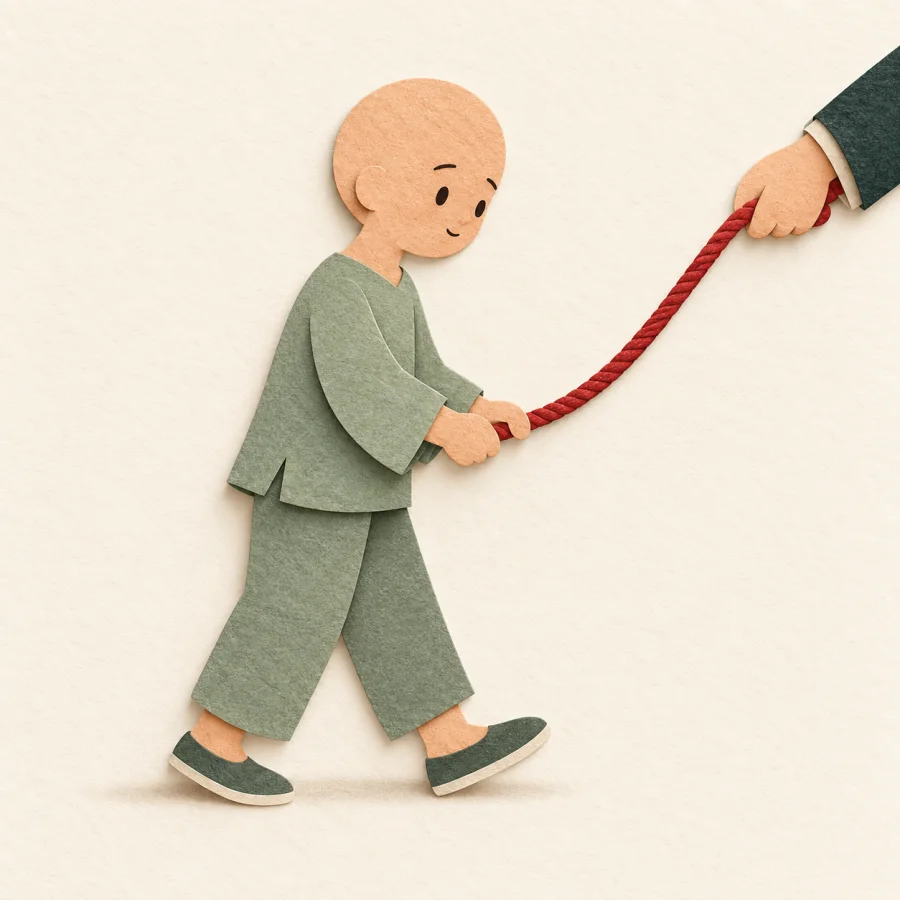
A person being pulled along
Memory picture

Characters in this word

被 bèi

Strokes
10
Radical
衤 — cloth
Made of
衤 cloth 皮 skin, hide, fur, feathers
How it's built
Phono-semantic — one part hints at the meaning, another at the sound

动 dòng

Strokes
6
Radical
力 — strength, power
Made of
云 cloud 力 strength, power
How it's built
Phono-semantic — one part hints at the meaning, another at the sound

Example phrases

  • 他很被动。 Tā hěn bèidòng. He is very passive.
  • 不要被动。 Bú yào bèidòng. Do not be passive.
  • 我太被动了。 Wǒ tài bèidòng le. I am too passive.
  • 学习新词不能太被动。 Xuéxí xīncí bù néng tài bèidòng. You can't be too passive when learning new words.
  • 她不喜欢被动地等消息。 Tā bù xǐhuan bèidòng de děng xiāoxi. She doesn't like passively waiting for news.
  • 你为什么在工作中这么被动? Nǐ wèishénme zài gōngzuò zhōng zhème bèidòng? Why are you so passive at work?
  • 遇到困难时别太被动。 Yùdào kùnnan shí bié tài bèidòng. Don't be too passive when you run into difficulties.
  • 他在朋友面前显得有些被动。 Tā zài péngyou miànqián xiǎnde yǒuxiē bèidòng. He seems a little passive around his friends.
  • 如果一直被动事情会更难办。 Rúguǒ yìzhí bèidòng shìqing huì gèng nán bàn. If you stay passive, things will be even harder to deal with.
  • 开会的时候他总是很被动。 Kāihuì de shíhou tā zǒngshì hěn bèidòng. He is always passive during meetings.

Related words

All HSK 5 words →