1. Home
  2. HSK 5
  3. Arts and stage

悲剧

bēijù

tragedy

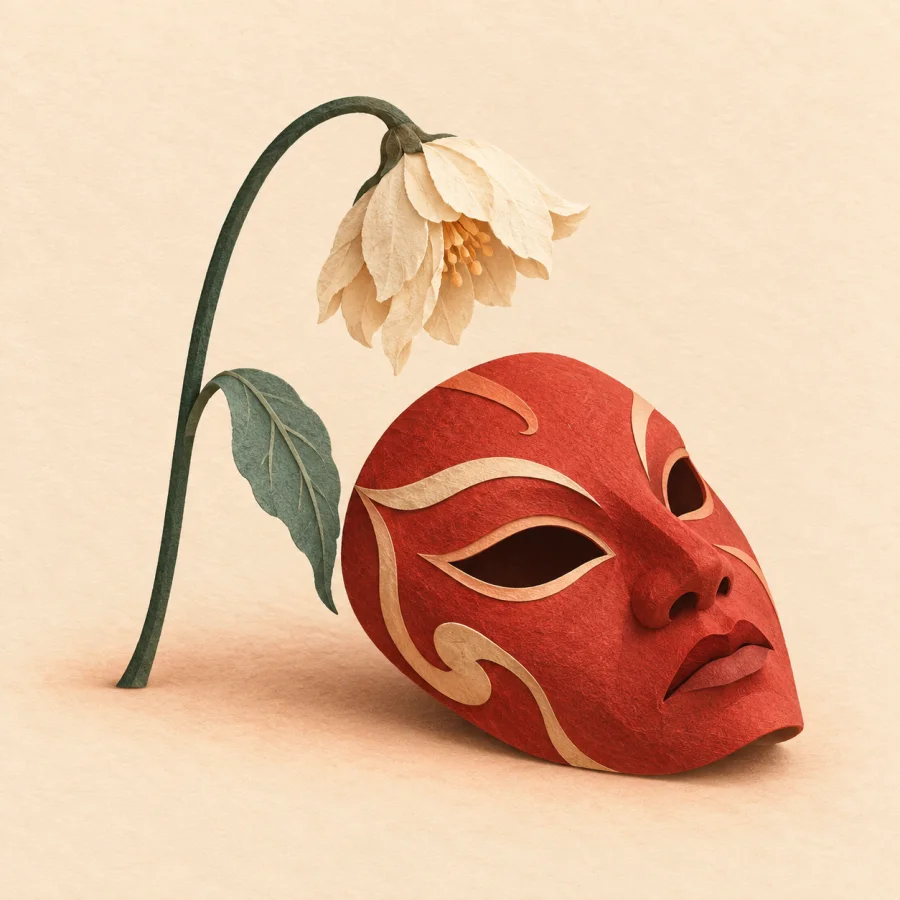
A fallen theater mask and flower
Memory picture

Characters in this word

悲 bēi

Strokes
12
Radical
心 — heart
Made of
非 not, negative, non- 心 heart
How it's built
Phono-semantic — one part hints at the meaning, another at the sound
More about the character 悲

剧 jù

Strokes
10
Radical
刂 — knife
Made of
居 to live, to reside 刂 knife
How it's built
Phono-semantic — one part hints at the meaning, another at the sound
More about the character 剧

Example phrases

  • 这是悲剧。 Zhè shì bēijù. This is a tragedy.
  • 电影是悲剧。 Diànyǐng shì bēijù. The movie is a tragedy.
  • 别看悲剧了。 Bié kàn bēijù le. Do not watch tragedies anymore.
  • 故事里的悲剧让大家难过。 Gùshi lǐ de bēijù ràng dàjiā nánguò. The tragedy in the story made everyone sad.
  • 他不喜欢看悲剧,喜欢喜剧。 Tā bù xǐhuan kàn bēijù, xǐhuan xǐjù. He doesn't like tragedies; he prefers comedies.
  • 老师让我们讨论这场悲剧。 Lǎoshī ràng wǒmen tǎolùn zhè chǎng bēijù. The teacher asked us to discuss this tragedy.
  • 这场悲剧让她记了很多年。 Zhè chǎng bēijù ràng tā jì le hěn duō nián. She remembered this tragedy for many years.
  • 这个故事为什么变成了悲剧? Zhège gùshi wèishénme biànchéng le bēijù? Why did this story turn into a tragedy?
  • 悲剧的结局让大家很难过。 Bēijù de jiéjú ràng dàjiā hěn nánguò. The tragic ending made everyone sad.
  • 你看过这部悲剧吗? Nǐ kànguo zhè bù bēijù ma? Have you seen this tragedy?

Related words

All HSK 5 words →