嗅觉
xiùjué
sense of smell
Characters in this word
觉 jué
- Strokes
- 9
- Radical
- 见 — to see, to observe, to meet, to appear
- Made of
- ⺍ sprouts 冖 cover 见 to see, to observe, to meet, to appear
- How it's built
- Phono-semantic — one part hints at the meaning, another at the sound
Example phrases
- 对许多动物而言,嗅觉不仅用于寻找食物,也是判断领地边界的重要依据。 Duì xǔduō dòngwù ér yán, xiùjué bùjǐn yòng yú xúnzhǎo shíwù, yě shì pànduàn lǐngdì biānjiè de zhòngyào yījù. For many animals, smell is used not only to find food, but also as an important basis for judging territorial boundaries.
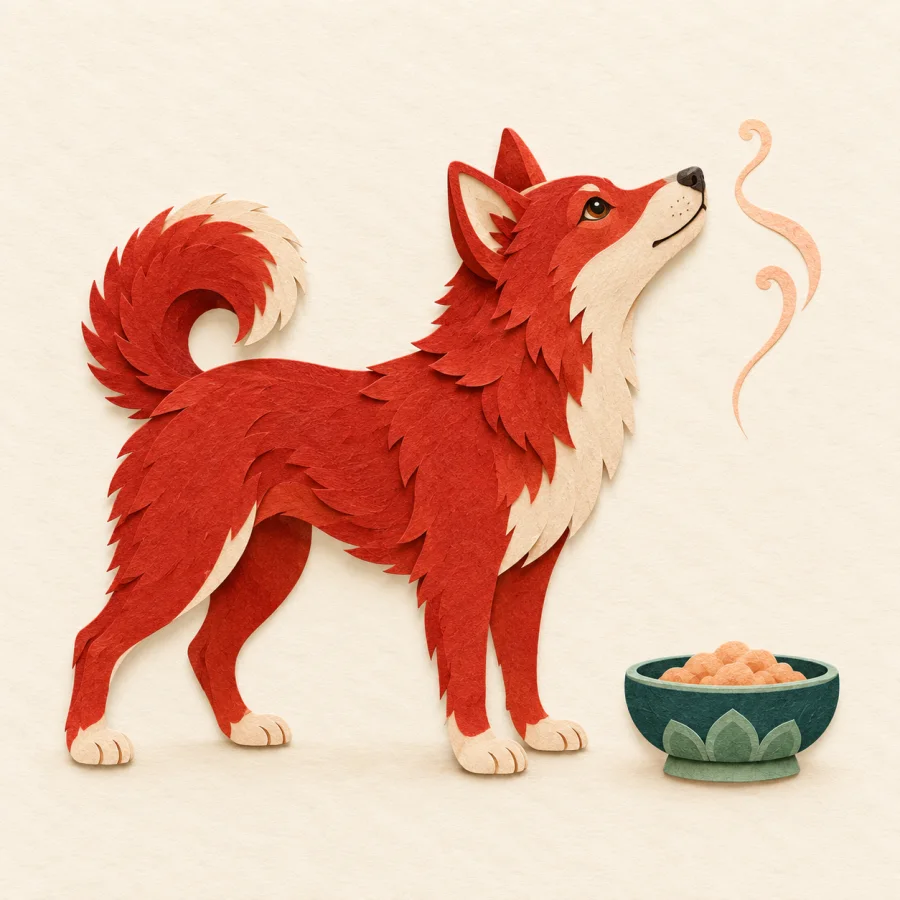
- 狗的嗅觉非常灵敏,能分辨成千上万种气味。 Gǒu de xiùjué fēicháng língmǐn, néng fēnbiàn chéng qiān shàng wàn zhǒng qìwèi. A dog's sense of smell is extremely keen and can distinguish thousands of odors.
- 感冒以后,他的嗅觉明显下降了。 Gǎnmào yǐhòu, tā de xiùjué míngxiǎn xiàjiàng le. After catching a cold, his sense of smell noticeably declined.
Related words
- 嗅 xiù to smell; to sniff
- 觉得 juéde to think, to feel
- 睡觉 shuìjiào to sleep, to go to bed
- 感觉 gǎnjué to feel; feeling
- 自觉 zìjué self-disciplined
- 发觉 fājué to notice; to discover
- 视觉 shìjué vision
- 听觉 tīngjué sense of hearing
- 味觉 wèijué sense of taste
- 不知不觉 bùzhībùjué without realising it; unconsciously
- 察觉 chájué to perceive; to become aware of
- 触觉 chùjué sense of touch; tactile perception